 Chinese
 English
 Russian
Jining Xinghang Machinery Electric Loader Maintenance & Care Guide
— Essential Practices to Extend Equipment Life and Ensure Operational Safety
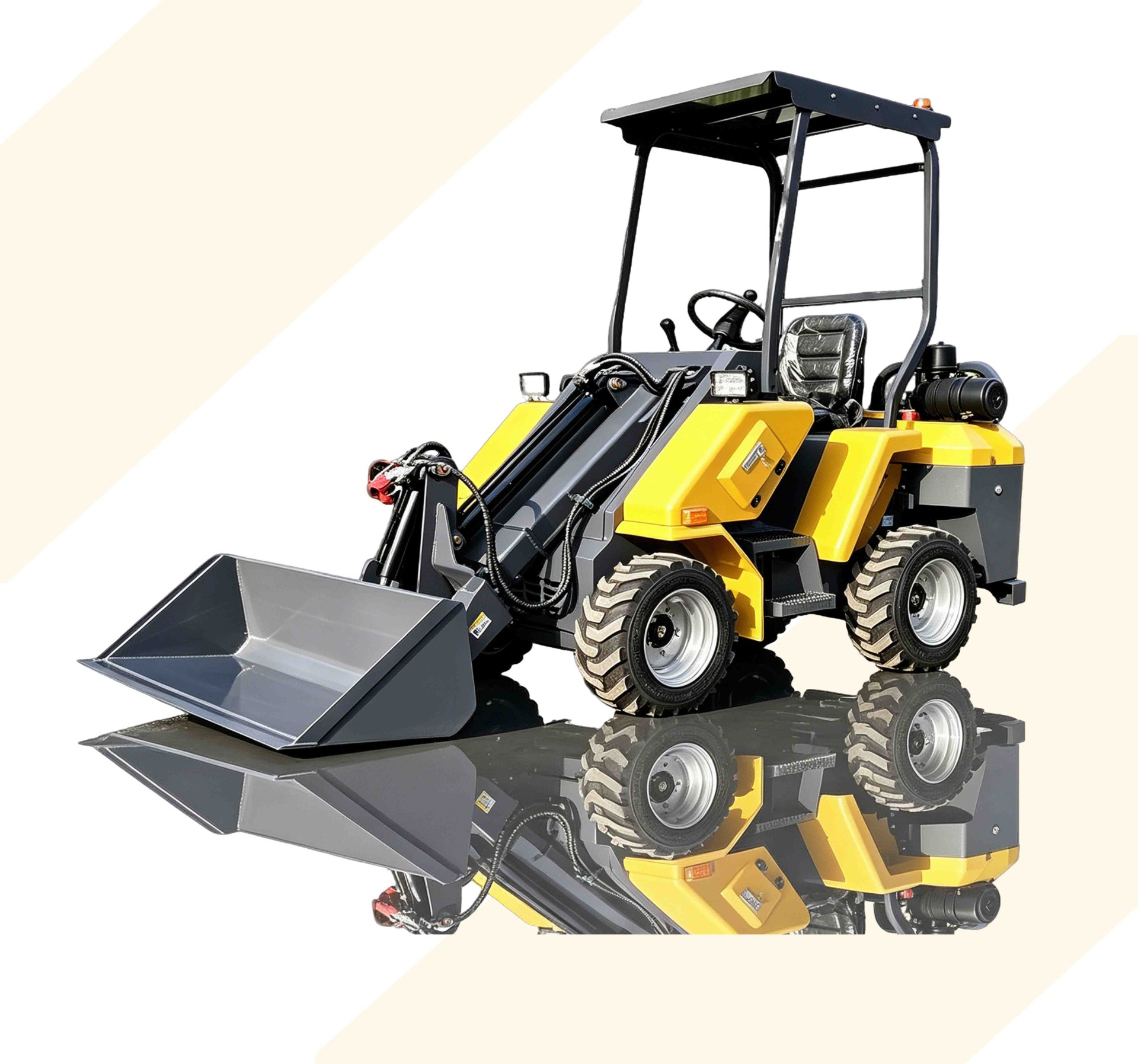
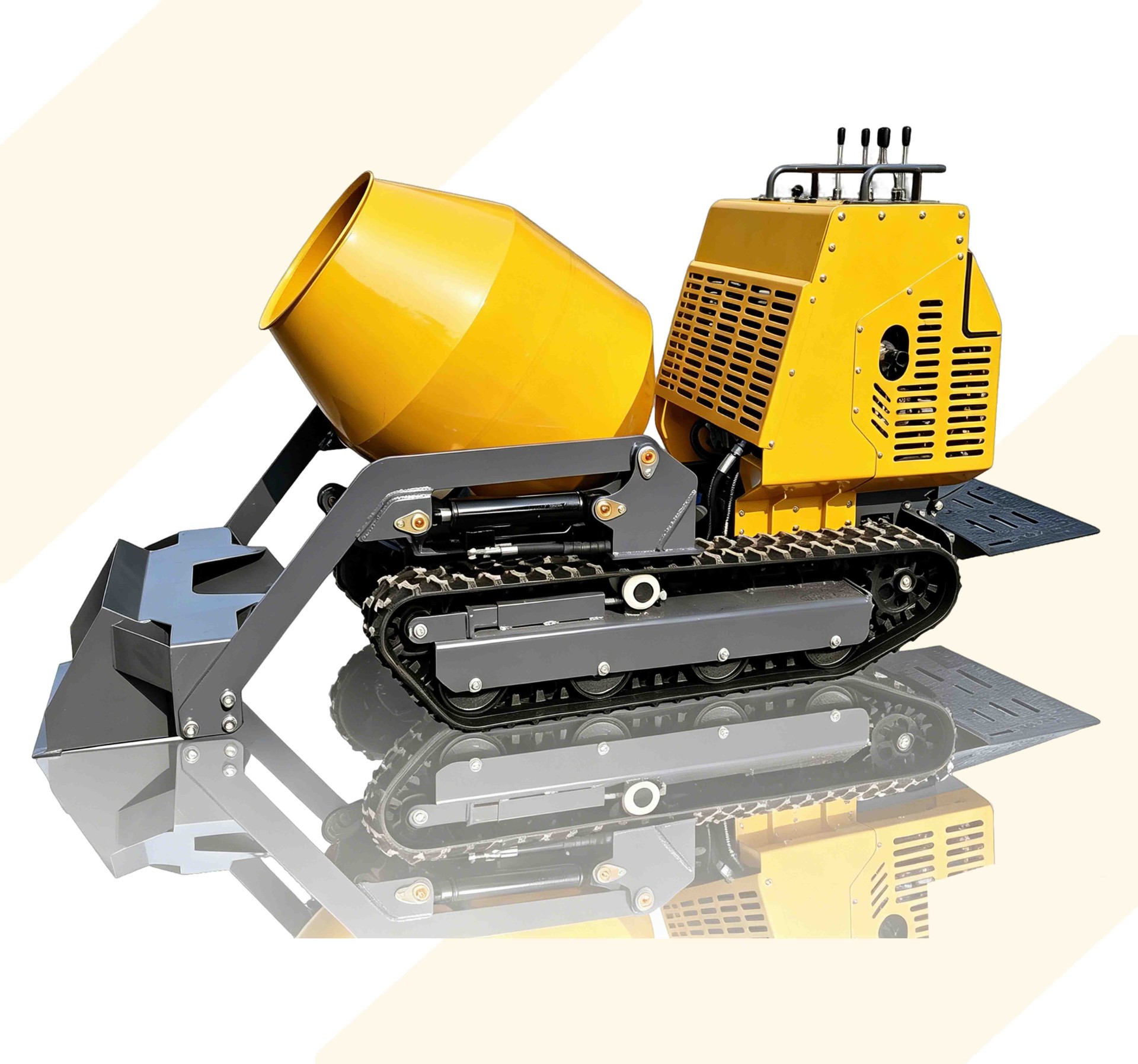
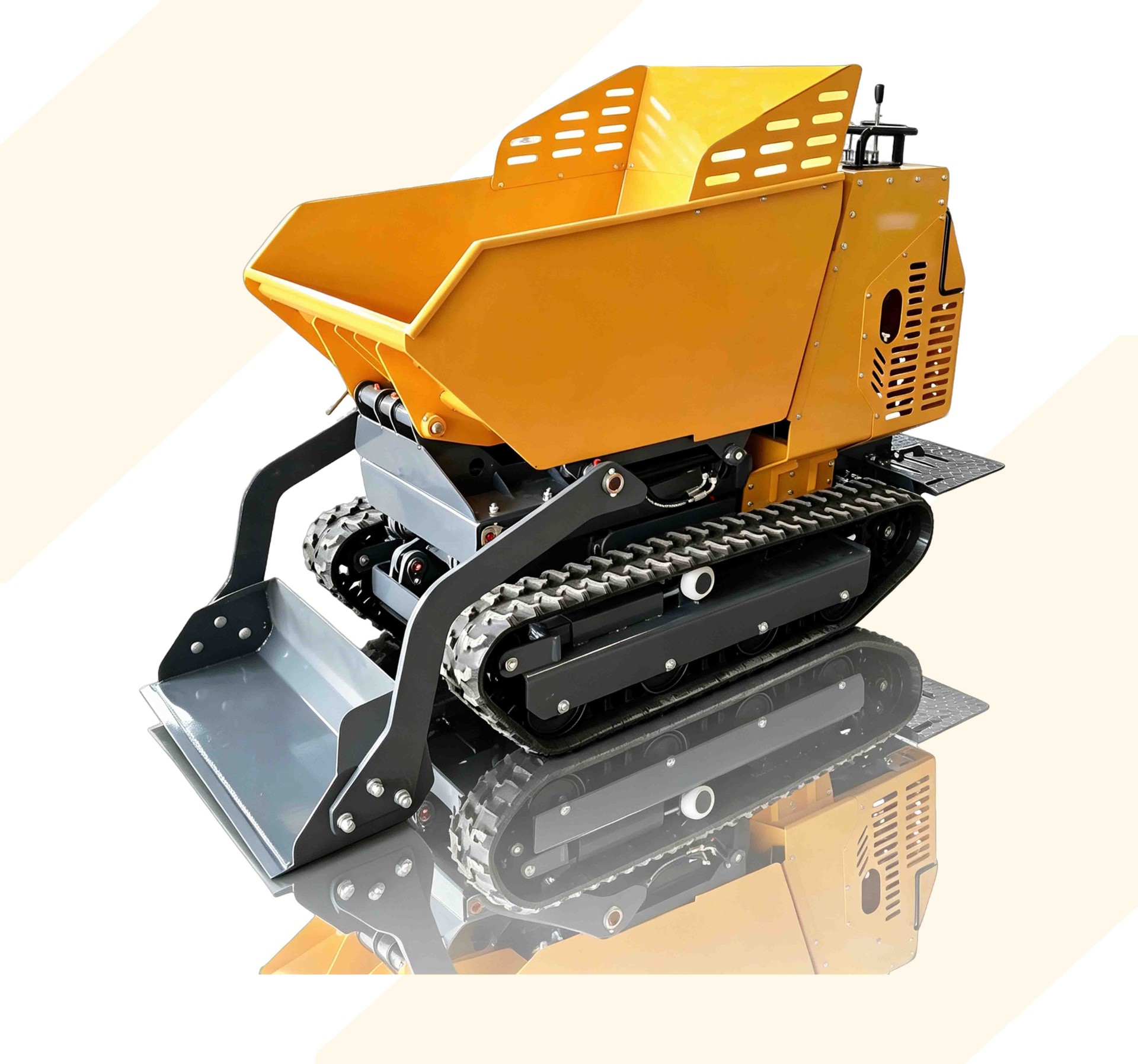
Proper operation and regular maintenance are the keys to keeping your Jining Xinghang Machinery compact electric/lithium-ion loader (XHD50 / XHDL50 series) performing reliably with minimal downtime. This guide is compiled from the Official Maintenance Manualand summarizes safety red lines, daily checks, scheduled maintenance, and special working condition precautions for equipment managers and operators.
I. Safety Red Lines for Electric Loaders (Must Follow)
Small electric loaders are equipped with high-voltage battery systems. Strictly observe the following safety prohibitions:
Never wash the machine with a high-pressure water gun, especially around the controller, travel/lift motors, battery pack, wiring harnesses, connectors, and instruments.
Do not disassemble or modify high-voltage components (battery, motors, controller, HV cables). Contact Xinghang after-sales professionals for any faults.
Observe all safety warning labels and yellow high-voltage warnings on components; avoid touching high-voltage cables and connectors.
Disconnect the main power switch during long-term storage or before maintenance; place a “DO NOT START” warning tag near the start button during servicing.
Washing Tip: Wipe down the machine with a damp cloth only after it has fully cooled. Never spray directly with a pressure washer. After operating in rain, snow, or wet conditions, clean off mud promptly and apply fresh grease to manual lubrication points to prevent rust.
II. Pre-Maintenance Preparation
Before any maintenance work, bring the machine to a safe state:
Park on a firm, level surface; lower the working attachment (bucket) to the ground and center all control levers.
Engage the parking brake and place wheel chocks in front and behind the tires.
Prepare specified-brand oils and genuine spare parts; never mix different brands or types of oil.
Keep filling ports, containers, and funnels clean to prevent water or contaminants from entering the system.
Drain hot oil only after the motor has cooled to 20–40°C to avoid burns and splashing.
III. Recommended Lubricants & Fluids (Xinghang Mini Electric Loader)
Fill Point | Recommended Fluid / Grease |
|---|---|
Drive Axles | Gear Oil (GL-5 80W-90 or per ambient temperature) |
Hydraulic Tank | 46# Anti-wear Hydraulic Oil (HM46) |
All Grease Fittings (Pins, Hinges) | Lithium-Based Grease (NLGI 2# or 3#) |
Brake System | DOT3 Synthetic Brake Fluid |
Always keep the machine level when adding hydraulic oil. Do not remove the hydraulic tank coarse strainer during refilling. Perform oil changes in a clean environment.
IV. Scheduled Maintenance Intervals (Core Content)
Every 10 Hours (Daily Pre- / Post-Shift)
Clean exterior surfaces of dust and mud.
Check all bolts/nuts for looseness or loss, focusing on the bucket, boom, and frame pivot points.
Verify hydraulic oil level and brake fluid level are within specification.
Inspect battery state of charge, wiring harness connectors for looseness or burning.
Check instruments, lights, horn, and control lever operation.
Perform a short test run; watch for hydraulic/brake leaks and abnormal noise.
Test service and parking brakes, and confirm smooth steering.
Every 50 Hours (Includes 10h Items + First Service Additions)
Check and adjust brake pedal free travel.
Grease all grease fittings (frame pivots, boom pins, bucket pins, rear axle oscillation joint).
Tighten front/rear driveshaft bolts, axle mounting bolts, and wheel nuts.
First 50-Hour Special Checks: Inspect hydraulic system for leaks; clean hydraulic tank breather; inspect return filter element; check brake system for leaks and top up brake fluid if needed.
Every 100 Hours (Includes Previous Items)
Clean the hydraulic tank breather and surrounding area.
Every 250 Hours (Includes Previous Items)
Measure and adjust tire pressure (typical reference 0.28–0.32 MPa; follow nameplate spec); inflate if low.
Clean or replace the hydraulic return filter element.
Inspect brake system for leaks or damage.
Check and tighten wheel hub bolts, brake drum, and bearing cover bolts.
Every 500 Hours (Monthly Major Service, Includes Previous Items)
Inspect multi-way valve and cylinders for severe internal leakage (excessive drift requires repair).
Inspect brake master cylinder condition.
Adjust wheel bearing clearance (brake drum face runout < 0.20 mm).
Every 1.000 Hours (Quarterly Major Service, Includes Previous Items)
Replace hydraulic oil, front/rear axle gear oil, and brake fluid; flush lines, tank, and replace filters.
Verify braking performance; bleed or adjust if necessary.
Check front/rear axle final drive gear mesh clearance (spec 0.20–0.34 mm); adjust if abnormal.
Inspect working attachments and frame for deformation or weld cracks.
Every 2.000 Hours (Annual Major Service, Includes Previous Items)
Check front/rear axle differential performance.
Test hydraulic cylinder natural settling rate; inspect multi-way valve and cylinder sealing; measure system working pressure.
Inspect wheel rim welds and all load-bearing joints; correct deformation if found.
Important: These intervals apply to normal working conditions. Under dusty, muddy, heavy-load, or wading conditions, shorten maintenance intervals and increase lubrication/filter change frequency accordingly.
V. Electrical System Maintenance Essentials
Do not remove or add any electrical components without authorization.
In rainy or high-humidity environments, ensure electrical connectors remain sealed; disconnect power immediately if water ingress occurs.
In coastal/salt-spray environments, increase cleaning and anti-corrosion treatment for electrical cabinets and motor heat sinks.
In dusty conditions, regularly clean heat sink fins on travel motors, pump motors, and controllers to prevent overheating.
VI. Long-Term Storage & Battery Care Recommendations
Store in a ventilated, dry location and disconnect the main power switch.
For lithium batteries, store at 40%–80% SOC; recharge every 1–3 months to avoid deep discharge damage.
Before returning to service, check battery voltage and health status; do not re-energize if fault codes are present.
VII. One-Line Summary
Jining Xinghang Machinery electric loaders feature a simple structure and low maintenance barriers, but “daily inspection discipline, strict adherence to service intervals, prohibition of mixed oil use, and no unauthorized disassembly of high-voltage parts” are the four fundamental rules for minimizing failures and maximizing service life. Proper maintenance not only prevents unexpected downtime but also preserves higher resale value over the equipment’s lifecycle.
This guide is excerpted from the Maintenance Manual for Jining Xinghang Machinery Electric Loaders. Specific parameters are subject to the accompanying user manual and the manufacturer’s latest announcements. For questions, please contact the Jining Xinghang Machinery After-Sales Service Department.