 Chinese
 English
 Russian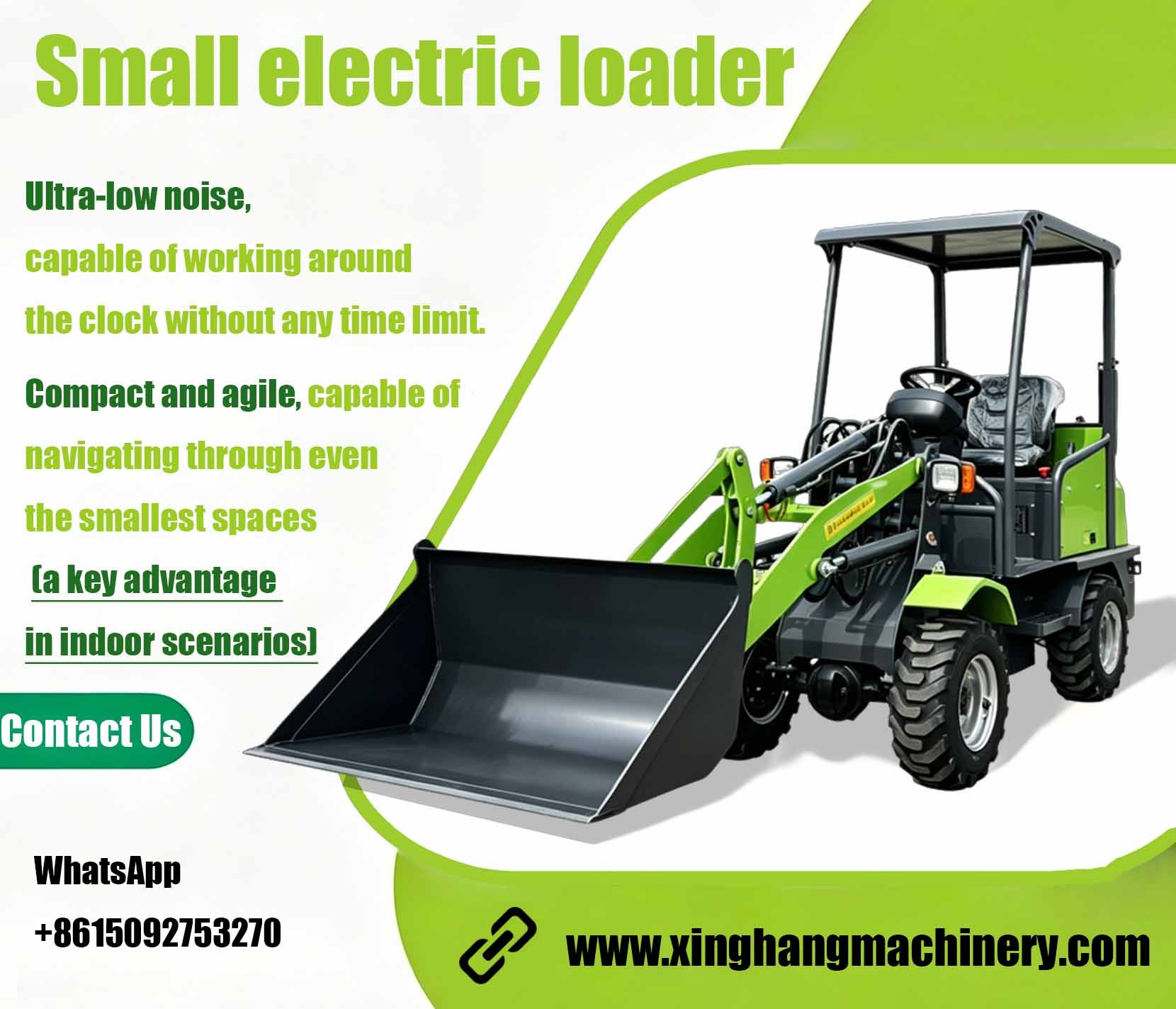
I、 Working principle of energy recovery for electric loaders
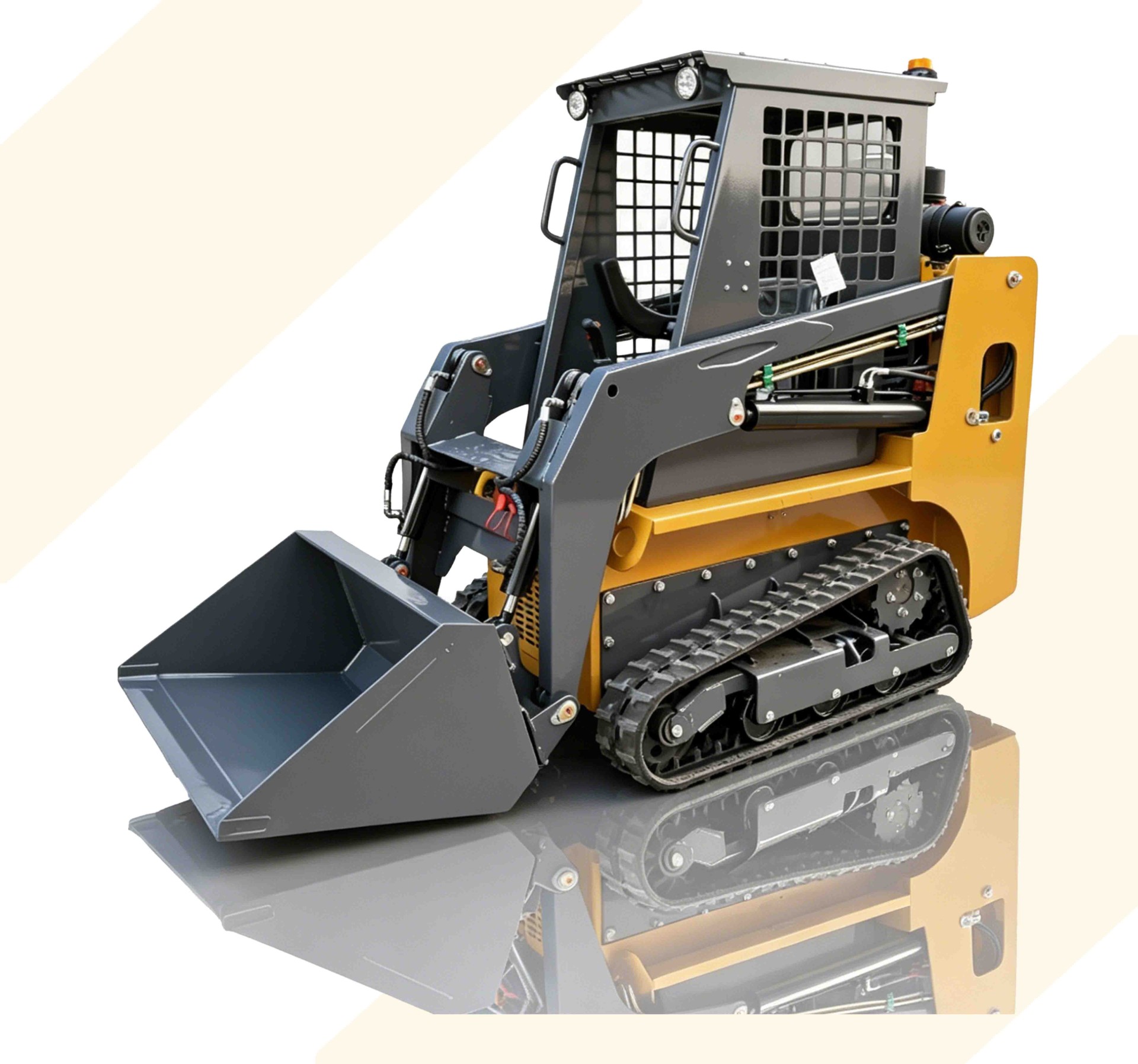
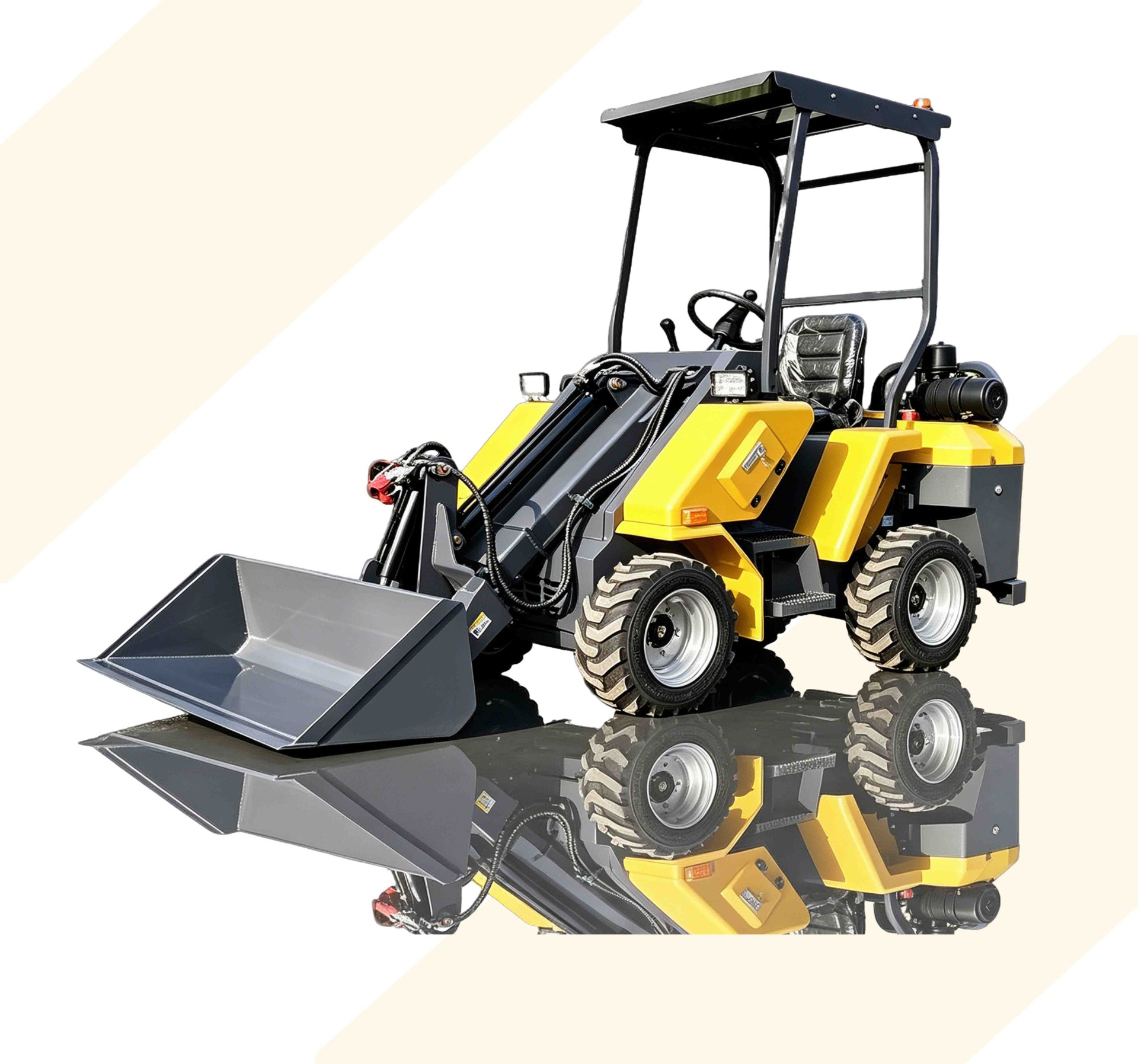
The walking motor of an electric loader has the ability to work in both directions. When the equipment decelerates, brakes, or goes downhill, the motor switches from a driving state to a generating state, converting the inertial kinetic energy of the equipment into electrical energy and recharging it back into the power battery, reducing the continuous discharge consumption of the battery. In the scenario of short distance cyclic loading, the loader has recovery conditions for each unloading deceleration and reversing braking. The more cycles, the more obvious the endurance improvement effect brought by energy recovery. Energy recovery is not a fixed value and is strongly related to electronic control calibration, operating speed, and load weight.
II、 Evaluating energy recovery capability cannot be solely based on promotional slogans
To judge the quality of energy recovery, it is not enough to just look at the words "equipped with energy recovery" on the product introduction. Some models have conservative calibration for recycling, weak recycling efforts, and very little recovered electrical energy; Some models have stiff calibration during recycling, strong braking jolts, poor operator experience, and even safety hazards during heavy load operations. Energy recovery needs to balance recovery efficiency and operational feel, and adapt to the working conditions of loader shoveling operations.
The evaluation can start from these points: firstly, comparing the energy consumption difference between turning on and off recycling under the same load in the cyclic operation condition. Secondly, experience the brake recovery feel, whether the deceleration process is smooth, without any abrupt dragging sensation, and without affecting the shovel installation and alignment operation. Thirdly, under heavy load conditions, verify the coordination between the energy recovery system and the vehicle BMS, ensuring stable recharge current and no impact on the battery. Fourth, perform long-term continuous cyclic operations and observe the stability of the recycling system to ensure that there is no overheating and the recycling function does not exit.
III、 Advantages of Energy Recovery Calibration in Low Speed Cycle Operating Conditions of Jining Xinghang
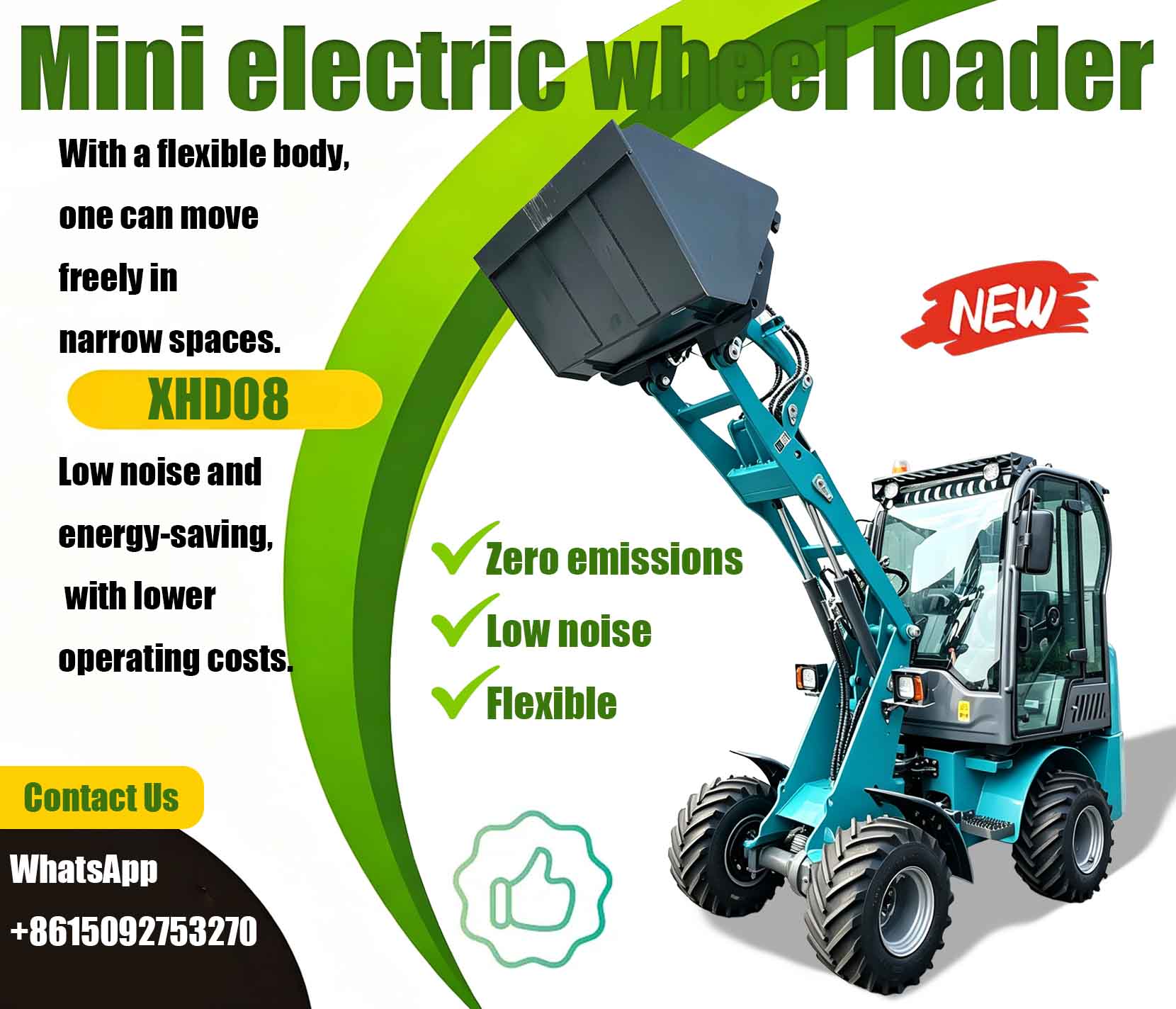
Jining Xinghang specializes in dynamic energy recovery calibration for short distance cyclic operation scenarios in material yards. Most loader operations operate at low speeds, which is different from the logic of high-speed vehicle recovery. The Xinghang electronic control system recognizes the shovel loading cycle operation, adjusts the recovery force, and smoothly recovers kinetic energy during the deceleration and reversing stages, balancing energy conservation and smooth operation. There will be no situation where excessive recycling force leads to poor control of shovel alignment, nor will there be insufficient recycling force, resulting in weak energy-saving effect. In the high-frequency circulating material yard, it effectively reduces the energy consumption per unit of shovel material and increases the number of cycles per charging operation.
IV、 Dealer promotion strategy
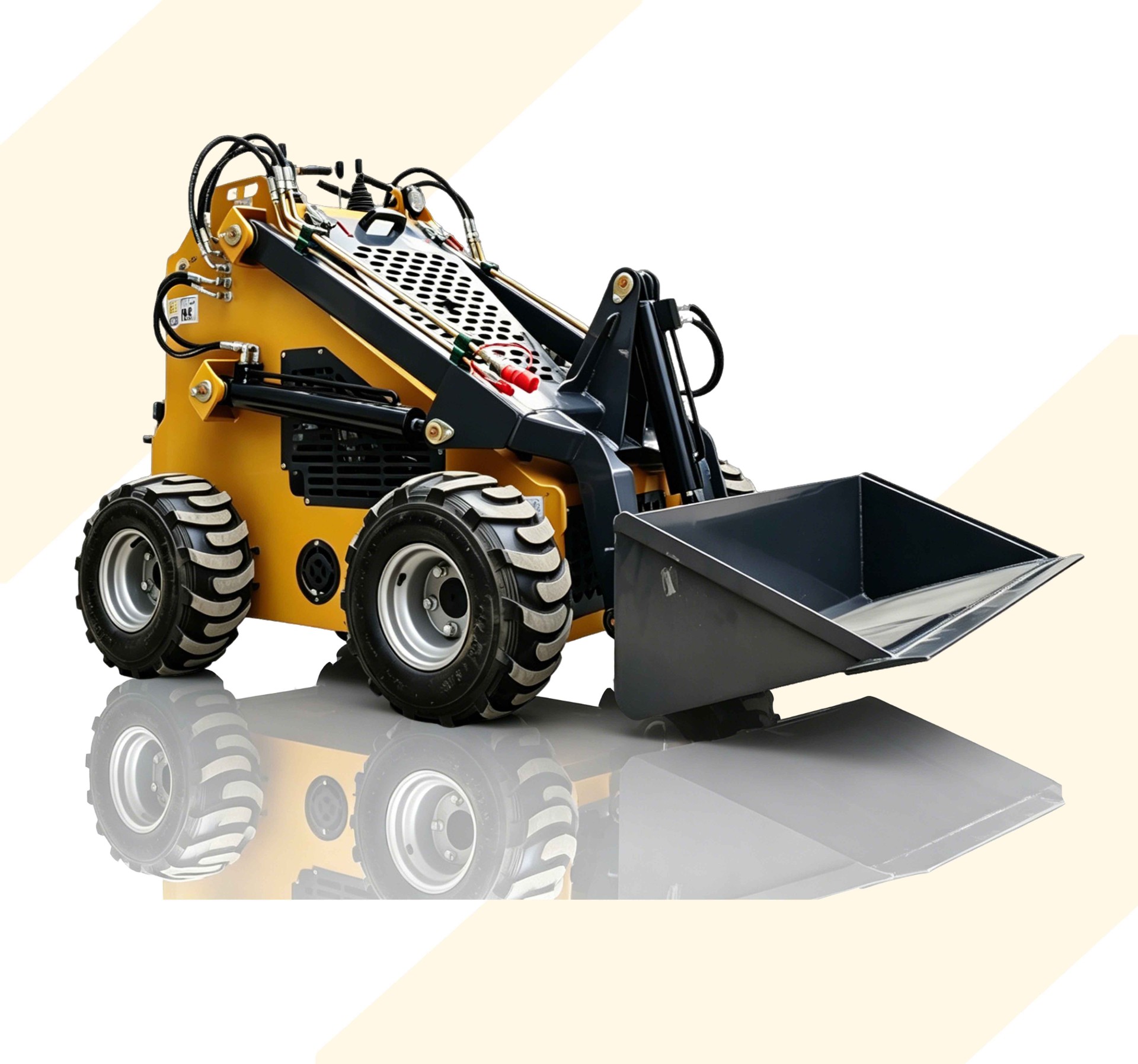
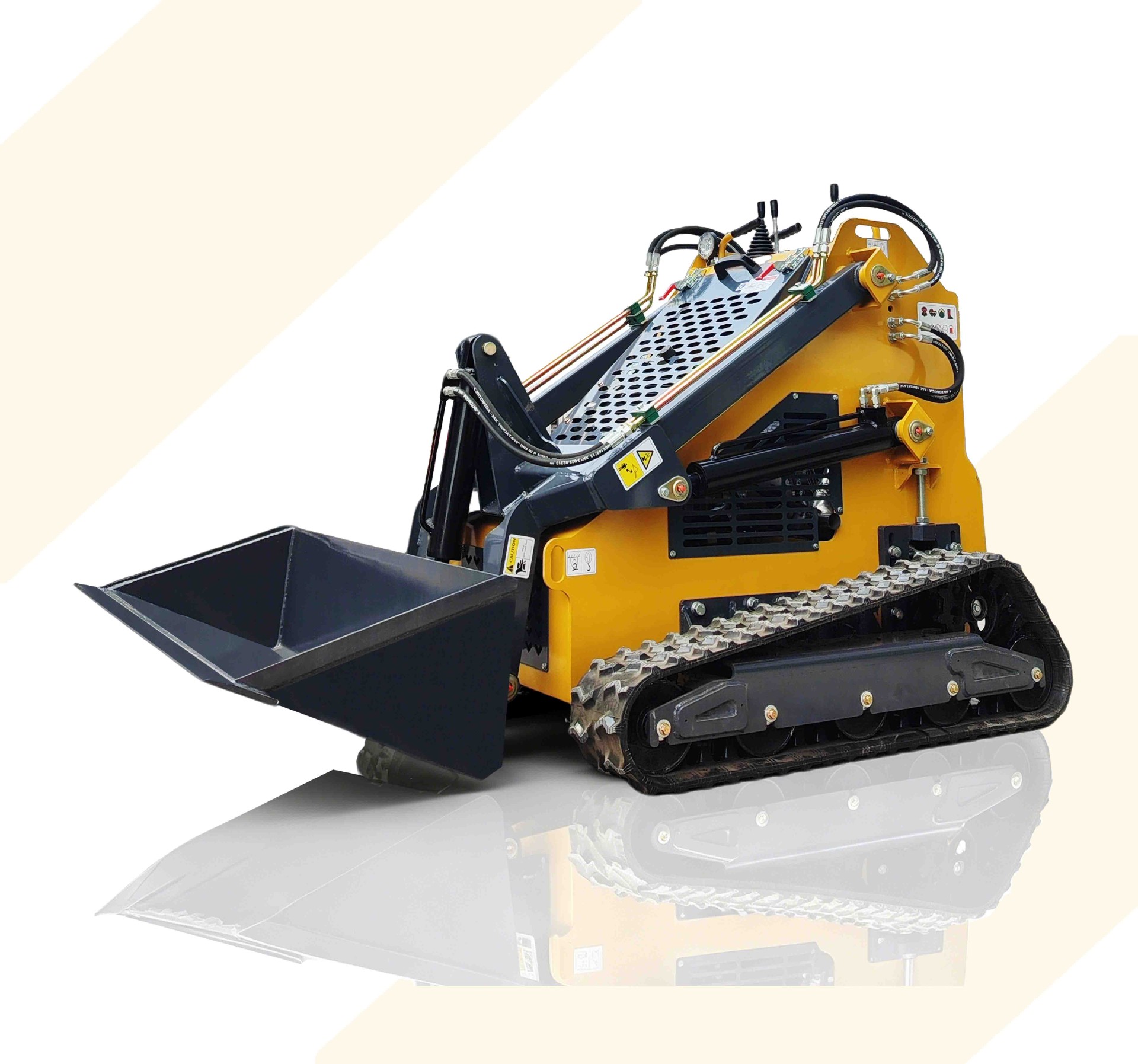
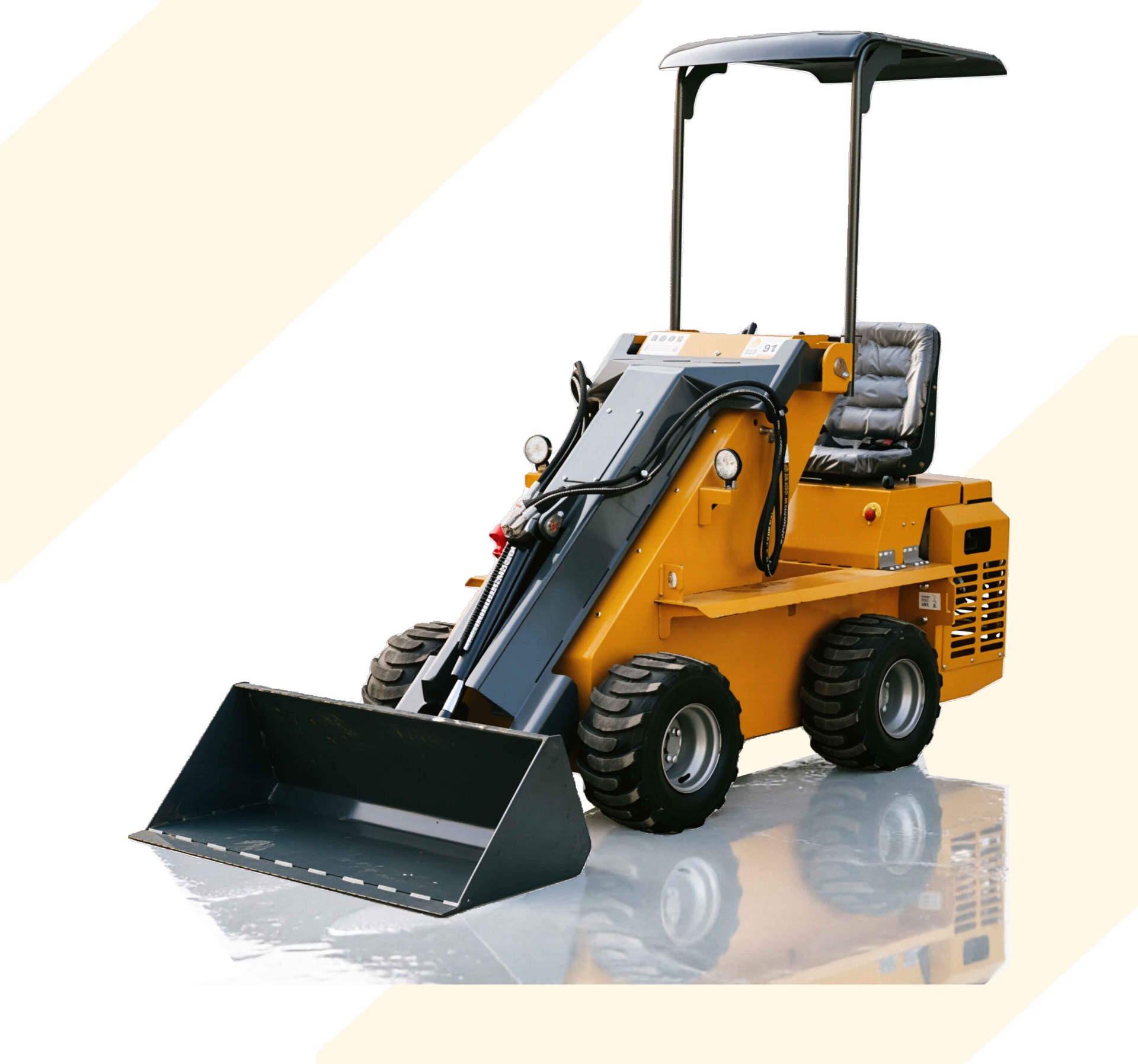
Targeting short cycle customers in the material yard and factory area, energy recovery is the key highlight of promotion. On site comparative testing can be conducted to compare the energy consumption differences of equipment using the same materials and operating routes, and visually demonstrate energy-saving benefits. Long term high-frequency cycle operation and energy-saving can significantly reduce customers' full cycle usage costs by saving electricity bills. Jining Xinghang electric loader energy recovery is suitable for low-speed shovel loading conditions. Distributors are welcome to discuss cooperation and conduct on-site energy consumption data measurement.