 Chinese
 English
 Russian
I. The underlying principle of power contention in shoveling and loading composite working conditions
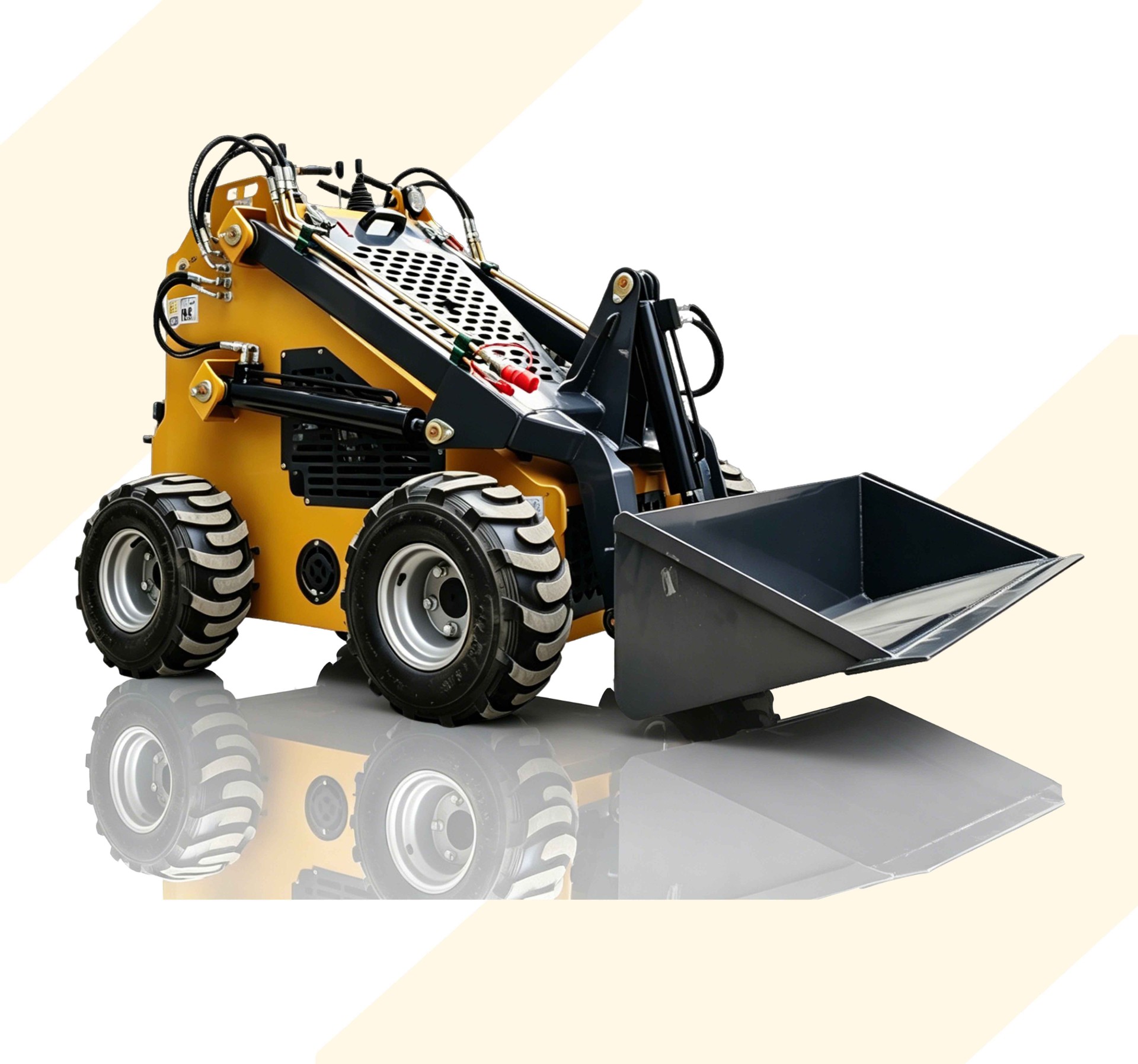
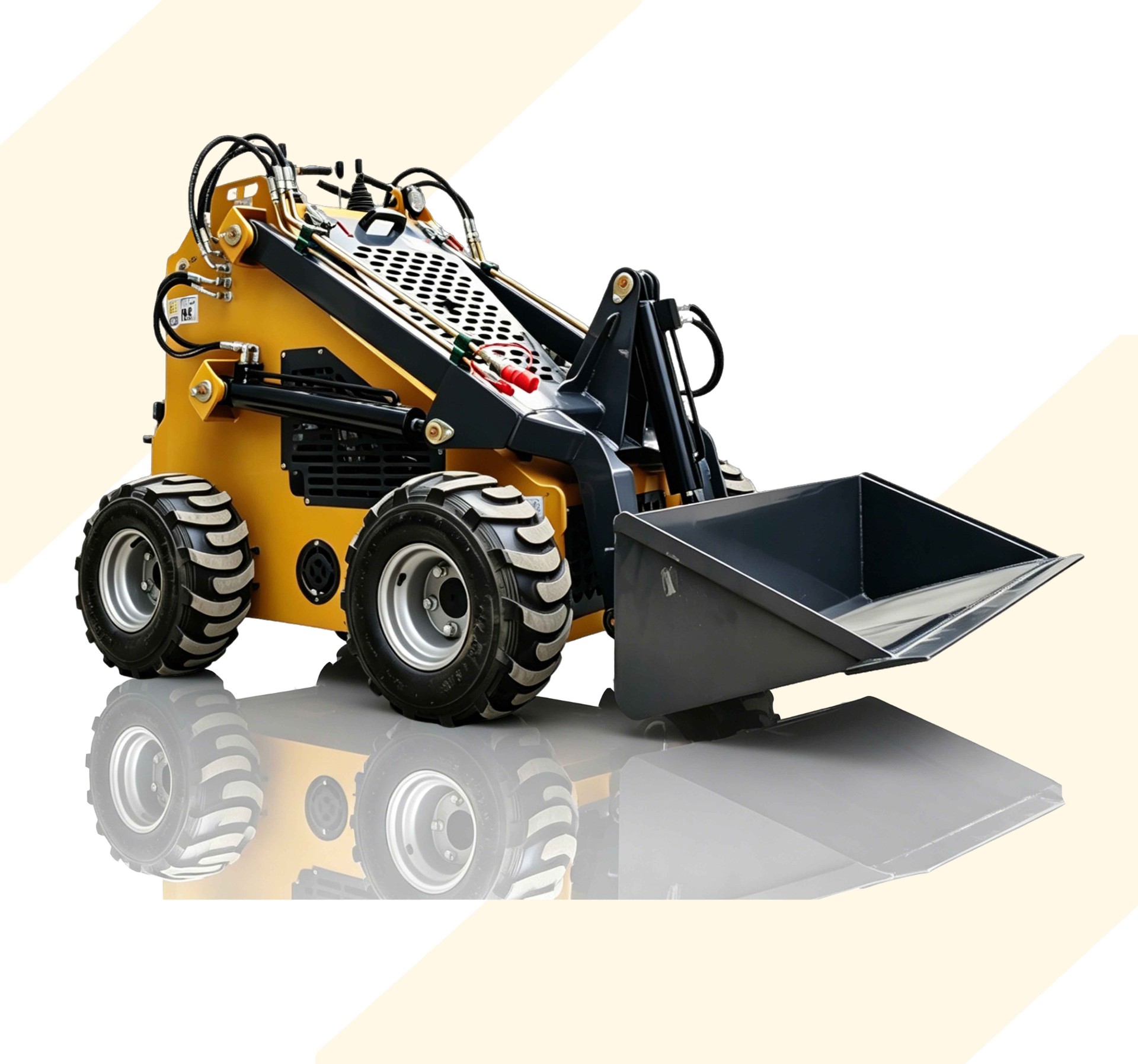
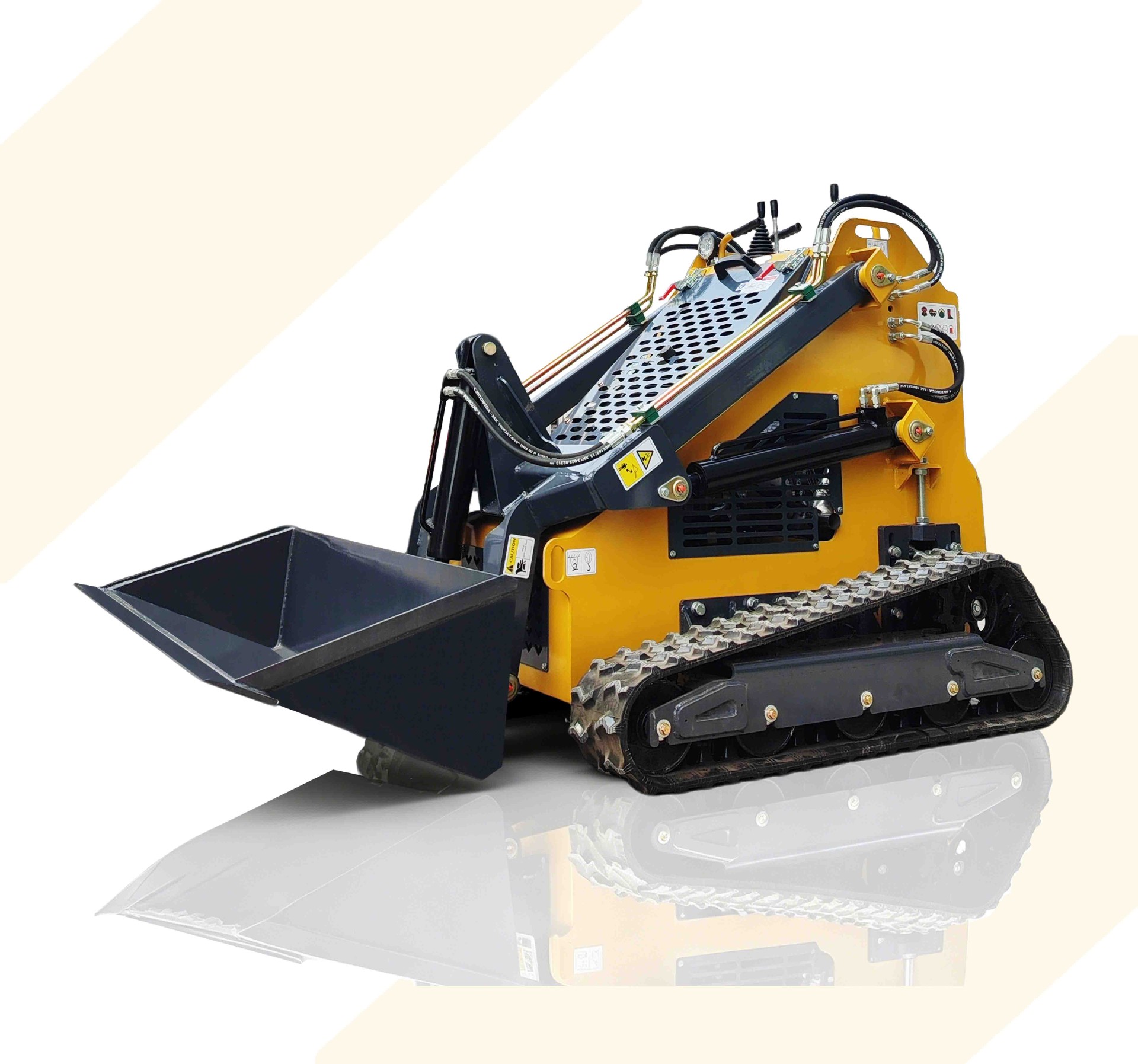
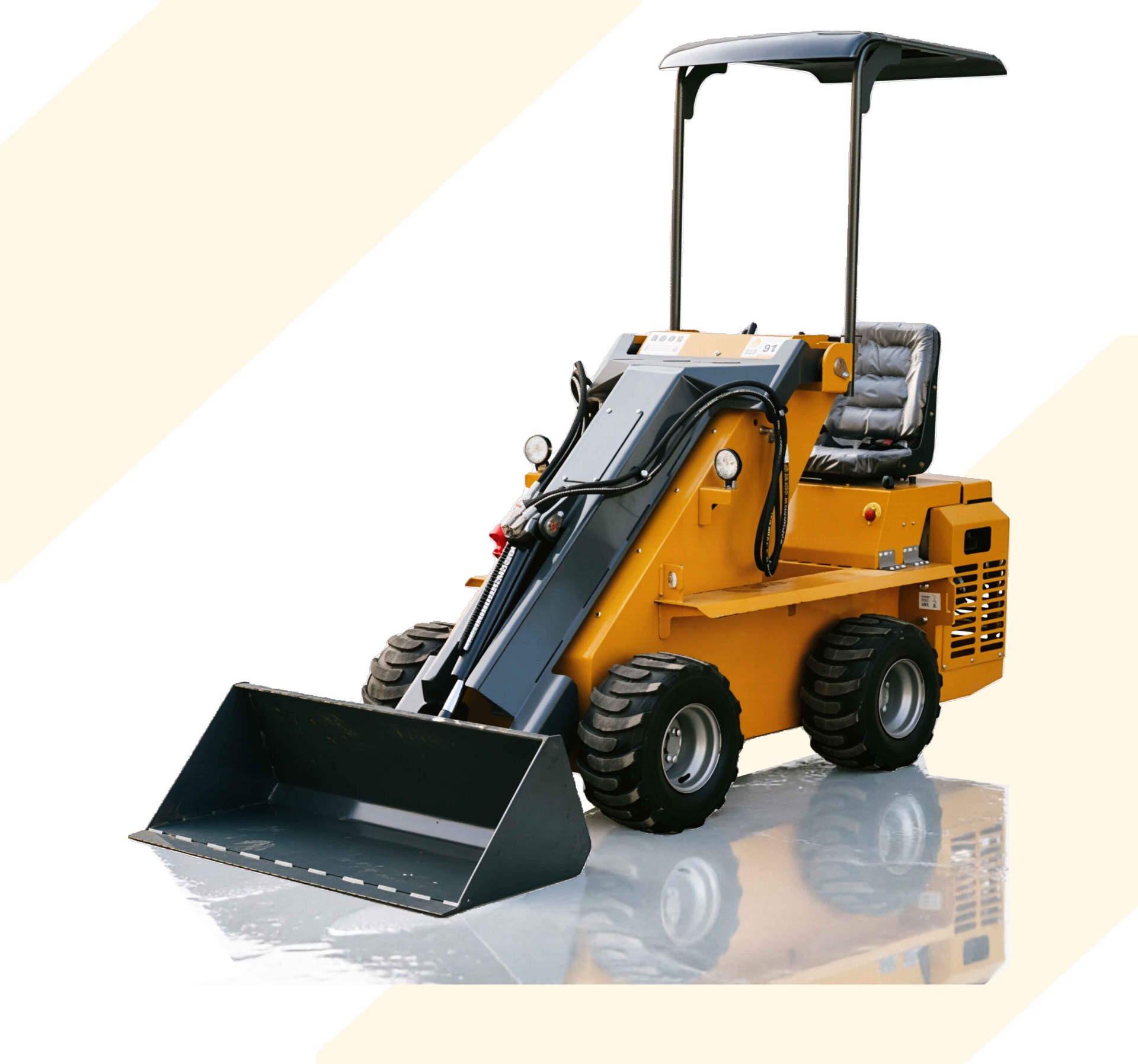
The power source of an electric loader is the drive motor, and there is an upper limit to the peak power available for the entire machine. When the operator operates the joystick to retract the bucket or lift it, the hydraulic pump needs to consume power to drive the hydraulic oil and build pressure. At the same time, when stepping on the travel pedal to move forward, the travel motor also requires high-power output to provide thrust. Both loads simultaneously request power from the vehicle controller. If the electronic control strategy simply distributes power equally or prioritizes hydraulic power, the power obtained by the travel motor is compressed, the output torque decreases, and the travel thrust decreases accordingly, resulting in travel thrust attenuation.
The fuel-powered loader engine can output higher power by increasing its speed, but its response is slow and its power regulation has poor linearity. Electric motors have fast response times, but their peak power is limited by battery and motor hardware. If the electronic control strategy does not have specialized calibration for the combined working conditions of shoveling and material handling, power distribution imbalance may occur when encountering situations that require both walking thrust and hydraulic bucket-closing force, such as material piles. Some equipment adopts a one-size-fits-all approach to limit the total power to avoid overload, but the cost is a simultaneous decline in both performance during combined actions.
Many operators can only passively adapt their operating habits and split actions: first travel and engage the material, then stop and retract the bucket for lifting, increasing the time per single shoveling cycle. For material yards that require repeated shoveling, each cycle consumes a few more seconds, which, over time, reduces overall operational productivity. Some equipment has sufficient hardware power reserves, but the electronic control calibration is not optimized for shoveling conditions, preventing the hardware from fully exerting its capabilities. The problem of thrust decay still persists, indicating that hardware is only the foundation, and the electronic control power distribution strategy is the core to solving this issue.
II. Jining Xinghang VCU electronic control, dynamic power distribution approach for composite shoveling and loading conditions
Jining Xinghang's Vehicle Control Unit (VCU) collects real-time signals from multiple operating conditions: pedal position, hydraulic handle signal, system pressure, motor speed, and available battery power. The VCU can instantly recognize the current operational status and determine whether the operator is executing a complex action involving the bucket cutting into the material pile. When it detects the condition of piling material, the electronic control system activates a dedicated power distribution logic for shoveling, dynamically adjusting the power weights of the travel and hydraulic systems.
During the stage where the bucket cuts into the material pile, priority is given to ensuring the output of walking thrust, allocating sufficient power to the walking motor to guarantee forward propulsion capability. Simultaneously, the hydraulic system maintains the basic pressure required for bucket collection, preventing any failure in the bucket collection action due to power allocation. When the bucket has cut into the material pile and entered the bucket collection and lifting stage, the working condition requirements change, and the system automatically switches the power weighting, allocating more power to the hydraulic system to complete the bucket collection and lifting action. The entire set of power weighting switches dynamically and completes the entire process automatically, without requiring the operator to switch any modes. The operator only needs to operate the handle and walking pedal normally, and the electronic control system autonomously recognizes the working condition and allocates power.
The system is set with a power protection red line, ensuring that the maximum allowable output power of the motor and battery will not be exceeded under any operating conditions, thus protecting the safety of the core components of the three-electric system. Dynamic power allocation is not an unlimited allocation; it dynamically adjusts the power flow within the hardware safety threshold according to the operating conditions, giving priority to the executing mechanism that is most in need of power for the current operation. At the same time, the electronic control unit incorporates a built-in pressure prediction logic that predicts the resistance of the material pile based on changes in hydraulic pressure, adjusting the power allocation in advance rather than compensating after the thrust decreases, thus reducing the lag in power response.
The electronic control system offers multiple power modes for selection, allowing the operator to choose the mode based on the hardness of the material. For loose bulk materials, the balanced mode can be selected; for material piles with high resistance such as ore and hard soil, the heavy-load shoveling mode is recommended. This optimizes the power distribution parameters of composite actions and adapts to the shoveling needs of different materials.
III. Real vehicle calibration, balancing thrust performance and equipment reliability
After the development of the electronic control strategy, Jining Xinghang conducted extensive real-vehicle shoveling and excavation calibration tests. Different materials were selected: sand, clay, and construction waste, to test the combined action walking thrust performance under different material pile resistances. Tens of thousands of sets of operating condition data were collected to iteratively optimize the VCU control parameters. The calibration process took into account two dimensions: first, addressing the attenuation of walking thrust to ensure synchronous shoveling and loading performance; second, controlling peak current fluctuations to avoid frequent high-power switching that could cause battery impact, thereby protecting the battery and motor life.
If we blindly pursue maximum travel thrust, the instantaneous peak current of the compound action will be excessively high, which will accelerate battery aging during long-term operation. Therefore, calibration work requires finding a balance point. On the premise of meeting the shoveling thrust, it is necessary to smooth power fluctuations and consider both operational performance and overall machine durability and reliability. During the calibration phase, frontline operators are invited to continuously test drive, optimize the control curve from the perspective of operational feel, avoid abrupt power changes and a sense of stumble during the power switching process, and ensure smooth operation.
IV. Description of operating condition boundaries
This set of electronic control optimization scheme can significantly improve the problem of thrust attenuation during synchronous operation during conventional material pile excavation. In the face of extreme working conditions such as ultra-hard large blocks of material and extremely dense frozen soil, when the resistance of the material pile exceeds the rated excavation capacity of the equipment, power protection will still be triggered, which is a normal safety mechanism and cannot infinitely exceed the upper limit of the equipment's hardware capability. When encountering ultra-hard material piles, machine operators still need to cooperate with reasonable excavation and loading operation methods and cannot rely solely on electronic control strategies.
Conclusion
The thrust attenuation during synchronous travel and loading is a very typical pain point for electric loaders in shoveling and excavating operations. Essentially, it stems from the power competition between the travel and hydraulic systems, with the electronic control distribution strategy not being adapted to the complex shoveling conditions. Relying solely on hardware solutions such as increasing motor power will not only drive up equipment costs but also bring about energy consumption and heat dissipation pressures. Jining Xinghang Electric Loaders start from the bottom layer of the VCU vehicle electronic control, identify shoveling conditions in real time, dynamically adjust the power distribution weights between the travel and hydraulic systems, and prioritize travel thrust during the material stacking phase within hardware safety limits. This approach addresses the thrust attenuation issue during synchronous operations, simplifies operator procedures, enhances shoveling and loading efficiency, and adapts to high-frequency shoveling and excavating scenarios in sand and gravel and bulk material factories.