 Chinese
 English
 Russian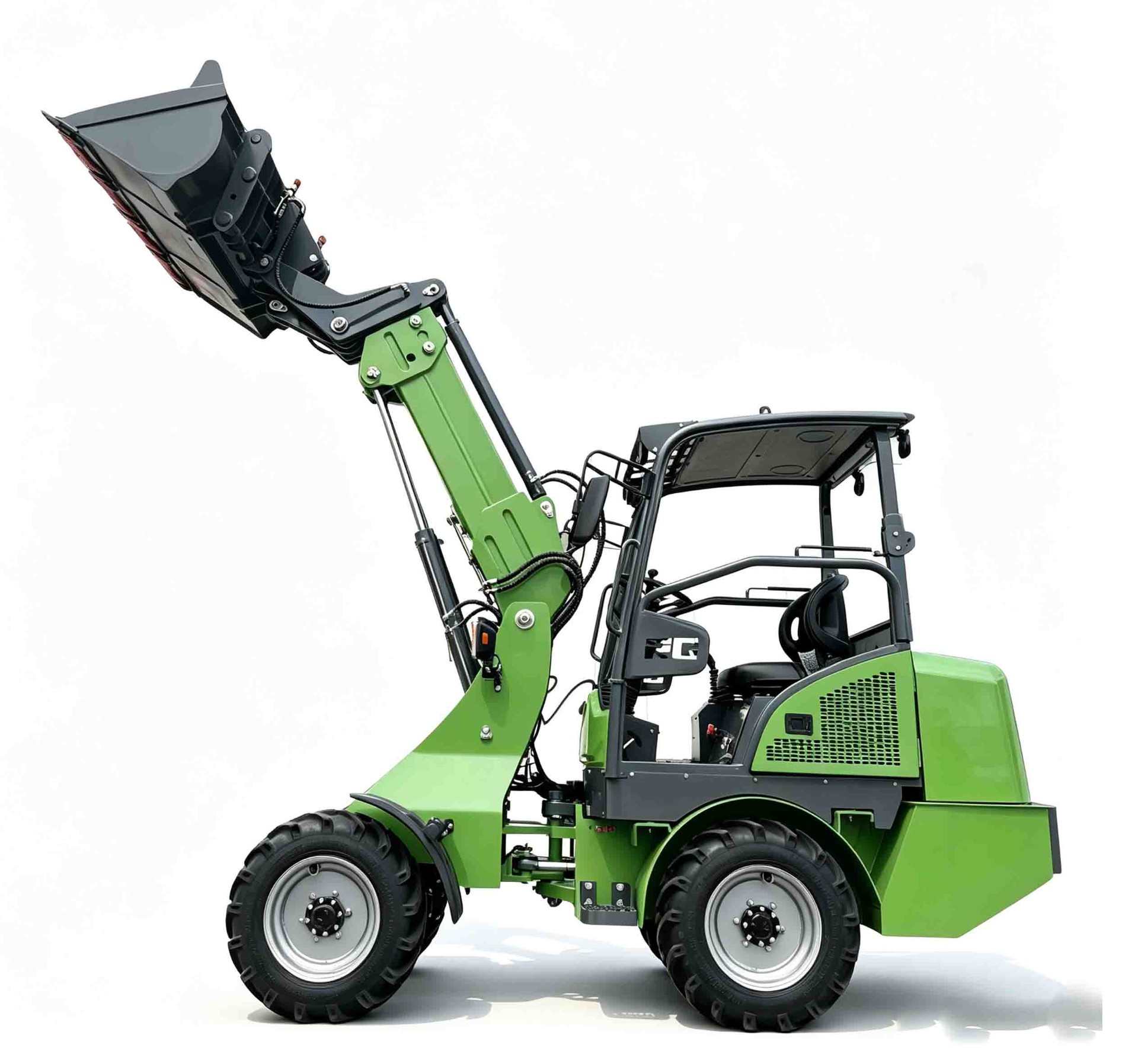
1、 The mechanism of grinding and wear of the pin shaft, the shortcomings of traditional lubrication and dust prevention structures
The lubricating grease between the pin shaft and the shaft sleeve is responsible for isolating the metal, reducing wear and buffering. The traditional pin structure only has a single dust seal ring on the outer side. Shovel vibration and pin swing can cause wear on the sealing lip, and sediment can enter the fitting gap through the gap of the sealing lip. The sand and gravel particles mixed into the lubricating grease have high hardness. During the reciprocating swing of the pin shaft, the particles continuously polish the outer circle of the pin shaft and the inner hole of the shaft sleeve, which is known as grinding wear. Wear generates metal debris, further contaminating the lubricating grease, and the wear rate continues to accelerate, forming a vicious cycle.
Adding lubricating grease for daily maintenance often only involves pressing in new grease, but the old grease that has already been mixed with sediment in the chamber cannot be completely discharged. The new grease is quickly contaminated, causing lubrication failure. The maintenance cycle is short, and it requires manual oiling almost every day. Once the maintenance of the operator is neglected, there will be an increase in the clearance between the shafts and a loose bucket in a short period of time. The maintenance of the shaft sleeve is difficult, requiring disassembly of the boom and bucket attachments, which consumes a lot of labor and seriously affects the equipment's attendance rate.
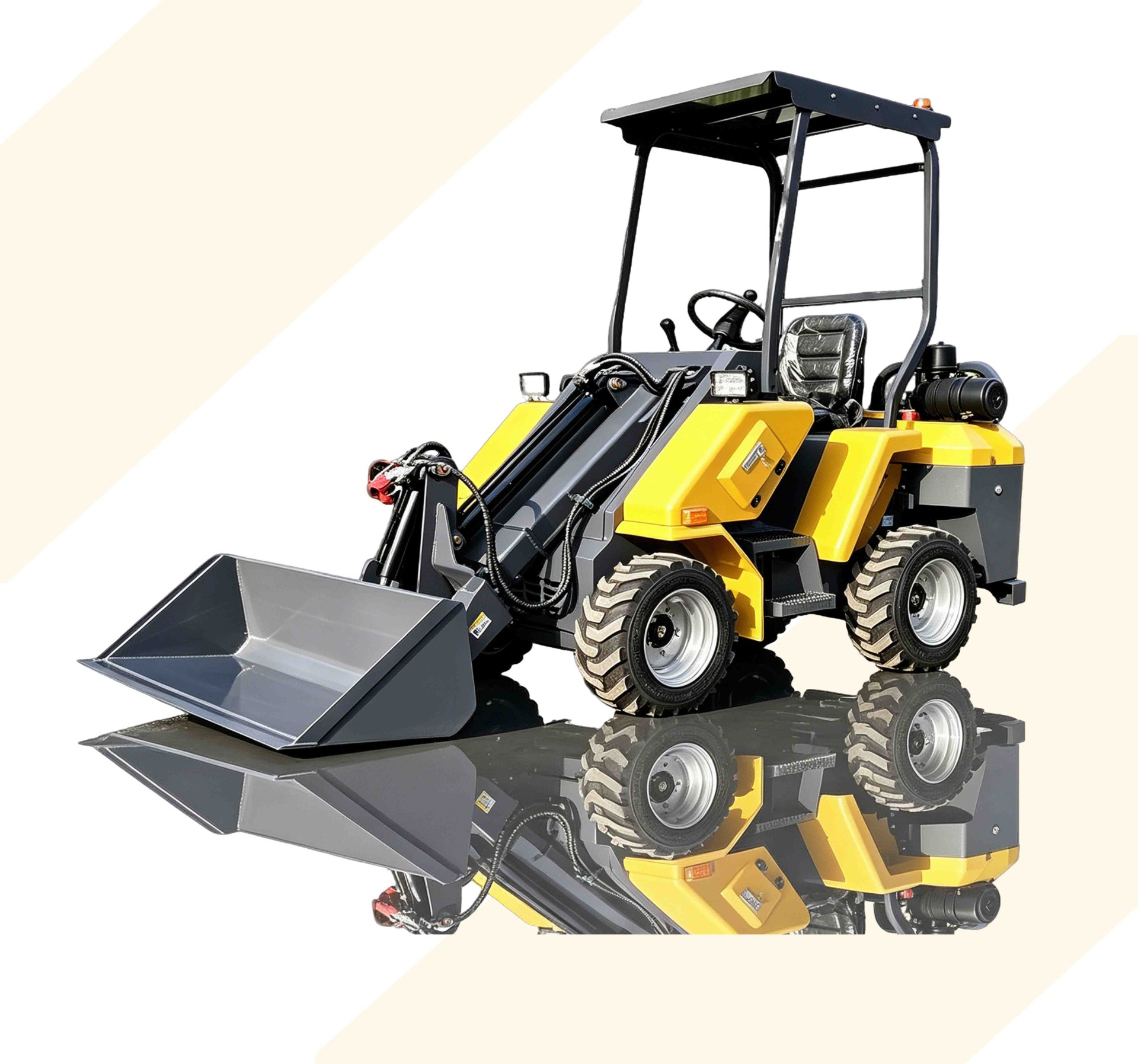
Electric loaders are commonly used for high-frequency cycle shovel loading in factory areas, with high frequency of pin shaft swing and faster wear rate than traditional fuel loaders. Many users focus on batteries and motors, ignoring structural components such as hinge pins, and only discover wear problems when the bucket shakes severely, resulting in high maintenance costs.
2、 Design of Dust and Fat Storage Composite Structure for Jining Xinghang
Jining Xinghang Sports Sales Shaft adopts an integrated structure of multiple dust prevention and built-in grease storage chamber. A circular grease storage groove is reserved inside the shaft sleeve to form a grease storage chamber. When adding lubricating grease, new grease can fill the grease storage chamber and store sufficient lubricating grease. During the homework process, the pin shaft oscillates back and forth, and the lubricating grease inside the grease storage chamber is slowly and continuously supplied to the mating working surface of the pin shaft to maintain the oil film. The grease storage chamber is equivalent to a self-contained grease warehouse, extending the lubrication cycle and preventing immediate dry friction due to small amounts of grease loss.
Double layer dust-proof sealing structure is installed at both ends of the pin shaft. Outer dust-proof scraping lip, prioritizing the removal of sediment adhering to the surface of the pin shaft and blocking large particle impurities; The inner sealing lip isolates fine dust, locks in lubricating grease inside the chamber, and reduces oil leakage. The double-layer sealing lip forms a middle buffer chamber, and even a small amount of fine dust passing through the outer dust-proof lip will stay in the buffer chamber, making it difficult to enter the inner pin shaft mating working surface. Reserve a grease release channel in the buffer chamber. When adding new lubricating grease, the old grease and sediment entering the buffer chamber can be discharged through the grease release channel to achieve grease replacement and discharge, avoiding dirty grease from remaining in the fitting gap and continuously grinding the components.
Optimization of the arrangement angle of the pin lubrication nozzle, convenient operation of adding butter, and direct access of the grease channel to the grease storage chamber. The surface of the pin shaft is hardened to improve surface hardness, and even if a small amount of impurities enter, it can resist grinding and scratching. The shaft sleeve is made of solid lubricated modified lining, which improves the basic wear resistance and further reduces the wear rate when combined with a grease storage structure. The entire structure combines the functions of dust prevention, grease storage, and drainage, distinguishing it from the traditional pin shaft design with a single seal and simple oil hole.
3、 Durability test to verify the effectiveness of the grease storage dustproof structure
After the structural design is completed, a durability test of the pin shaft swing is carried out to simulate the continuous shoveling and reciprocating swing of the loader, while continuously spraying dust and mud into the sealed area. After a long period of testing, the pin shaft is disassembled to observe the grease state in the storage chamber and the wear of the pin shaft sleeve. Complete the bench test and then conduct on-site testing at the sand and gravel yard to track changes in the clearance between the pin shafts, compare the wear differences of ordinary pin shaft structures, optimize the sealing lip profile and grease storage chamber volume.
Balance the size of the fat storage chamber during the calibration process. If the fat storage chamber space is too large, it will occupy the structural strength space; The fat storage chamber is too small, resulting in insufficient oil storage capacity and limited effectiveness in extending maintenance cycles. Simultaneously optimize the size of the grease release channel, as a large channel can easily cause grease leakage; The channel is too small, making it difficult to remove dirty oil and grease. After multiple iterations, find the optimal structural parameters.
4、 Key points for maintenance operation of shaft structure
The dust-proof grease storage structure can significantly extend the lubrication and maintenance cycle, and is not maintenance free. The operation and maintenance personnel add lubricating grease according to the maintenance cycle, continuously adding grease until old grease and sediment are discharged from the grease outlet, ensuring that the grease inside the grease storage chamber is renewed. Daily inspection and observation of whether the sealing lip of the pin shaft is damaged. Once the dust lip tears, sediment will quickly enter the grease storage chamber, and the structural protection ability will be ineffective. It is necessary to replace the seal in a timely manner. If you notice an increase in bucket shaking, promptly check the clearance between the pins to avoid further wear and tear.
Conclusion
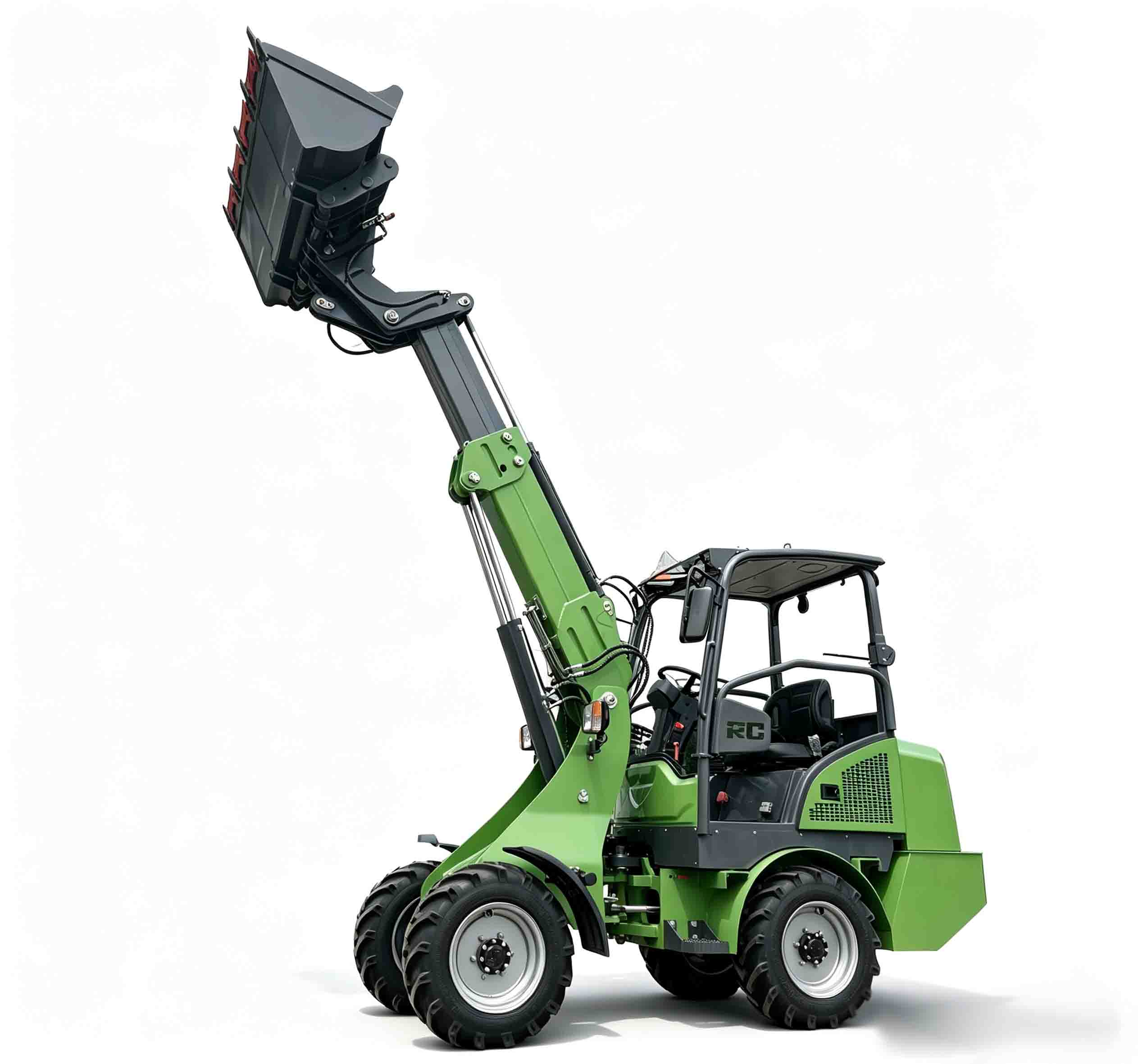
The articulated motion pin is a key component for the loader to perform shovel loading actions, and the grinding and wear caused by dust and mud intrusion is a high-frequency fault on site. Traditional pin shafts have insufficient dust and grease storage capacity, and lubricating grease is prone to contamination and failure, requiring heavy maintenance and rapid wear. The motion pin shaft of Jining Xinghang electric loader adopts a double-layer dust-proof seal+built-in grease storage chamber structure, equipped with a buffer grease release channel to block sediment from entering the pin shaft mating surface, store sufficient clean lubricating grease, and slowly supply it to the working surface. When adding lubricating grease, dirty grease can be discharged, reducing the grinding and wear of the pin shaft sleeve, extending the lubrication and maintenance cycle, reducing the probability of maintenance of the bucket hinge part, and ensuring the stability of long-term high-frequency shovel loading operations of the equipment.