 Chinese
 English
 Russian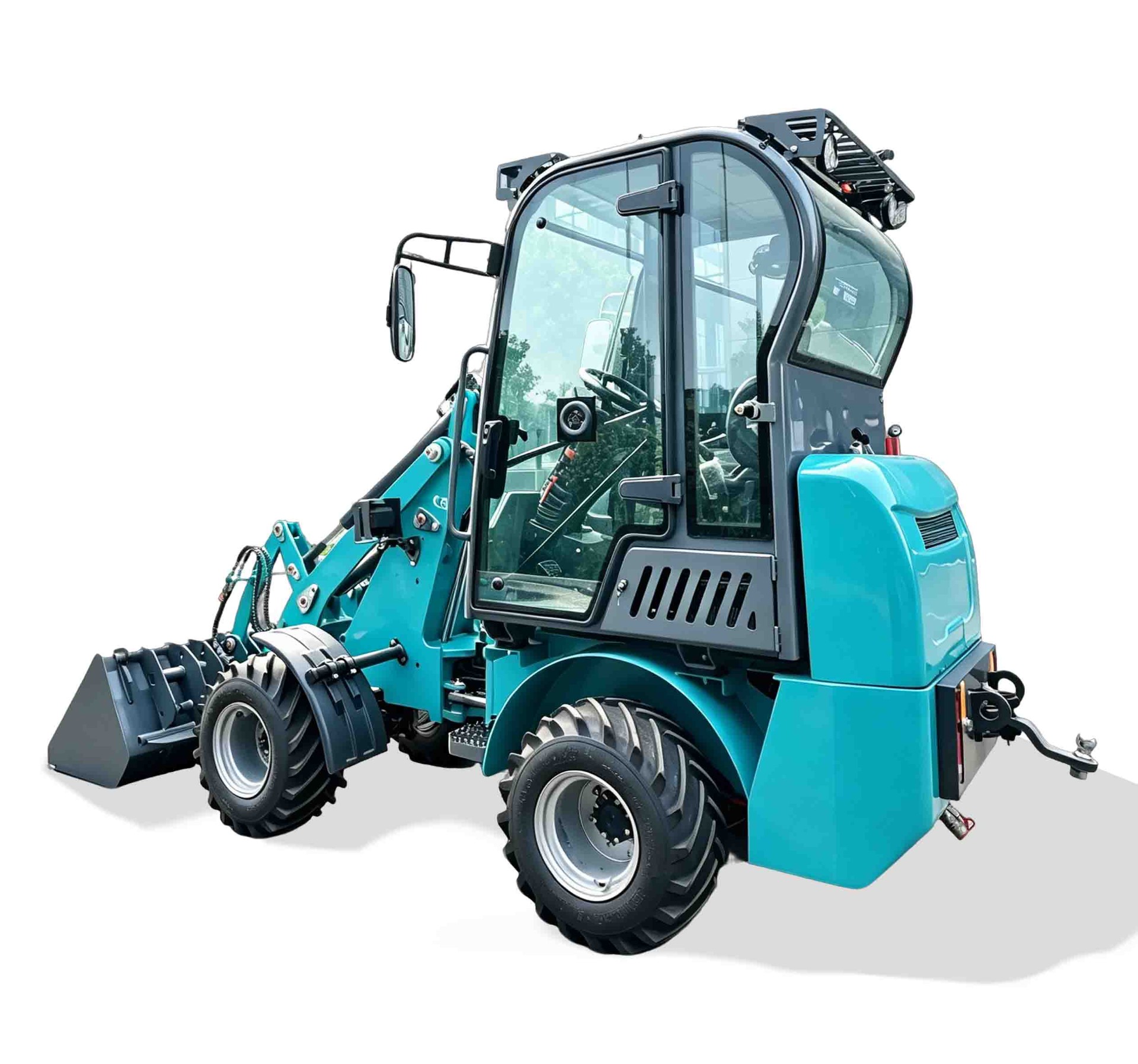
Dismantling the full cycle cost composition of electric loaders
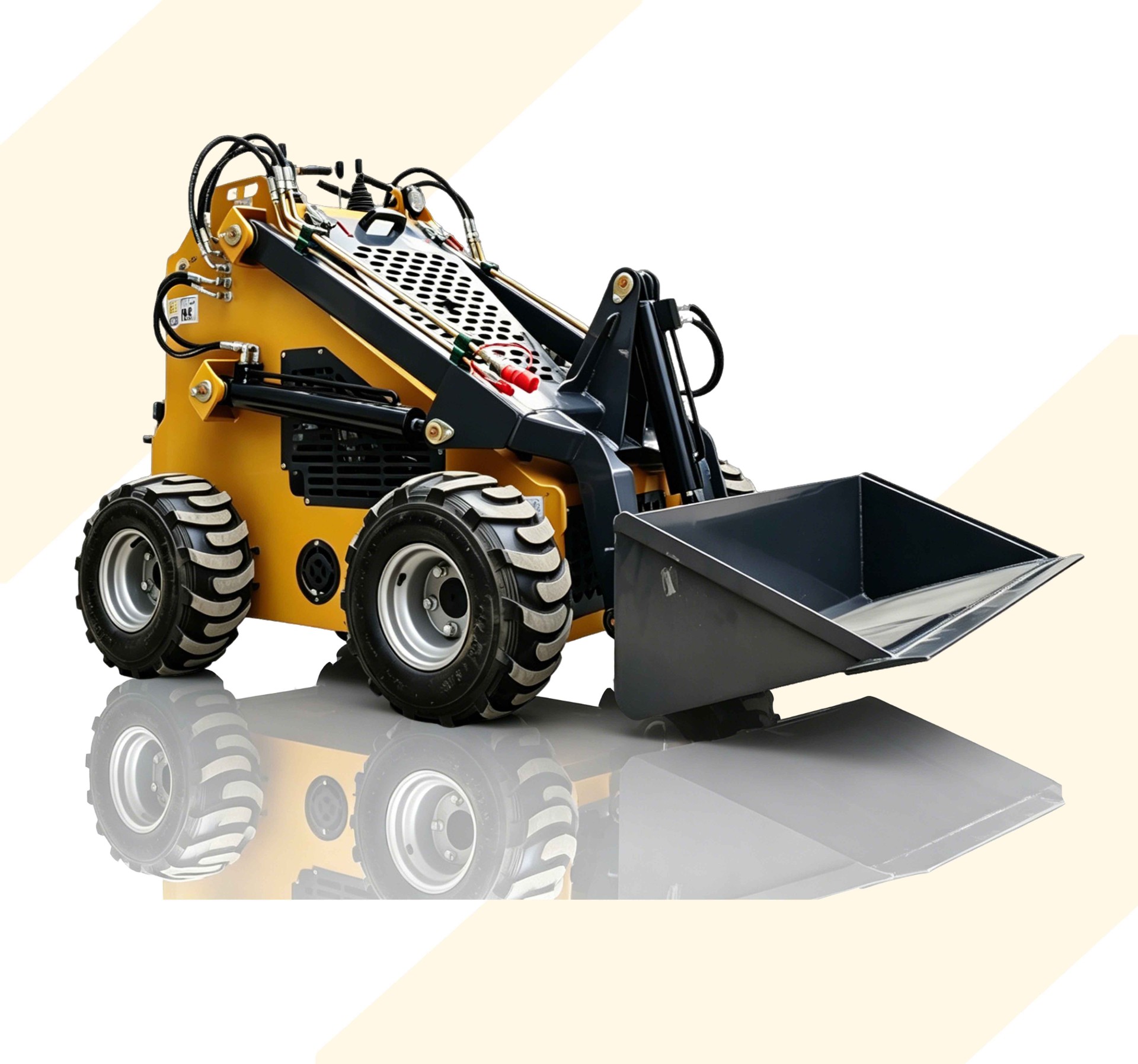
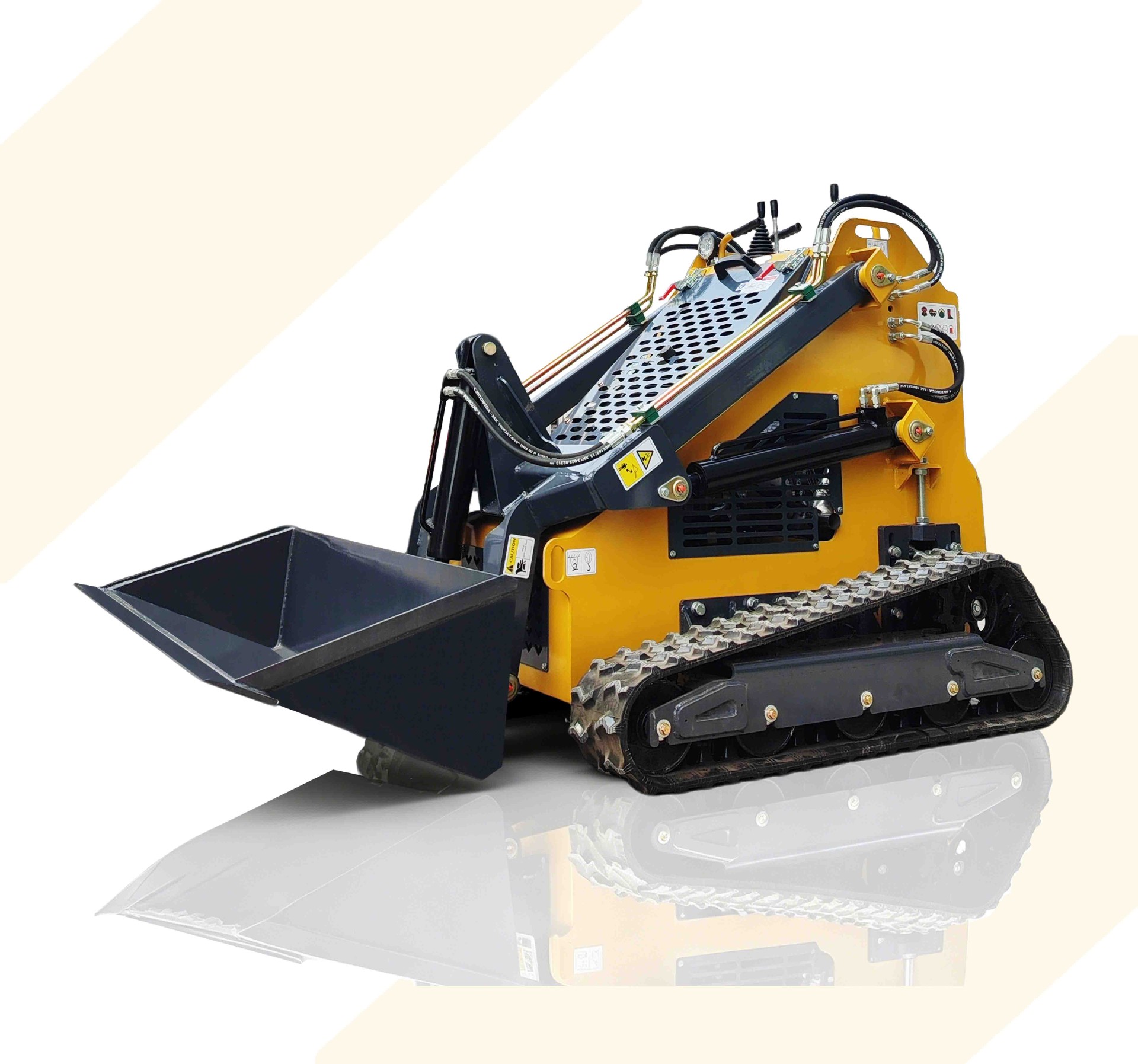
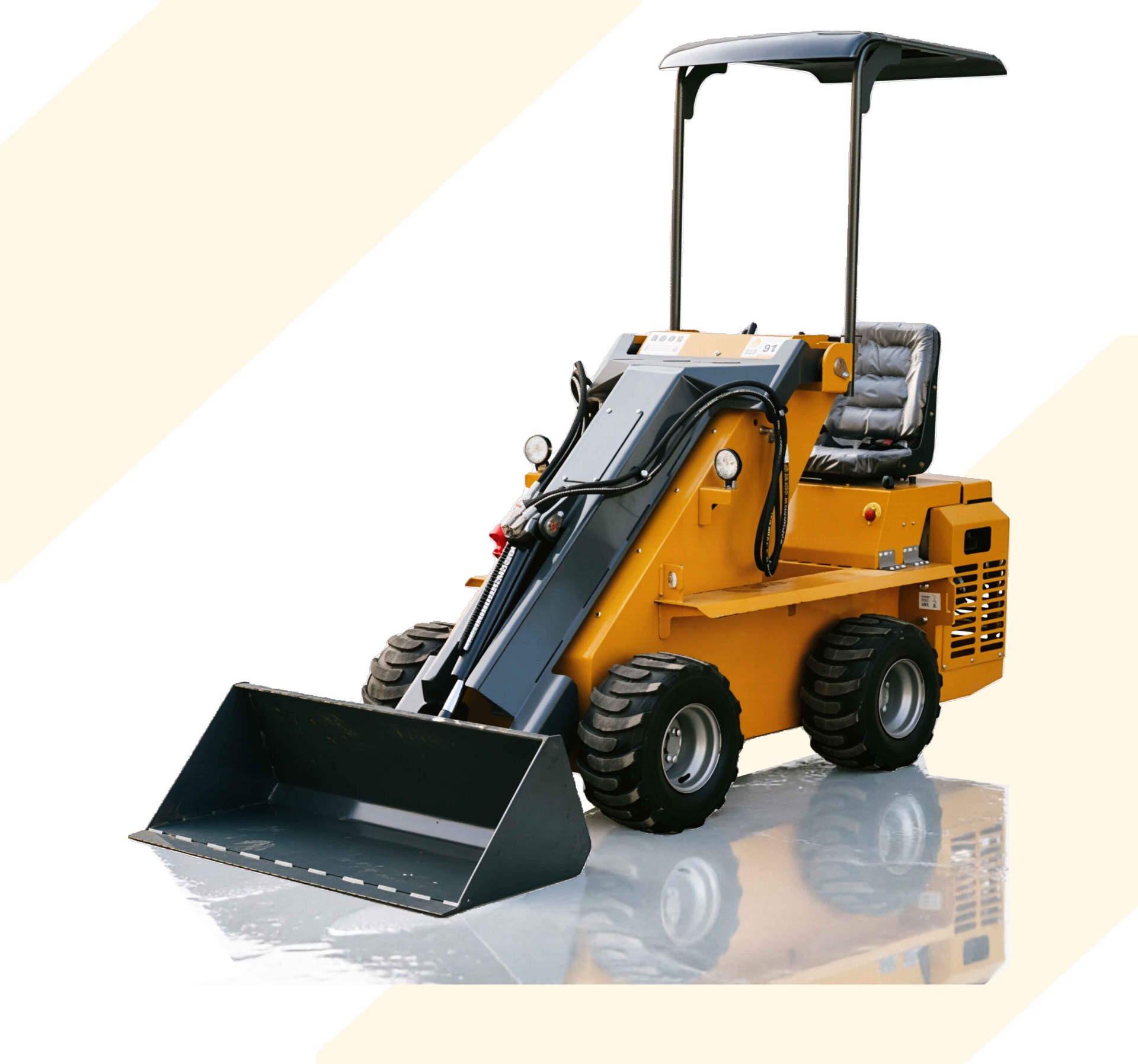
The full cycle usage cost is divided into four major categories: initial procurement cost, energy consumption cost, maintenance spare parts cost, downtime loss, and residual value. Firstly, the procurement cost. The price difference between different brands is significant for models of the same tonnage. Most low-priced models are retrofitted with fuel engines, with small design margins for the three electric systems and structural components, resulting in short-term savings and a high long-term failure rate. Secondly, energy consumption costs. The electricity bill for electric loaders is one of the biggest daily expenses. Under the same operating conditions, models with excellent system tuning have lower power consumption per unit of material transfer. Seemingly small differences in power consumption, coupled with year-round high-frequency operations, can accumulate to form a huge cost difference. Thirdly, the cost of maintenance spare parts. Includes regular maintenance consumables, replacement of vulnerable parts, and repair costs for malfunctions. Equipment with poor protective design is prone to damage from dust, mud, and water to the three electrical and hydraulic components, resulting in high repair parts prices and expensive maintenance labor costs. Once the core components of the three electric systems are damaged, the repair cost is very high. Fourth, downtime losses. The production lines in the material yard and factory area operate continuously, and once the equipment stops, the losses caused by the stagnation of the production line often far exceed the equipment maintenance costs. The equipment attendance rate directly affects customer revenue. Finally, the residual value of the equipment is higher for devices with native electric drive structures compared to modified models.
Many customers only compare the purchase price and ignore the other items. Distributors need to present this cost model clearly to customers and help them calculate long-term accounts.
How to Reduce Customer Full Cycle Costs in Jining Xinghang Product Design
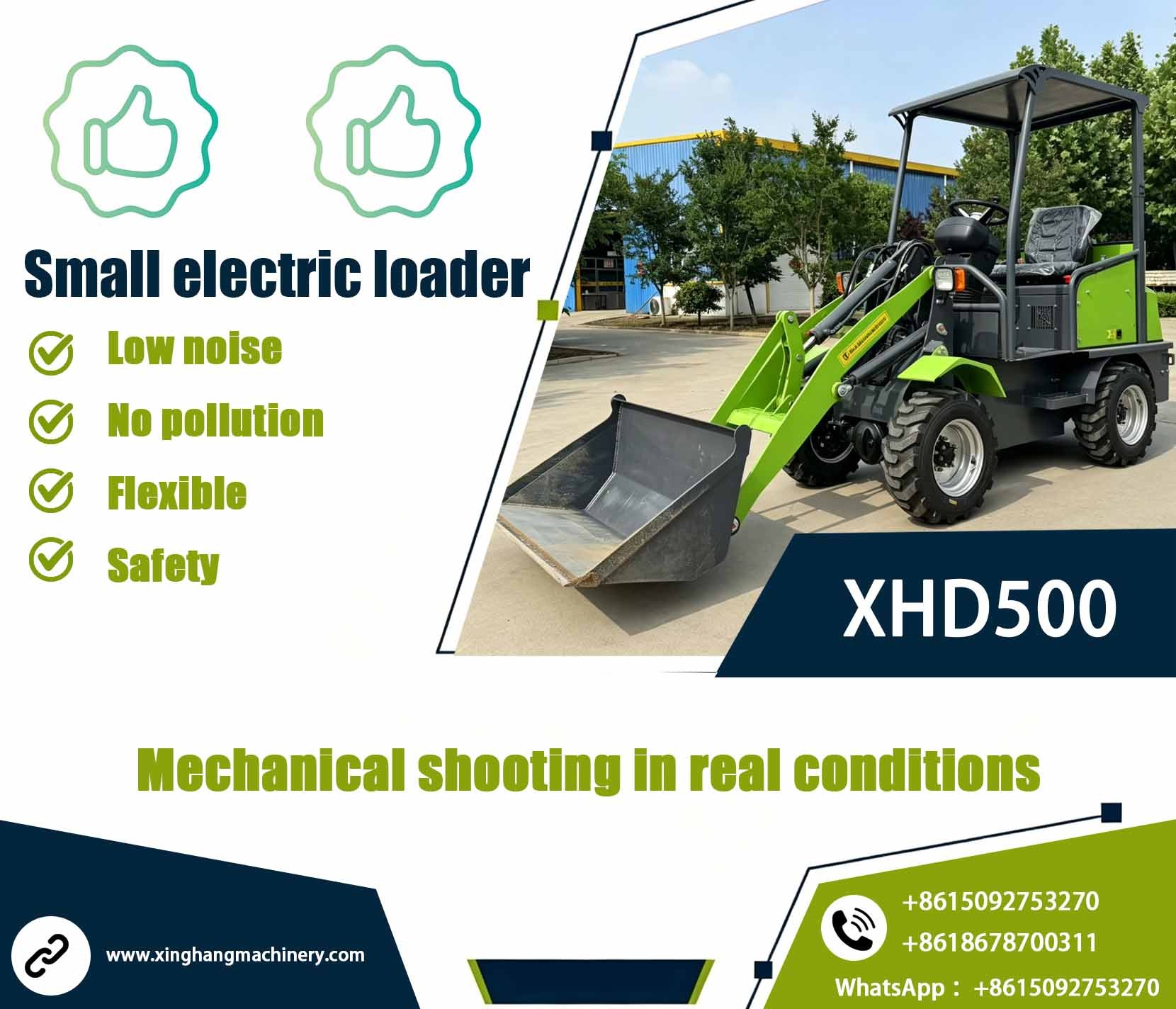
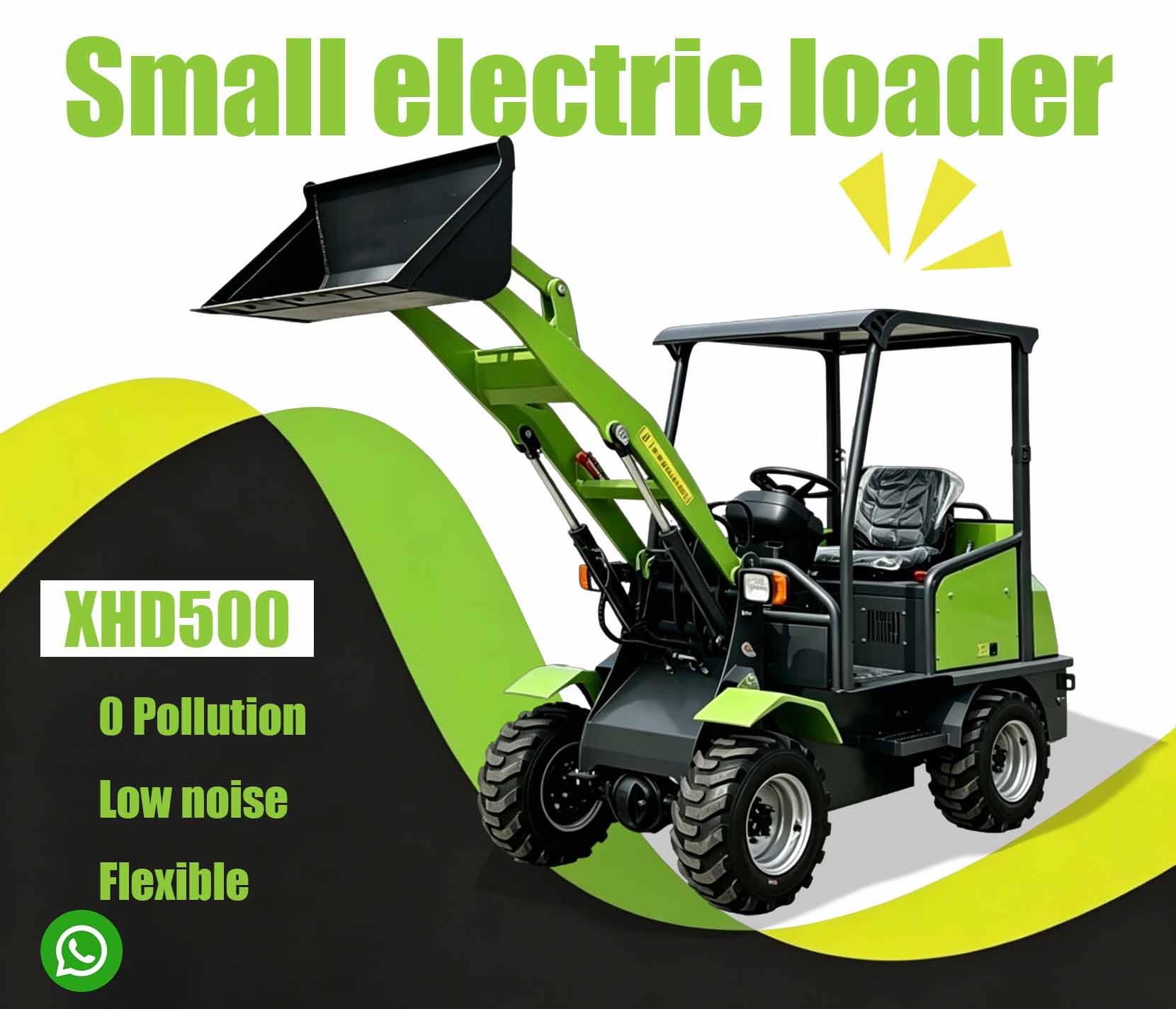
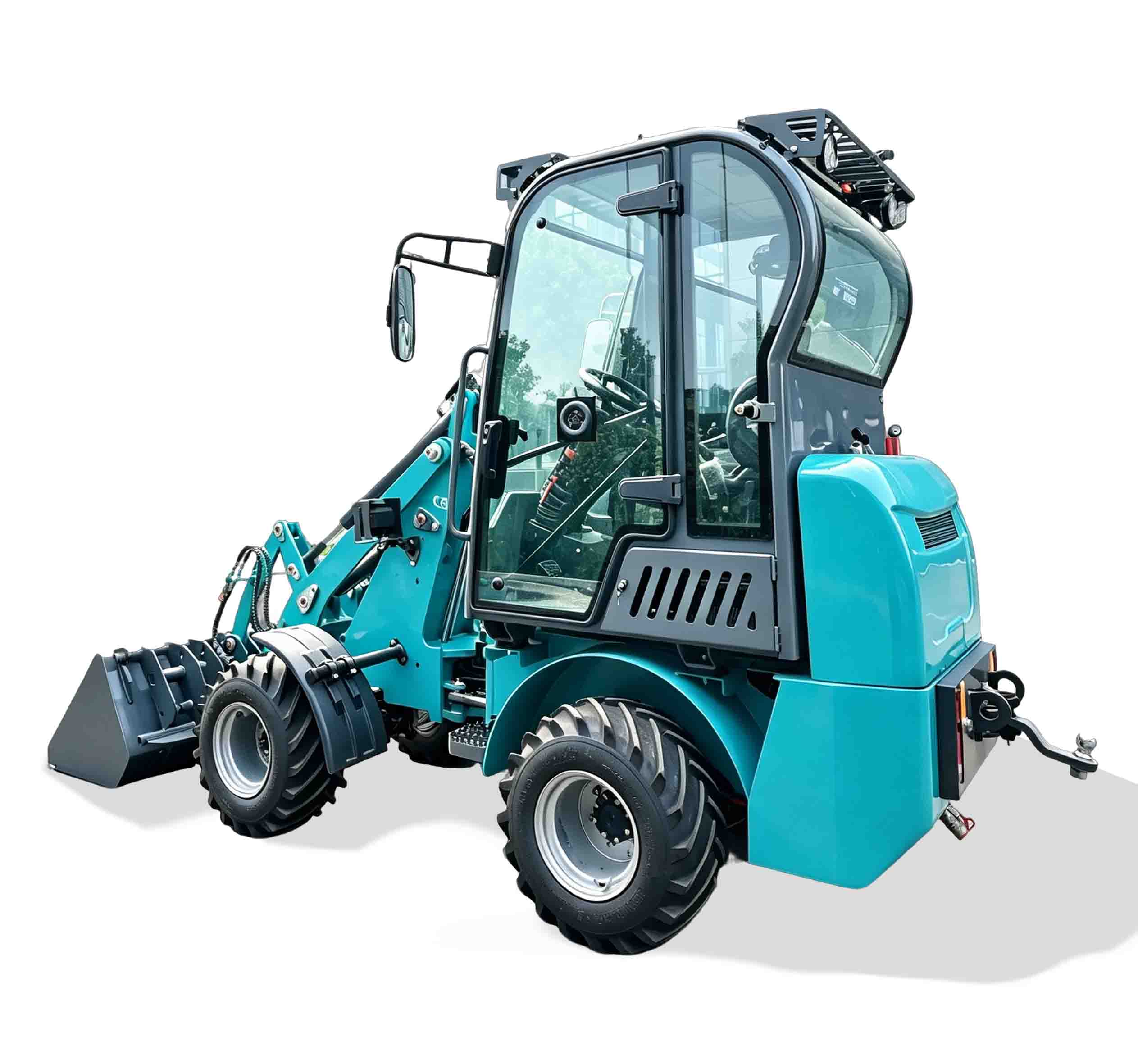
In terms of energy consumption, the Xinghang electric loader adopts electro-hydraulic collaborative control+variable hydraulic system to reduce overflow losses; Combined with an energy recovery strategy, electric energy is recovered during the bucket lowering and braking process to reduce the power consumption of cyclic operations. The electronic control system dynamically identifies loads, reduces power output under light loads, and minimizes ineffective power consumption.
At the maintenance level, the equipment is modularized with independent compartments for the three electrical components, and the maintenance space is optimized. The standardization level of vulnerable parts is high, and the procurement cost of accessories is controllable. The whole machine is sealed and equipped with a dust-proof structure for storing grease on the pin shaft, reducing component wear caused by dust and mud, extending the service life of hydraulic components and pin shafts, and reducing the frequency of component replacement. The three electric system has a fault self diagnosis function, which can quickly locate problems with fault codes, shorten maintenance time, and reduce downtime.
In terms of structural durability, the frame and hinge parts have been reinforced with design to withstand repeated shoveling impacts and reduce the risk of structural cracking and deformation. The whole machine is developed with native electric drive, with a well-organized circuit layout to reduce the probability of electrical faults such as circuit aging and short circuits.
Dealer communication skills: Clarify long-term accounts for customers
When communicating with clients, a simple calculation model can be built. Comparing two devices, one is cheaper to purchase, but has higher energy consumption and faster wear and tear of vulnerable parts; The other model has a slightly higher purchase price, but low energy consumption, low failure rate, and high attendance rate. By calculating the annual electricity and maintenance costs based on the customer's work hours, the total cost difference over several years is clear at a glance.
Objectively speaking, do not completely reject low-priced models. If the customer is engaged in intermittent light load operations with short annual working hours, low-priced models can also meet the demand; If it is a two shift, high-frequency heavy-duty material yard operation, high attendance machines have higher long-term returns.
Avoiding cognitive misconceptions and viewing quality assurance policies rationally
Many customers only consider the quality warranty period when making purchases. Distributors need to explain clearly to customers the differences in warranty coverage. Some brands' warranty only covers the battery motor body, and vulnerable parts such as seals, hydraulic components, and pin shafts are not covered by the warranty; At the same time, faults caused by inadequate human maintenance are not covered by the warranty. In addition to providing basic warranty, Xinghang dealers can also provide value-added maintenance plans, conduct regular on-site inspections, identify hidden dangers in advance, and reduce the risk of sudden downtime.
Conclusion
The procurement decision of electric loaders cannot be based solely on the quotation at the moment of purchase. The full cycle usage cost is the yardstick for measuring the economic efficiency of equipment. Distributors convey the concept of full cycle cost to customers, break out of low price competition, impress customers with value solutions, and achieve a win-win situation for both parties.