 Chinese
 English
 Russian
I、 What is instantaneous peak performance and its usage boundary
Instantaneous peak performance generally refers to the peak power and peak torque output of a motor under short-term overload, which is usually allowed to last only a few seconds and belongs to the short-term overload capability. In terms of hardware design, motors and electronic controls can withstand loads exceeding their rated capacity for a short period of time, release greater torque, and be used for instantaneous impact of material piles during excavation. Overload time is limited by component temperature and battery discharge capacity, and cannot be continuously output for a long time.
The peak performance calling scenario is limited to a short moment of digging and cutting into the material pile. After completing the entry, the equipment needs to return to the rated continuous output range during the stages of bucket collection, lifting, and transportation. If the peak value is continuously called for a long time, the temperature of the motor and electronic control will rise rapidly, BMS、 The electronic control system will activate protection, limit output power, reduce power, and protect components from damage.
Many manufacturers perform a single excavation in a cold machine state during the prototype demonstration phase, fully releasing peak torque and creating a strong visual impact. But this is only a short-term outbreak and does not mean that the equipment can continue to maintain this performance for continuous operation. Many procurement personnel overestimate the long-term operational capability of equipment by mistaking the instantaneous explosive power seen in demonstrations for its normal operating ability.
II、 Several preconditions for realizing instantaneous peak performance
Peak performance cannot be released at any time, as there are multiple preconditions. Firstly, the device is in a cold state. The temperature of the components is low, with sufficient thermal margin, allowing for short-term overload. After continuous operation and heating of the equipment, the heat margin decreases, the allowable time for peak output is shortened, and even the peak output is limited.
Secondly, the battery state meets the requirement of high current discharge. Only when the battery SOC is sufficient and the temperature is suitable can it output high current to support peak torque in a short period of time. The low battery level and low temperature environment result in a decrease in the high current discharge capacity of the battery. Even if the motor hardware supports peak torque, it cannot release the nominal peak torque.
Thirdly, the transmission, counterweight, and grip conditions of the entire machine should be matched. Even if the motor releases peak torque, if the tires slip and the weight is insufficient, the torque cannot be converted into wheel edge digging thrust, and the peak performance on paper cannot be achieved. The ultimate performance of peak torque depends on the overall matching conditions of the machine, not solely determined by the parameters of the motor.
All of the above conditions are often met during prototype demonstrations. However, the real material yard operates all day long, with fluctuations in battery power, temperature, and continuous load changes, making it difficult to maintain ideal conditions for peak performance. The peak performance of the prototype demonstration belongs to the instantaneous performance under ideal working conditions and is not equivalent to the performance of daily operations.
III、 Blindly valuing instantaneous peak performance brings potential selection risks
Hazard 1: Misjudgment of continuous operation capacity. Procurement mistakenly believed that peak capacity was normal capability, and estimated that the hourly transfer volume of equipment was too high. After the equipment entered the site, continuous operation of the thermal engine reduced power, and the actual production capacity did not meet expectations, affecting production plans.
Hazard 2: Choosing models with excessive hardware redundancy increases procurement costs. To pursue higher instantaneous peak values, high-power motor control is chosen, resulting in higher hardware procurement costs. However, the vast majority of daily tasks only require rated power operation, with limited peak capacity for a year of use. Hardware remains idle for a long time, resulting in a waste of procurement funds. At the same time, high-power hardware has greater no-load losses and higher energy consumption for daily operations.
Hazard 3: Neglecting rated continuous performance. Some manufacturers use small-sized motors to increase peak parameters and rely on short-term overload to increase peak values, but the rated torque and power are relatively low. The explosive power of a single excavation with a cold machine is impressive, but the temperature rises rapidly during continuous heavy load operations. The continuous power is insufficient, and the efficiency of long-term operations is poor.
Hidden danger four: Ignoring the structural impact caused by peak output. Frequent use of peak torque results in repeated impact loads on the frame, hinges, and shafts, accelerating structural fatigue. If the overall structure is not synchronously strengthened, the risk of structural wear and deformation increases under long-term high-frequency impact conditions.
IV、 The correct evaluation method for peak performance during selection
Peak performance can serve as an auxiliary reference indicator, but cannot be used as a core selection basis. Prioritize selection evaluation, with rated sustained performance higher than instantaneous peak performance. Firstly, confirm the rated power and rated torque, and evaluate the stable output capability of long-term continuous operation. Under the premise that the rated performance meets the bottom line of the operating conditions, the short-term peak capacity is further examined to confirm that the peak can cope with occasional clumping of hard materials.
On site testing to distinguish between single cold machine excavation and long-term continuous cycle operation. The explosive force observed during a single cold machine excavation is the peak performance; Continuous 1-hour overload cycle and stable output under hot state are the true daily operational capabilities. The focus of the test machine is to observe the continuous performance of the thermal state, rather than just looking at the instantaneous effect of a single impact on the material pile.
Simultaneously confirm the peak protection strategy. Understand the overload protection logic of electronic control and BMS, and ensure that the process of overload power reduction is smooth and there will be no power cliff. A high-quality protection strategy that gently limits power when components approach the upper temperature limit, ensuring continuous basic operations rather than suddenly cutting off power.
V、 Distinguish working conditions and reasonably consider peak performance requirements
The instantaneous peak demand varies depending on the working conditions. If the material is soft, mainly composed of sand and wood chips, it is almost rare to encounter hard lumps, and the demand for peak torque is very low, so there is no need to pursue ultra-high instantaneous peak. If frozen soil and hard clumped sand and gravel are frequently encountered and short-term peak breaking of the material pile is required, a certain peak capacity needs to be reserved, but priority should still be given to ensuring the rated continuous performance meets the standard.
Conclusion
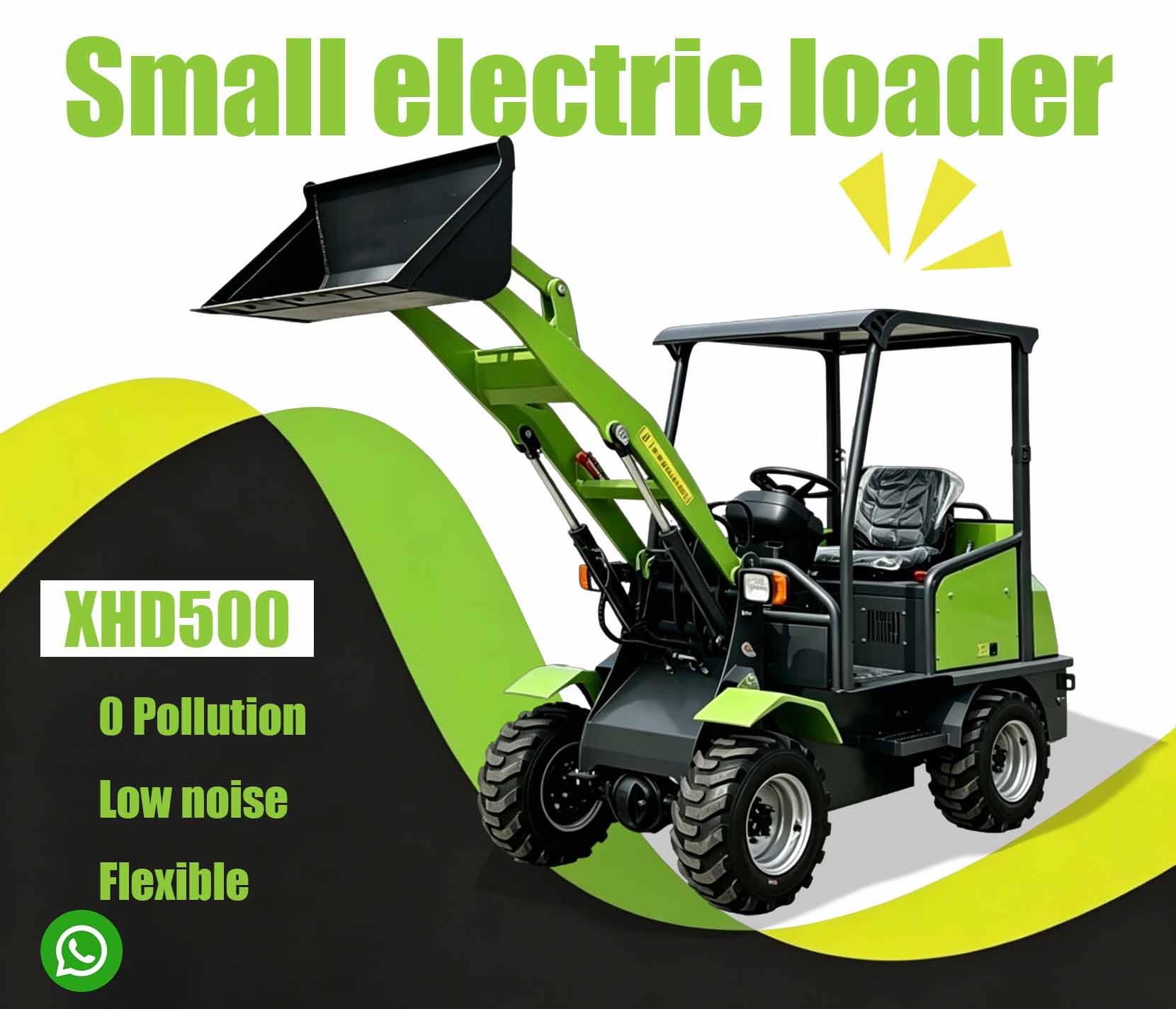
The instantaneous peak performance is the short-term emergency burst capability of an electric loader, which is only used to break through the resistance of the material pile during excavation and cannot represent the continuous operational strength of the entire machine. When choosing an electric loader, one should not be confused by the impressive instantaneous peak performance in the prototype demonstration, and should not consider short-term peak performance as a normal operating indicator. Prioritize the evaluation of rated continuous performance, thermal management capability, and overall system matching level for selection, and peak performance is only used as an auxiliary reference indicator. Jining Xinghang electric loader, with reasonable calibration of peak value and rated output boundary, prioritizes ensuring stable output for long-term continuous operation while ensuring sufficient short-term excavation explosive force, helping users rationally view peak parameters, avoid selection errors caused by instantaneous peak values, and choose electric loaders suitable for the working conditions of the material yard.