 Chinese
 English
 Russian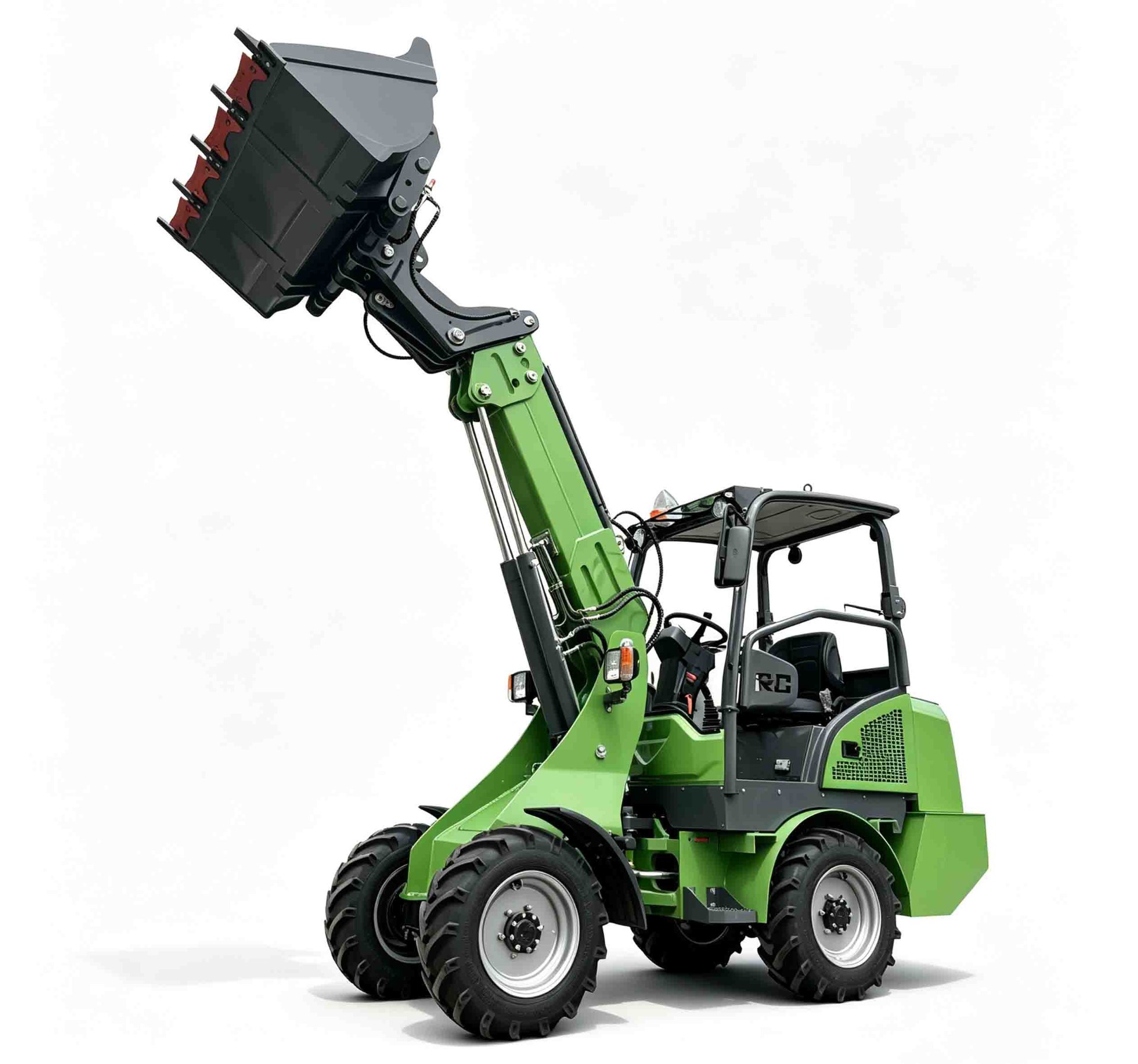
I、 The characteristics of working conditions in small factory areas determine the evaluation direction for overall machine matching
There are significant differences between small-scale factory operations and large-scale open-air material yards. The passages in the factory area are narrow, with frequent turns and U-turns, often requiring shuttling back and forth between workshops, silos, and storage yards; The types of materials are complex, sometimes sand and sawdust, sometimes bagged materials, and waste cleaning, often requiring switching of accessories; Strong continuity of homework, often using two shift rotation for work, with high equipment attendance requirements; Some factory areas belong to enclosed and semi enclosed spaces, with strict control over noise, exhaust, and dust.
The demand for equipment under factory conditions is comprehensive. Not only does it require sufficient digging force to handle different materials, but it also requires a compact and flexible body that is convenient for turning in narrow areas; We need to control energy consumption, reduce electricity costs in the factory area, and also consider the stability of long-term continuous operations; Human machine operation is friendly, and different operators can quickly get started. A single parameter is prominent and cannot meet the comprehensive needs of the factory area.
For example, a device with strong power parameters, but with a large turning radius and narrow passages in the factory area, it is difficult to turn around. Each time the vehicle is moved, it takes a lot of time, and even the strongest digging force cannot be exerted. The overall matching degree of the whole machine is poor. The power and size of the model are suitable, but the electro-hydraulic coordination calibration is poor, the composite action is sluggish, there is a lot of shoveling and scattering, and the operational efficiency is greatly reduced.
Integrated matching of the whole machine refers to the mutual adaptation of various subsystems of the whole machine, adapting to the site space, materials, and operation mode, with balanced performance and no obvious shortcomings.
II、 Assessment dimension one: Matching of overall size, maneuverability, and site space
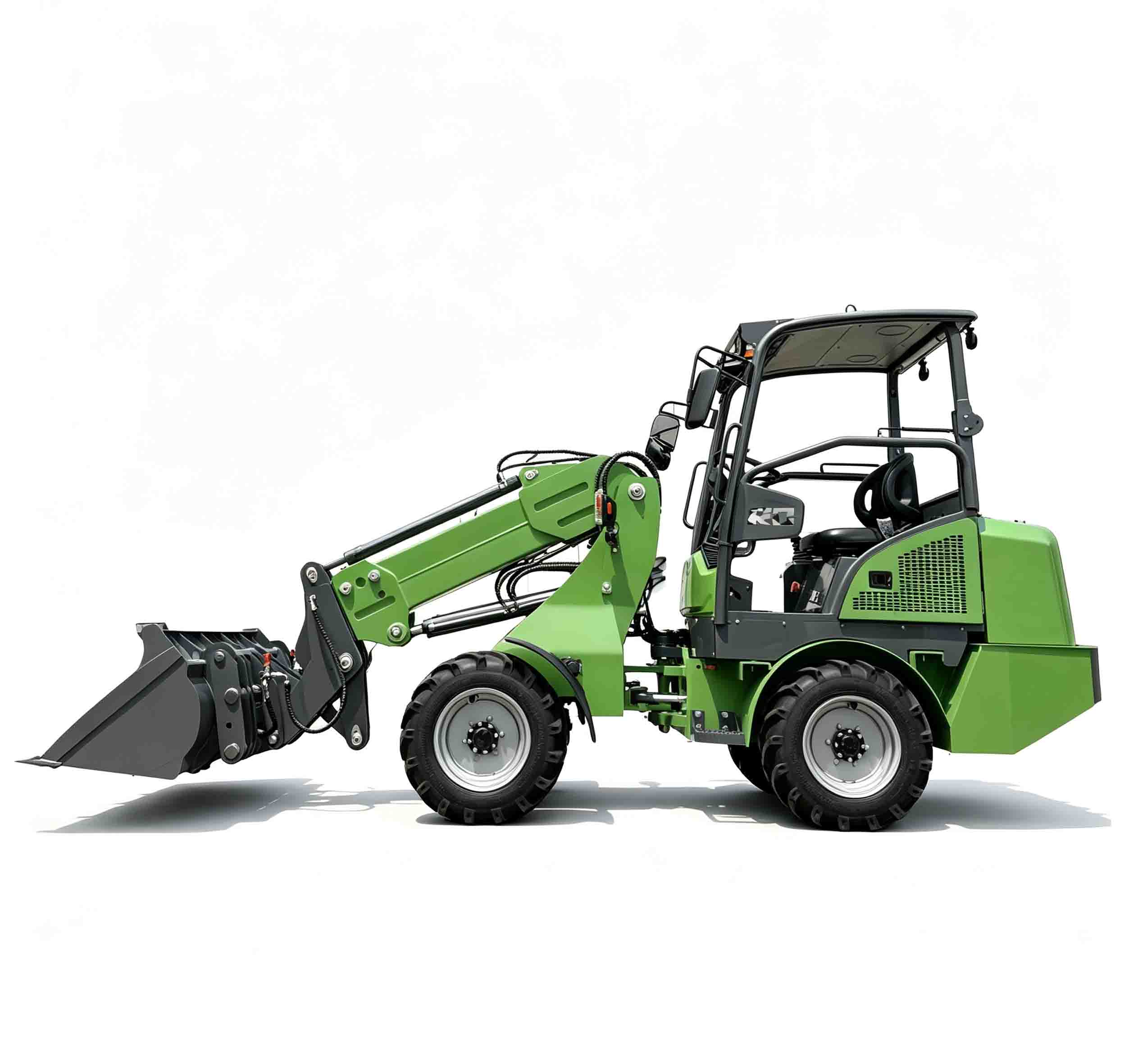
The factory first evaluates the geometric dimensions of the equipment and the suitability of the site. Measure the width of the factory passage, warehouse entrance, and turning area space, and verify the overall length, minimum turning radius, and overall width of the equipment. Many factory entrances and passages have limited width, and equipment with excessively wide shapes and large turning radii can lead to difficult passage, frequent scratches, and low operational efficiency.
Simultaneously inspect the articulated steering structure and adjust the steering system. The steering feel is light and heavy, the steering response speed, and whether the on-site fine-tuning is smooth. Working in a small factory area consumes a lot of time on alignment, steering, and moving the vehicle, and the maneuverability of the steering directly affects the overall work efficiency.
The overall weight of the machine is also an important factor in matching. Insufficient self weight, lifting the excavator head during excavation, causing tire slippage; Excessive self weight, insufficient ground bearing capacity, crushing the factory floor, and increased energy consumption during unloaded driving. It is necessary to combine the ground conditions of the factory area and the excavation requirements of materials to select suitable machine weights, in order to achieve a balance between self weight and excavation needs.
III、 Evaluation Dimension : Electromechanical and Hydraulic Matching between Three Electric Systems and Hydraulic Systems
Electric loaders rely on electro-hydraulic cooperation to complete shovel loading operations, including motors, batteries VCU、 The matching of hydraulic system is the core. When evaluating, do not look at the motor power and hydraulic pump displacement separately, focus on the power allocation logic between the two. Is the coordination between the walking power and hydraulic action during the excavation of composite actions, and will there be power competition between them.
The continuous discharge capacity of the battery needs to match the continuous power demand of the entire machine. If the hydraulic system requires high flow for a long time, the battery's continuous discharge capacity is insufficient, the operating voltage drops for a long time, and the overall power of the machine decreases. The hydraulic load sensitive system, in conjunction with the electronic control scheduling strategy, outputs flow as needed to reduce overflow energy consumption, which is the key to high-frequency cyclic operations in the factory area.
Many small factory equipment cycles hundreds of times a day, with poor matching of mechanical, electrical, and hydraulic systems, large overflow losses, high ineffective energy consumption, high electricity costs, and continuous heating of the system, accelerating component aging.
IV、 Assessment Dimension Three: Human Machine Engineering, Operation Adaptation, Multi Personnel Rotation in the Factory Area
The equipment in the factory area is often operated by multiple handwheels, and the technical level of the operators varies greatly. The overall operation feel, cab visibility, and joystick calibration directly affect work efficiency and safety. Whether the driver's cabin has a wide view and reduces scratches in narrow areas; Lightweight operation handle reduces fatigue during long-term work; The instrument information is clear, the fault alarm is intuitive, and the operator quickly identifies the equipment status.
The operating threshold should not be too high, and the calibration feel should not be too aggressive, as beginners are prone to control errors; It should not be too slow, as skilled operators have low efficiency in operation. Good human-machine matching, accommodating operators of different levels, and adapting to the multi shift rotation mode in the factory area.
V、 Assessment dimension four: Matching maintenance convenience with the factory operation and maintenance system
The number of operation and maintenance personnel in the factory is limited, and maintenance time is mostly arranged during production intervals. The overall maintenance design needs to be adapted to the maintenance conditions of the factory area. The filter element and oil maintenance points are centralized for quick inspection and replacement; The fault diagnosis system is complete, which can quickly locate faults and reduce troubleshooting time. Modular component design allows for separate disassembly and assembly of faulty components, eliminating the need for extensive disassembly of the entire machine.
Simultaneously evaluate the supply of accessories, in case of equipment failure in the factory area, the delivery cycle of accessories, and the speed of on-site after-sales response. The production continuity in the factory area is strong, and equipment downtime results in significant losses. After sales maintenance is an indispensable part of the overall matching of the entire machine.
VI、 On site comprehensive testing to verify the overall compatibility of the machine
The most effective way to evaluate the overall matching degree of the whole machine is to conduct on-site testing of the working conditions in the factory area and fully simulate the daily operation process. Complete the entire process of shoveling, transporting, unloading, and turning around in the real passages and material piles in the factory area, observe mobility, composite movements, energy consumption, and operational feel. Focus on whether the entire homework process is smooth, rather than the extreme performance of a single action.
Conclusion
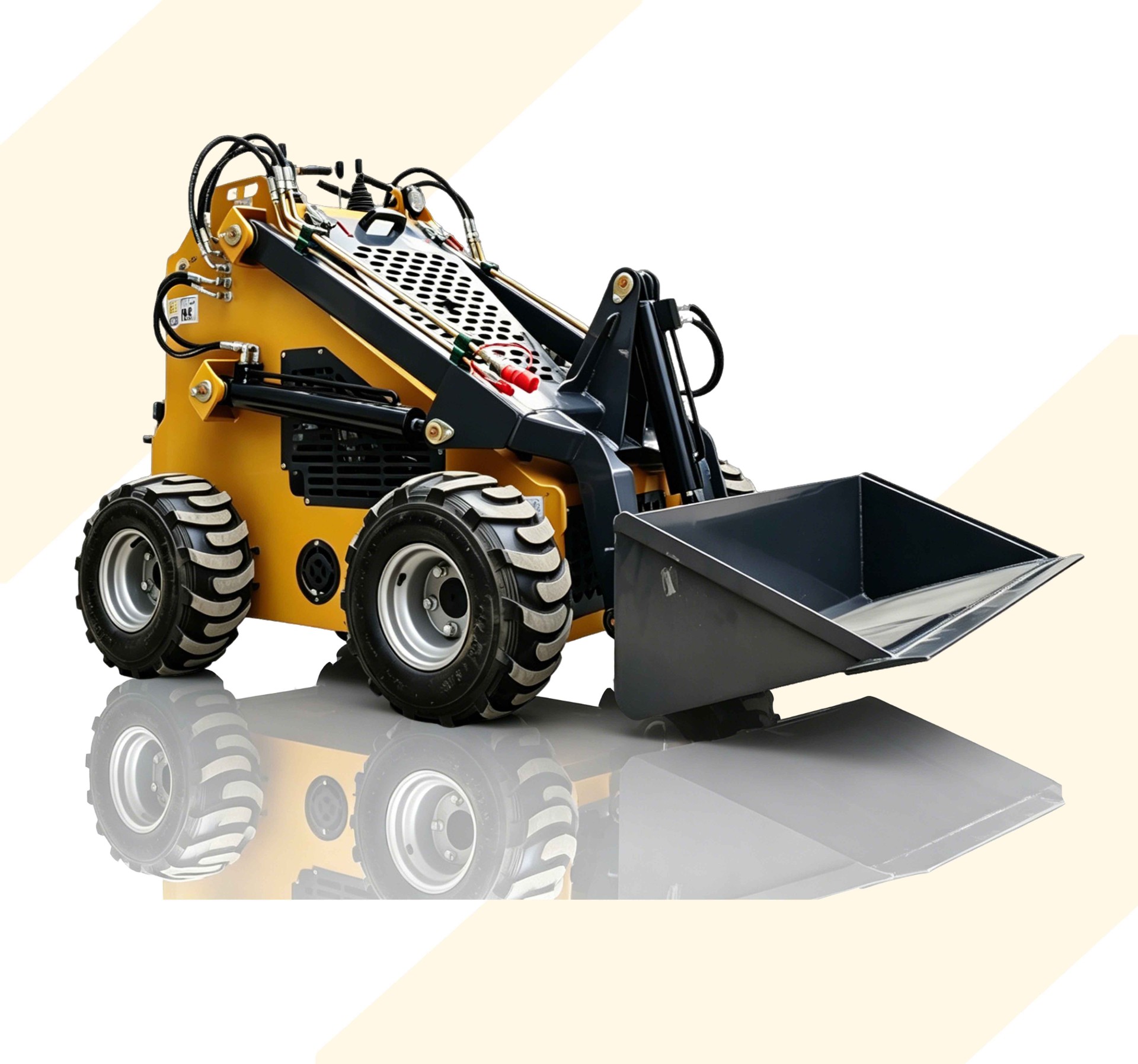
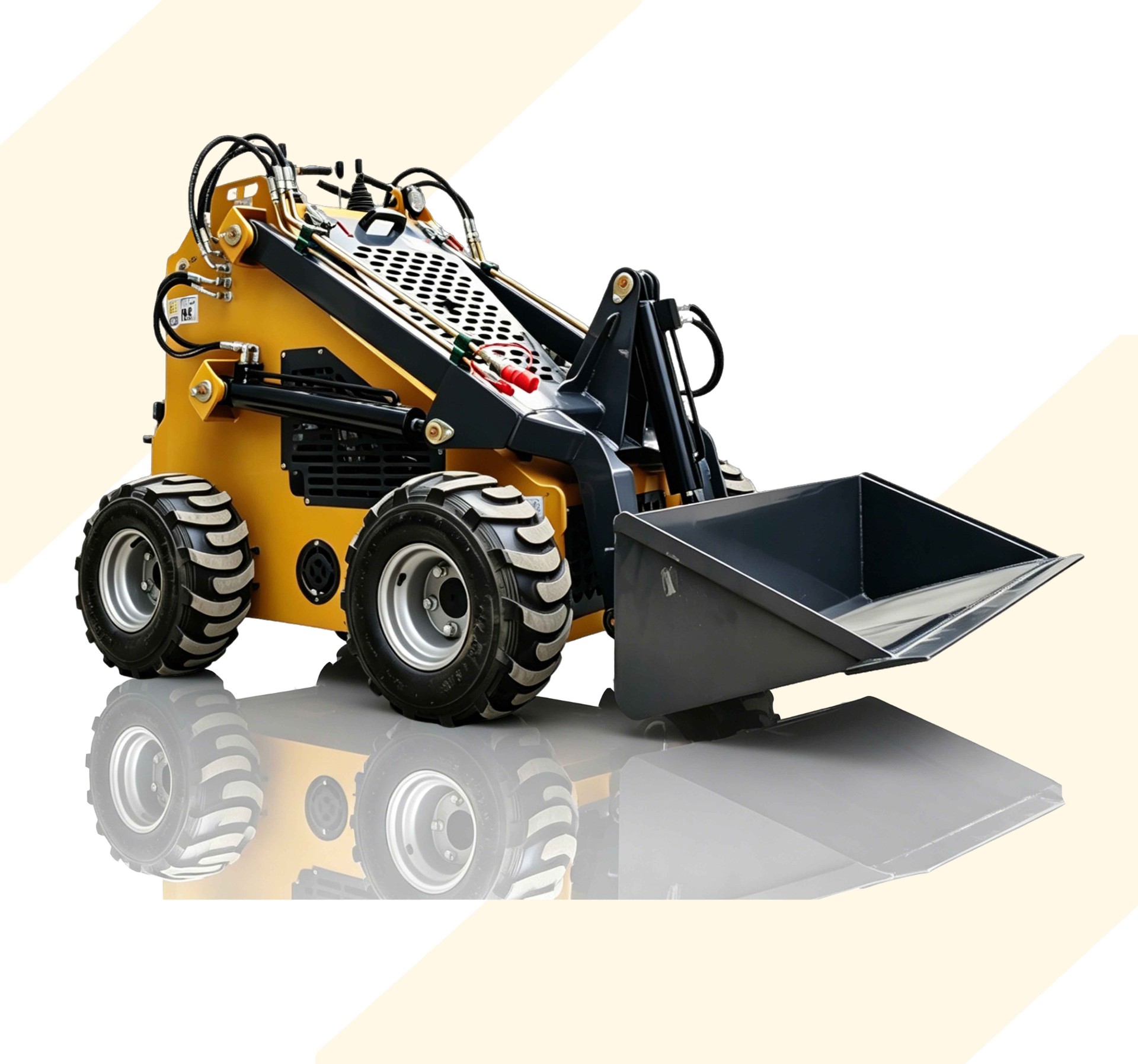
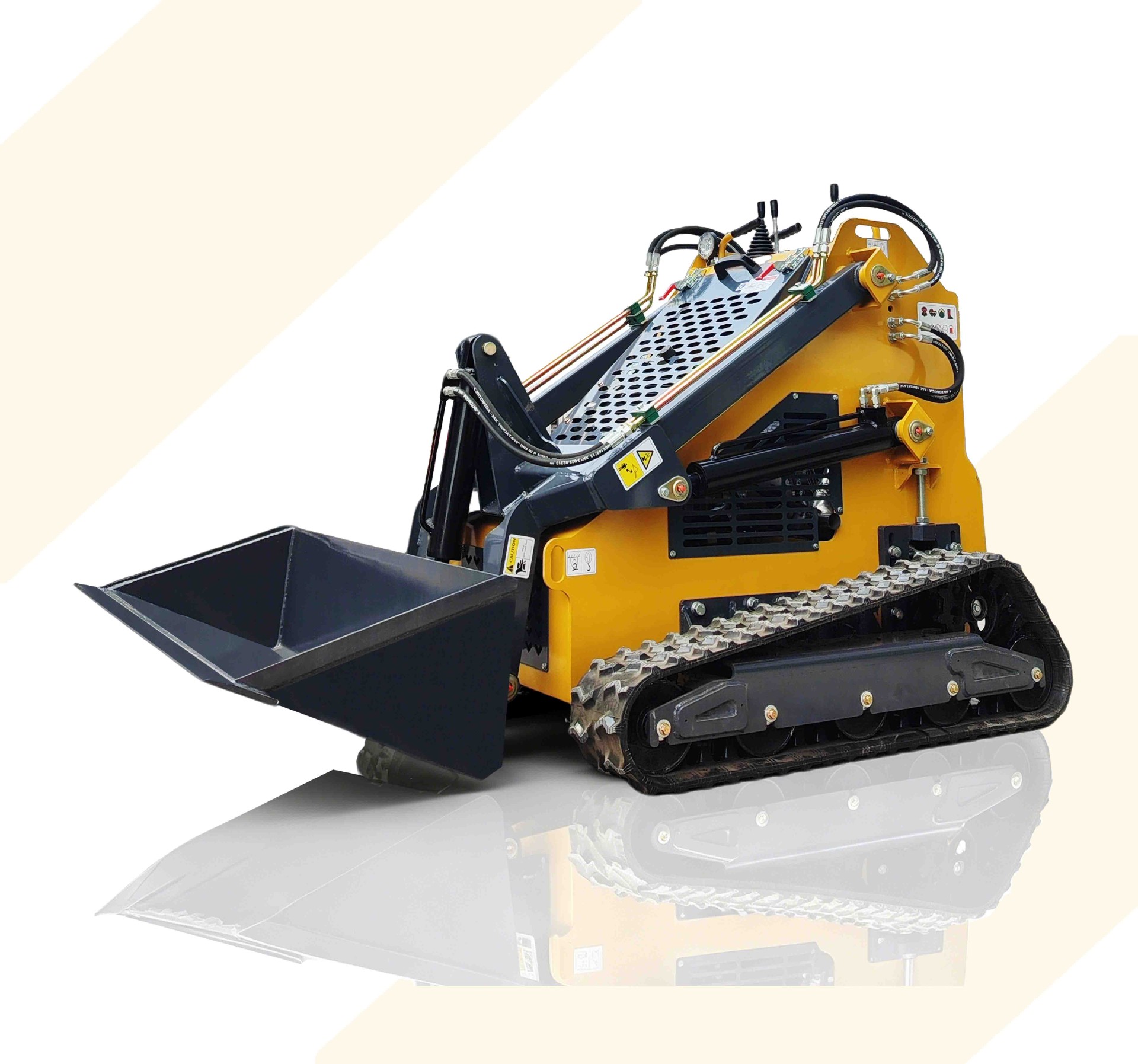
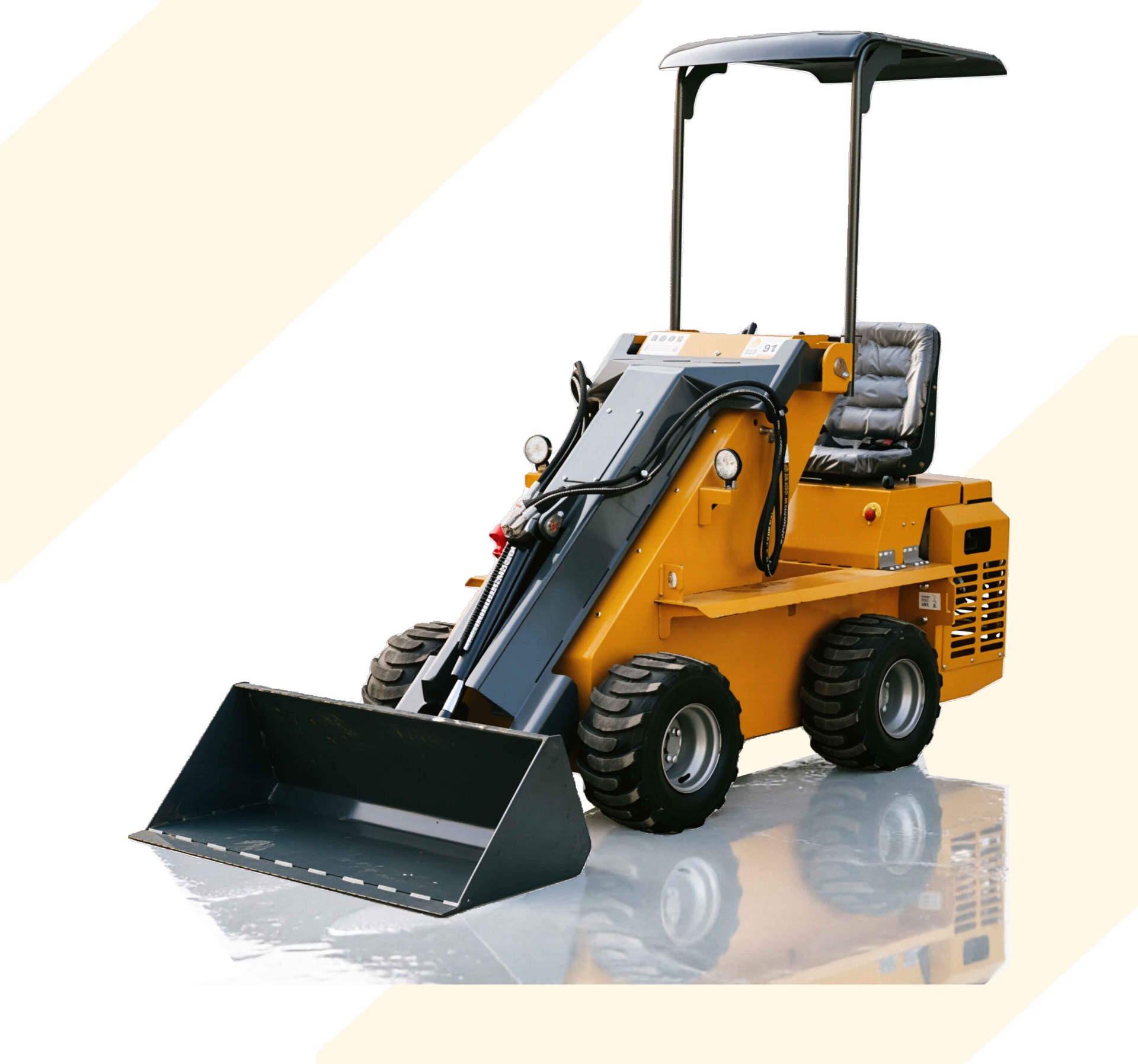
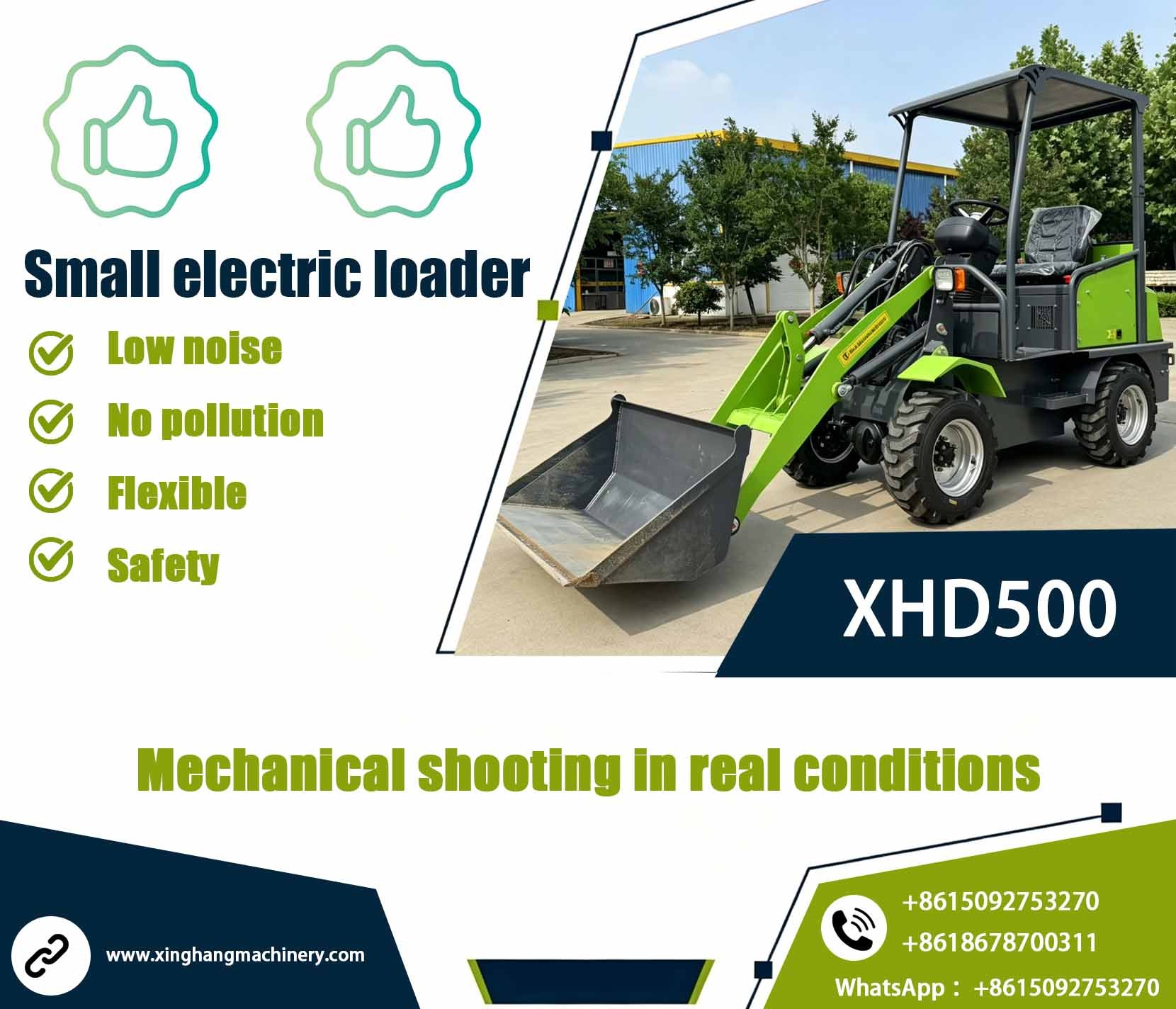
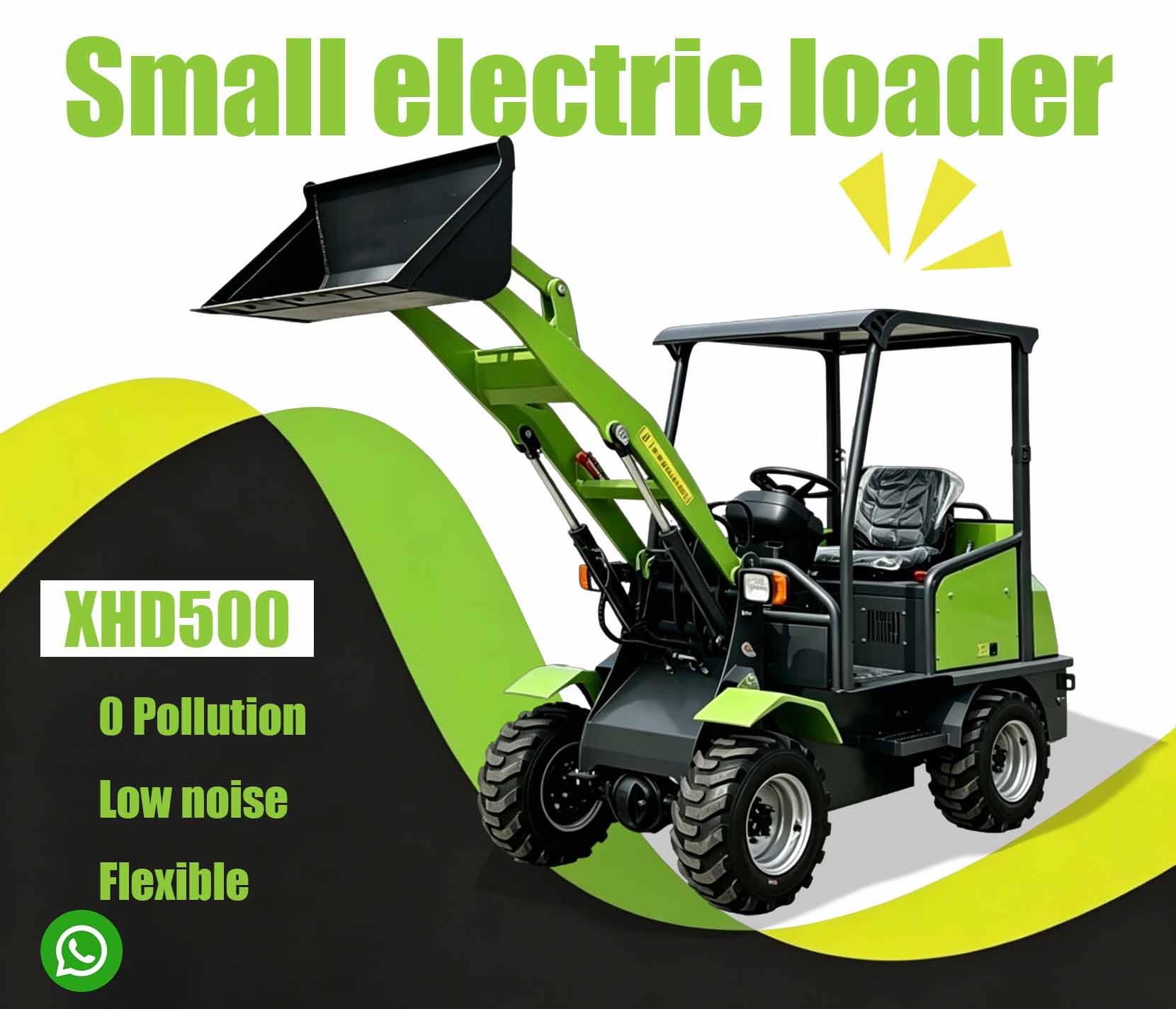
When selecting an electric loader for a small factory area, it is not advisable to evaluate individual hardware indicators in isolation. The overall compatibility of the entire machine is the core. The mobility of equipment appearance, mechanical, electrical, and hydraulic coordination, human-machine operation, and maintenance support are interdependent and coordinated from multiple dimensions, jointly determining the actual performance of equipment in the factory scene. Jining Xinghang electric loader is optimized for complex working conditions in small factory areas, taking into account maneuverability, loading capacity, energy consumption control, and user-friendly operation. It is suitable for the needs of multiple materials, narrow spaces, and multi shift rotation operations in the factory area, helping factory users choose small electric loaders with high comprehensive matching.