 Chinese
 English
 Russian
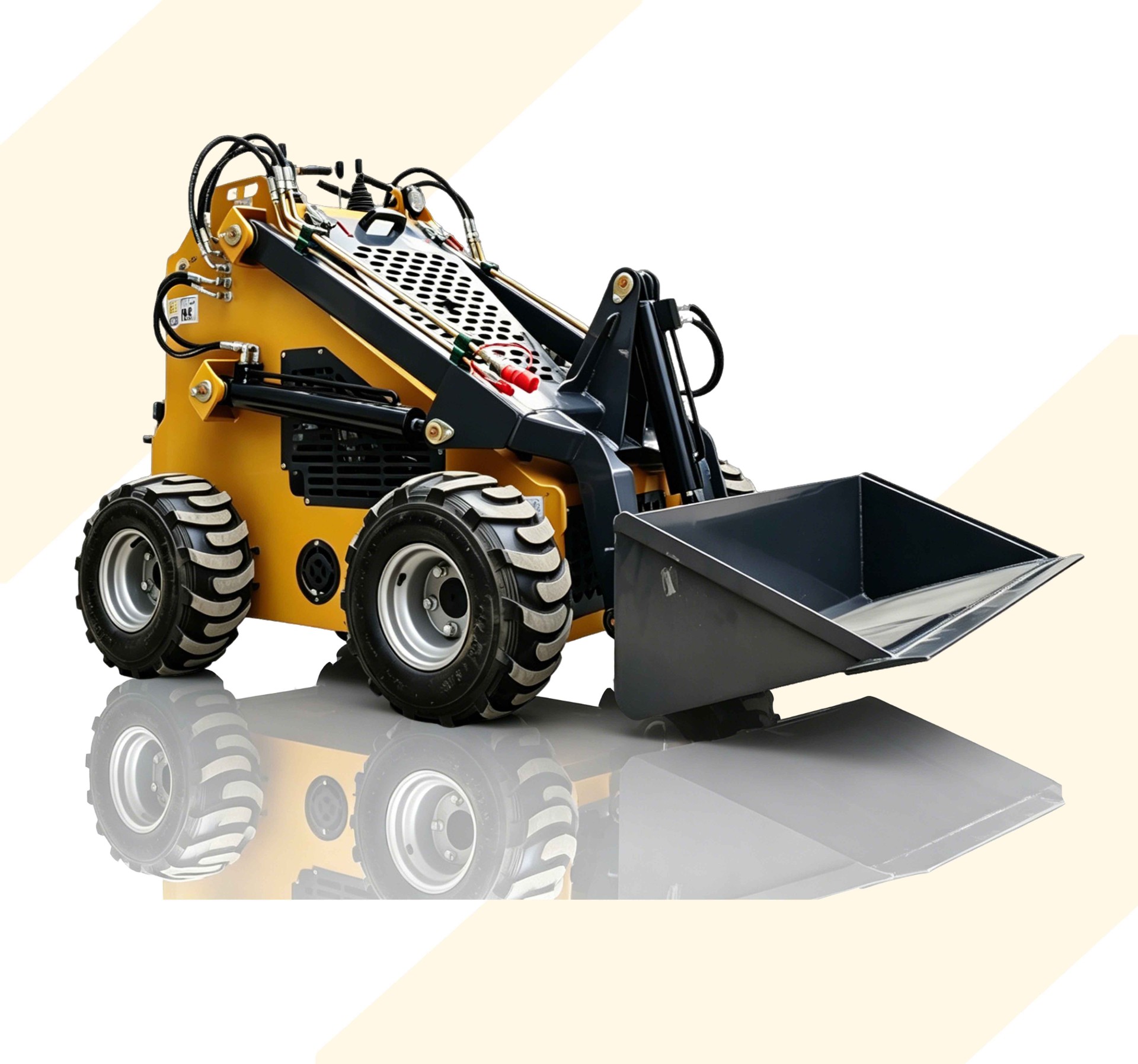
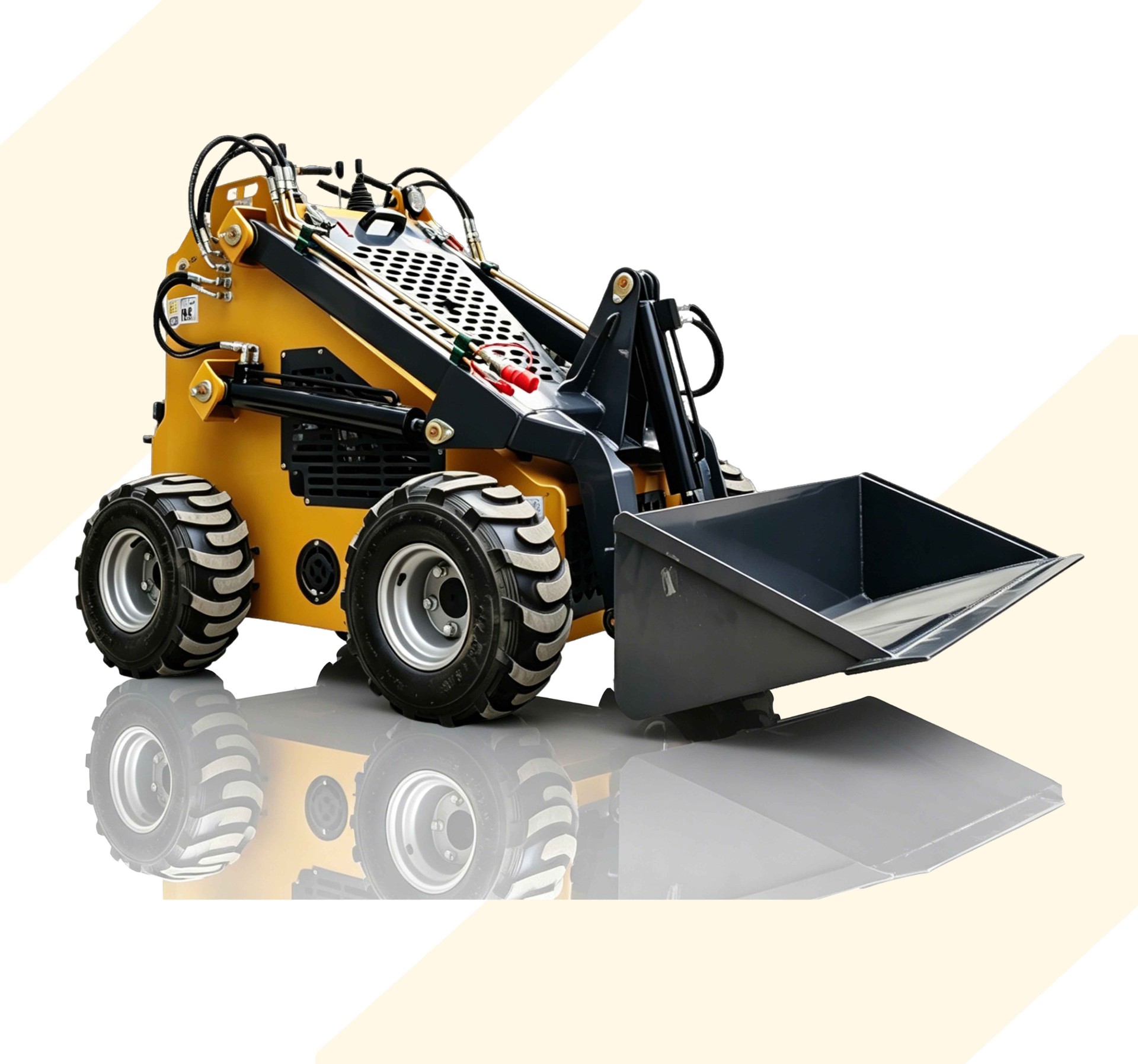
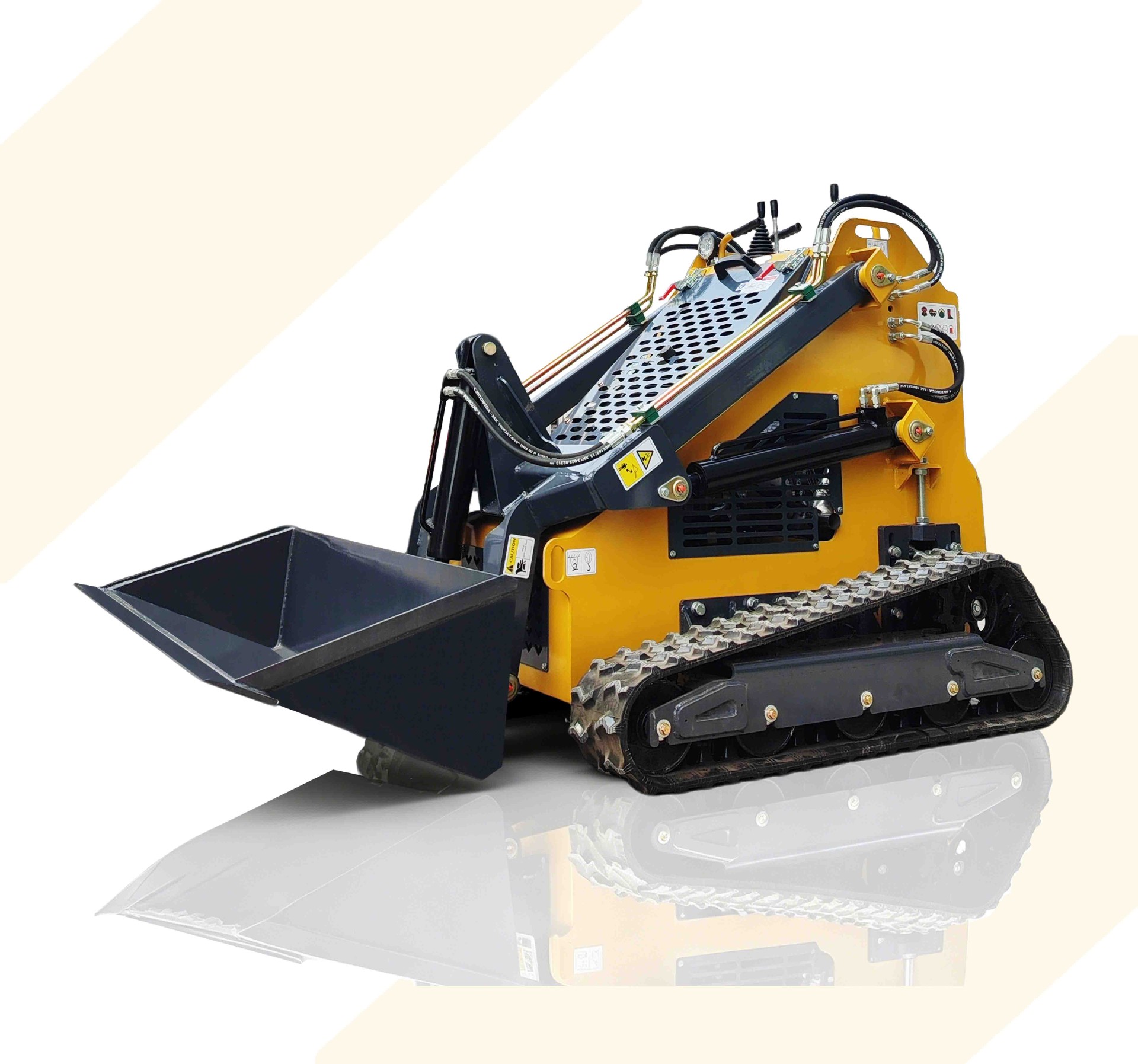
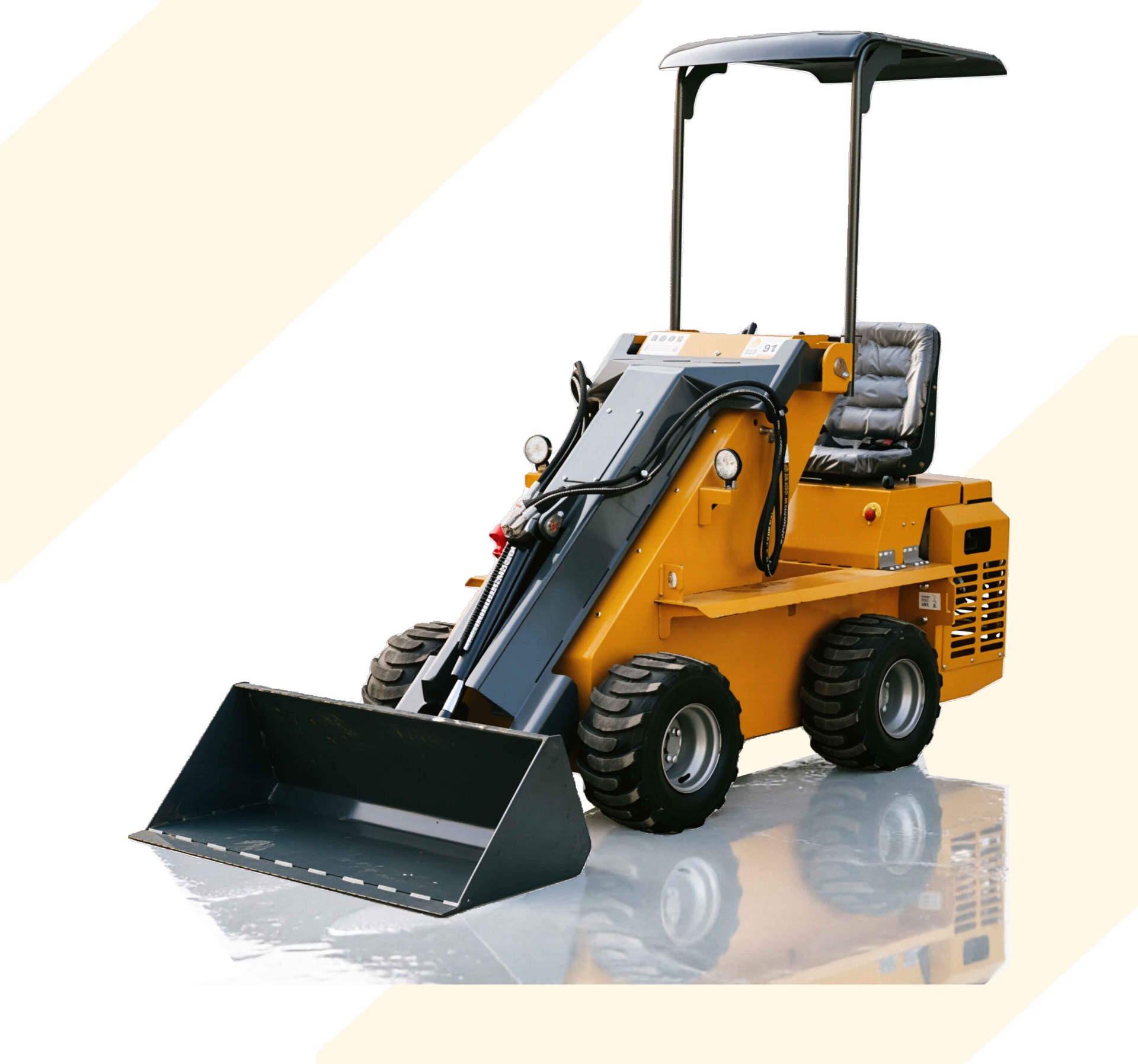
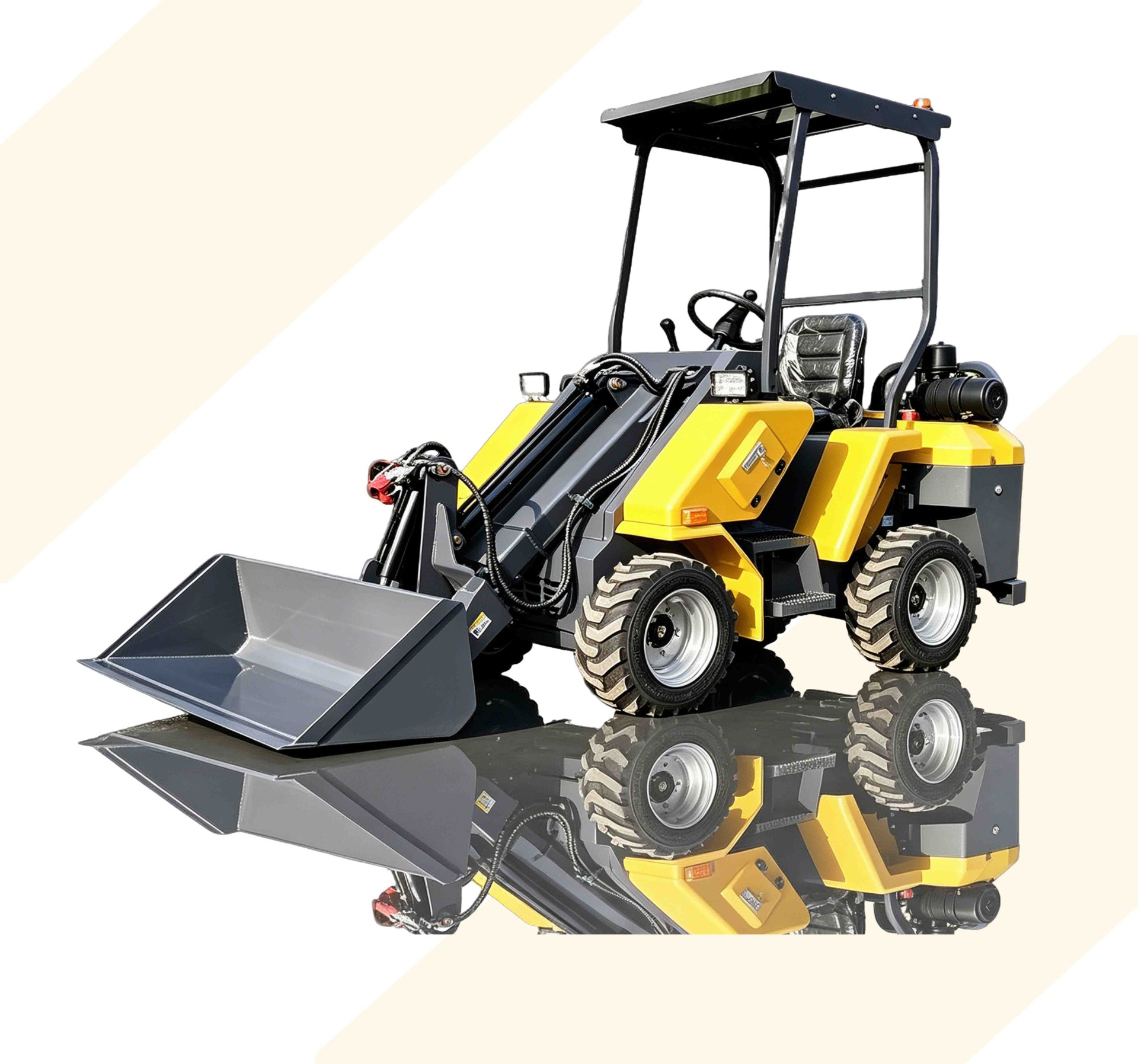
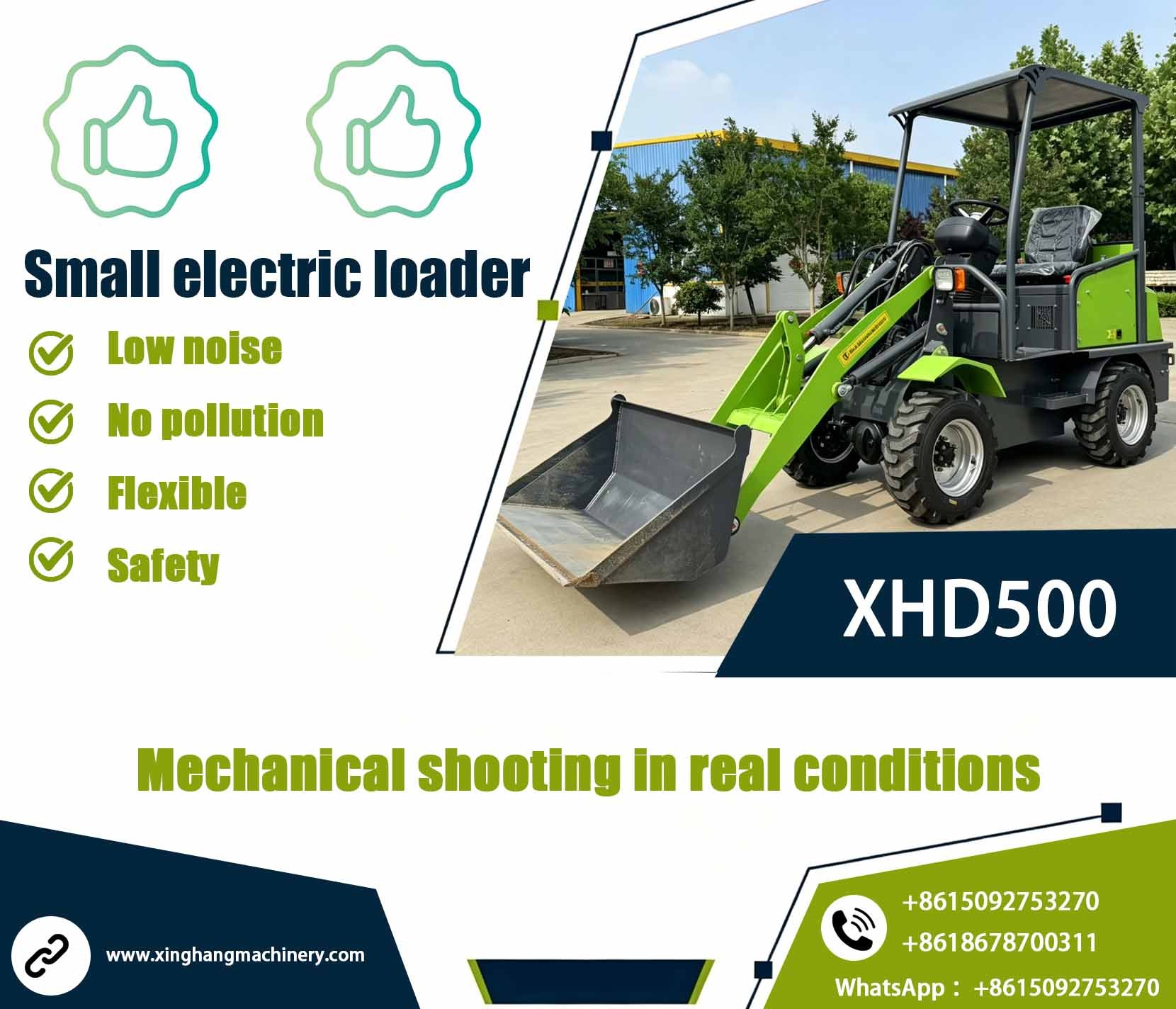
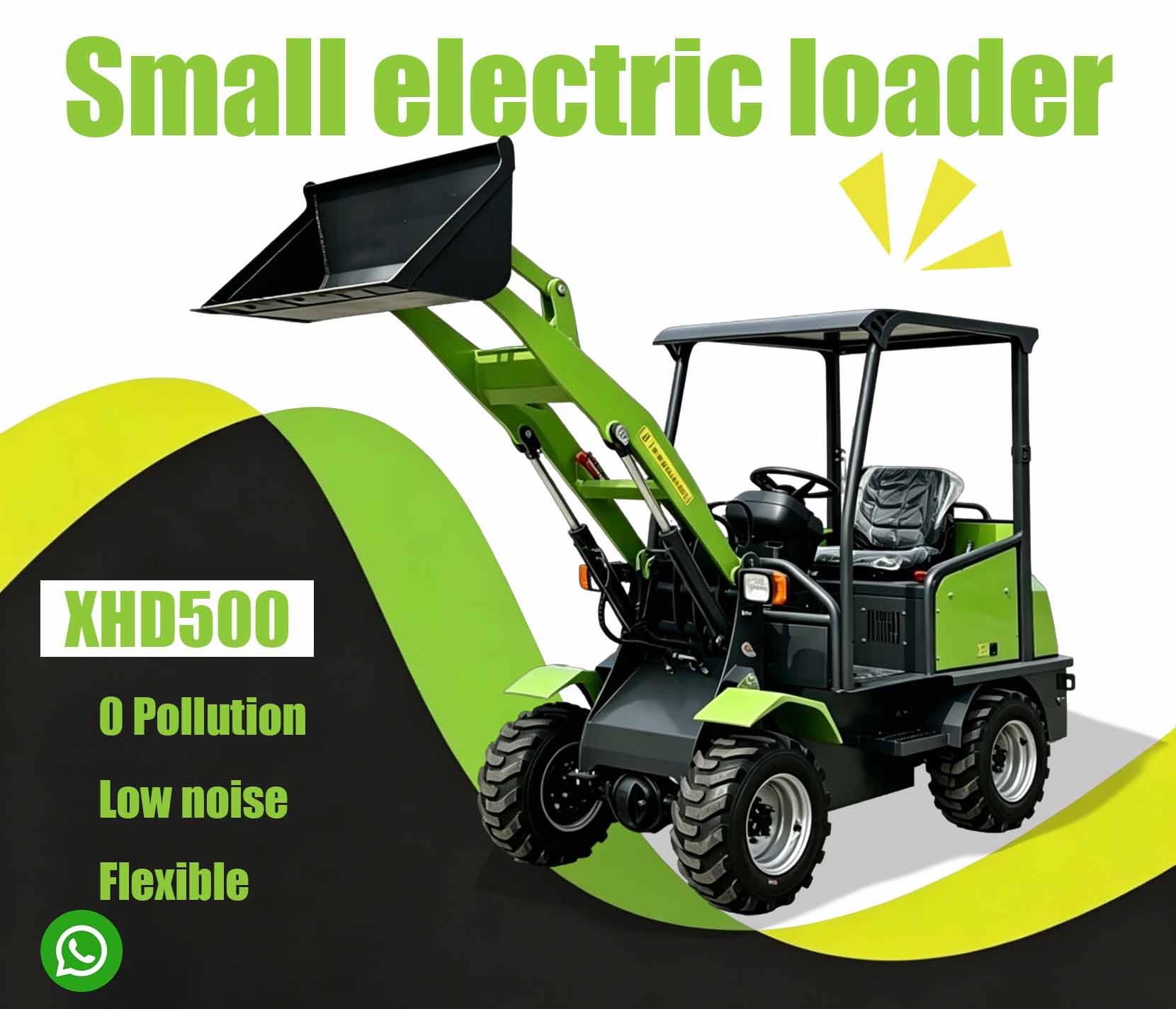
In sand and gravel yards, raw material warehouses, and stockpile areas within the factory premises, a significant amount of leftover materials often accumulates at the base of the stockpile walls, along the edges and corners of fences, and around the pillars. These materials are scattered and occupy confined spaces, making it impossible for large loaders to approach and operate. Manual cleaning is both time-consuming and labor-intensive, resulting in high labor costs. Ordinary small loaders, with their large turning radii and less flexible bucket posture adjustments, tend to scratch walls and pillars when cleaning up leftover materials. The buckets struggle to adhere closely to the ground, leading to incomplete cleaning of the bottom materials and inefficiencies in repeated operations. While clearing leftover materials may seem straightforward, it actually tests the comprehensive capabilities of the entire machine's slewing performance, bucket motion control, and overall size matching. Jining Xinghang electric loaders have undergone specialized optimization for the scenario of clearing leftover materials in stockyards, addressing the pain points of cleaning materials in narrow and cornered areas. This optimization enables ground-adhering material cleaning, reduces residue, and enhances the efficiency of corner operations.
I.The difficulties in clearing materials from the corners of the material yard, and what are the shortcomings of ordinary small loaders
There are several operational constraints commonly found in the corner areas of the material yard: limited space, with one side being a wall or concrete column, which restricts the turning space for operations; materials are piled up in the corner, with the bottom touching the ground, requiring the bucket to approach the ground to cut into the materials; frequent fine adjustments to the body posture are needed during operations, with the bucket gradually advancing to scoop up loose materials; there are fixed obstacles in the yard, which can easily cause scrapes and damage to walls or equipment if the equipment's maneuverability is poor.
Many small loaders on the market are converted from fuel-powered models to electric ones. The entire slewing structure follows the design of older fuel-powered models, resulting in a relatively large turning radius. This makes it difficult to adjust the angle in place at the corner of a wall, requiring multiple advances and retreats to maneuver. Each material removal operation can only scoop up a small amount of material, necessitating repeated back-and-forth operations, which consumes a lot of time. Additionally, the hydraulic system responds with a delay, and the linkage between the bucket's retracting and lifting actions is not smooth enough. This makes it difficult for operators to precisely control the bucket angle. As a result, the bucket may tilt up, leaving the bottom material uncleaned, or the bucket angle may be too low, causing it to scratch the ground and wear down the bucket's bottom plate.
Although some models have a small body size, they have a long front and rear overhang, which makes the front or rear of the vehicle prone to protruding when operating close to walls, causing scratching on fences and pillars. The design of the bucket hinge point is unreasonable, and the adjustment range of the bucket angle is limited when working close to the ground. A layer of material remains at the bottom of the wall corner, which can only be manually collected with a shovel, making it impossible to achieve one-time mechanized cleaning. The repeated maneuvering and fine-tuning operations over a long period of time result in high labor intensity for the operators, and continuous work is prone to fatigue.
II. Optimization of overall dimensions and slewing structure of Jining Xinghang electric loaders, suitable for narrow and small corner spaces
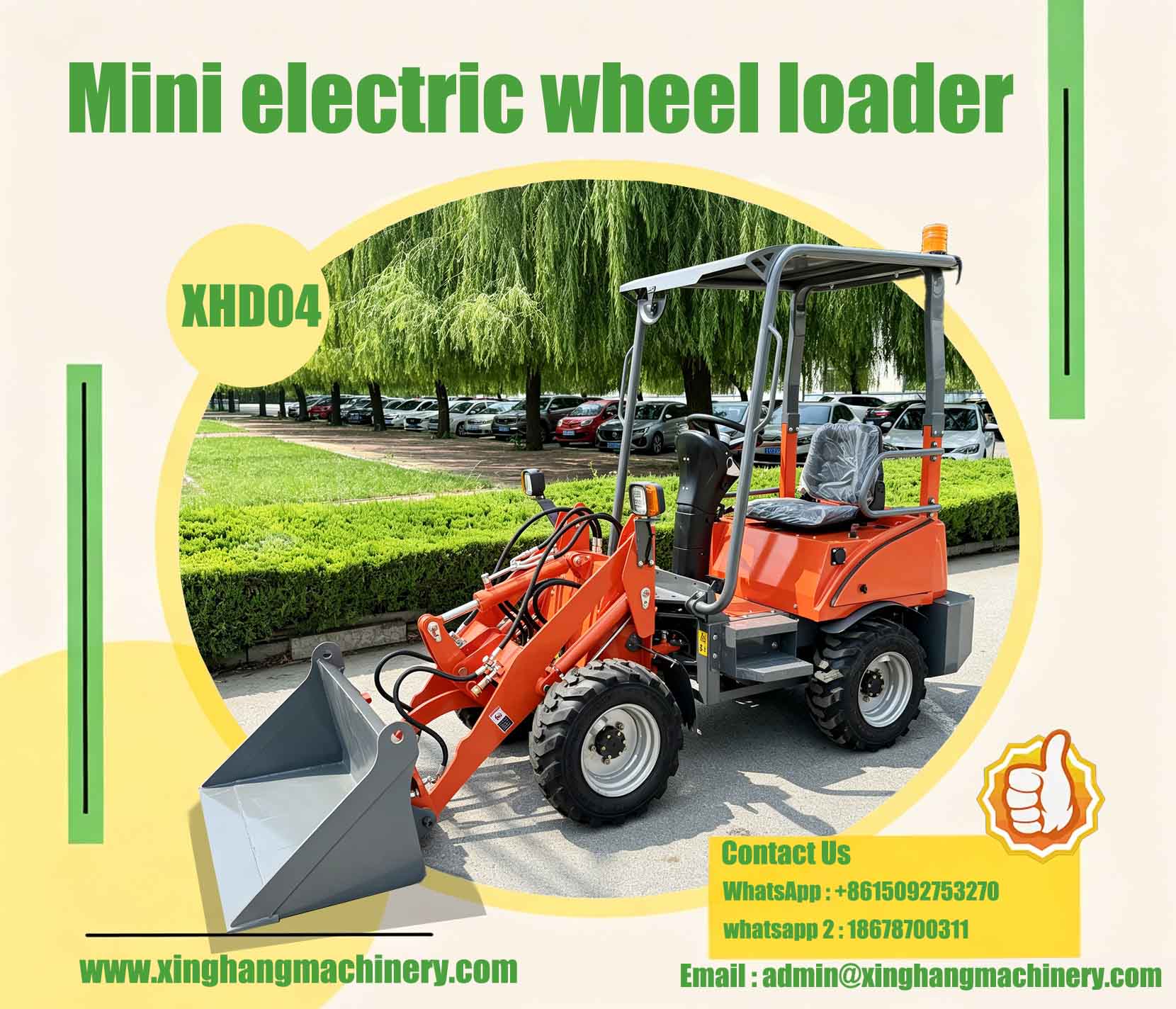
In response to the limited space constraints of corner operations, Jining Xinghang optimized the overall contour of the machine during the development stage of the original chassis, shortening the length of the front and rear suspensions, controlling the turning radius of the entire machine, and enhancing the steering flexibility of the body. In confined spaces near walls and columns, the equipment can adjust its body posture at a small angle without requiring extensive backing and maneuvering. Operators can make minor adjustments to the direction in place, allowing the bucket to target the material piled up in the corner, reducing ineffective movements during advancing and retreating.
The articulated slewing structure has undergone special tuning, ensuring a smooth and seamless steering process with responsive steering. The steering wheel operates with moderate torque, reducing the operator's hand burden during frequent small-angle steering. The overall wheelbase and axle base have been designed to balance flexibility in narrow spaces with operational stability. When operating near a wall on one side and under heavy loads of scraping corner materials, the machine maintains stability without shaking.
III. Optimize the control of bucket action posture to achieve ground-contacting material clearing and reduce material residue
The core difficulty of edge and corner material clearance lies in the precise control of the bucket's posture. Jining Xinghang has conducted calibration and optimization of the electro-hydraulic control system, enabling more delicate flow control for bucket lifting, retracting, and leveling actions, and supporting micro-adjustment operations. By gently pushing the joystick, operators can make small adjustments to the bucket angle, precisely leveling the bucket to closely contact the ground and advancing along the wall corner to scoop up the residual scattered material at the bottom, minimizing material residue at the wall base.
The bucket linkage mechanism has been optimized to expand the adjustment range of the bucket angle, ensuring good bucket retracting ability under low-lying ground conditions. When the bucket of a conventional loader is flattened for advancing, the retracting torque is insufficient, and materials are prone to falling off from the rear of the bucket. Jining Xinghang has optimized the linkage transmission ratio, maintaining sufficient retracting force even in low-lying scraping conditions, preventing bulk materials from easily falling off and increasing the amount of material scooped per operation. The bucket blade is made of wear-resistant steel, with a flat and straight edge, allowing it to closely adhere to the ground during low-lying operations and scrape off thin layers of accumulated materials on the ground.
IV. Optimize the details of human-machine control to reduce the threshold for precise operations in corners and edges
Edge and corner material removal is a delicate task that requires continuous observation of the distance between the bucket and the wall, frequent fine adjustments to the direction and bucket movements, and a high level of operational proficiency. Jining Xinghang has optimized the layout of the cab's view, lowered the lower edge of the cab's front windshield, and reduced the blind spot of the A-pillar, allowing operators to clearly observe the bucket blade and wall corners, intuitively judge the distance between the bucket and the wall, and reduce the risk of scraping caused by visual blind spots.
The pilot joystick features lightweight operating force, with its travel calibrated to provide a soft and smooth feel for micro-motion control. When performing precise material clearing, a slight push on the joystick allows for gradual control of hydraulic actions, eliminating sudden jerks that may occur. Even novice operators can gradually master the technique of clearing edges and corners. Additionally, it is equipped with motion buffering logic, which slows down the impact when the bucket is lifted and lowered into place, preventing material scattering or the bucket hitting the ground due to impact.
Conclusion
The clearance of materials at the edges and corners of the stockyard may seem like an auxiliary task, but it has long occupied space and required operational and maintenance manpower. Traditional small loaders, limited by their slewing structures, bucket linkages, and hydraulic controls, struggle to efficiently clear materials precisely at the corners. Jining Xinghang electric loaders have undergone targeted multi-dimensional optimizations in terms of the overall slewing structure, bucket linkage mechanism, electro-hydraulic micro-motion control, and cab visibility, solving the problem of clearing materials piled at the edges and corners of narrow spaces. This allows small electric loaders to not only perform their primary tasks of shoveling, loading, and transporting materials but also efficiently handle precise clearance at the edges and corners of the site, fully unlocking the value of the equipment.