 Chinese
 English
 Russian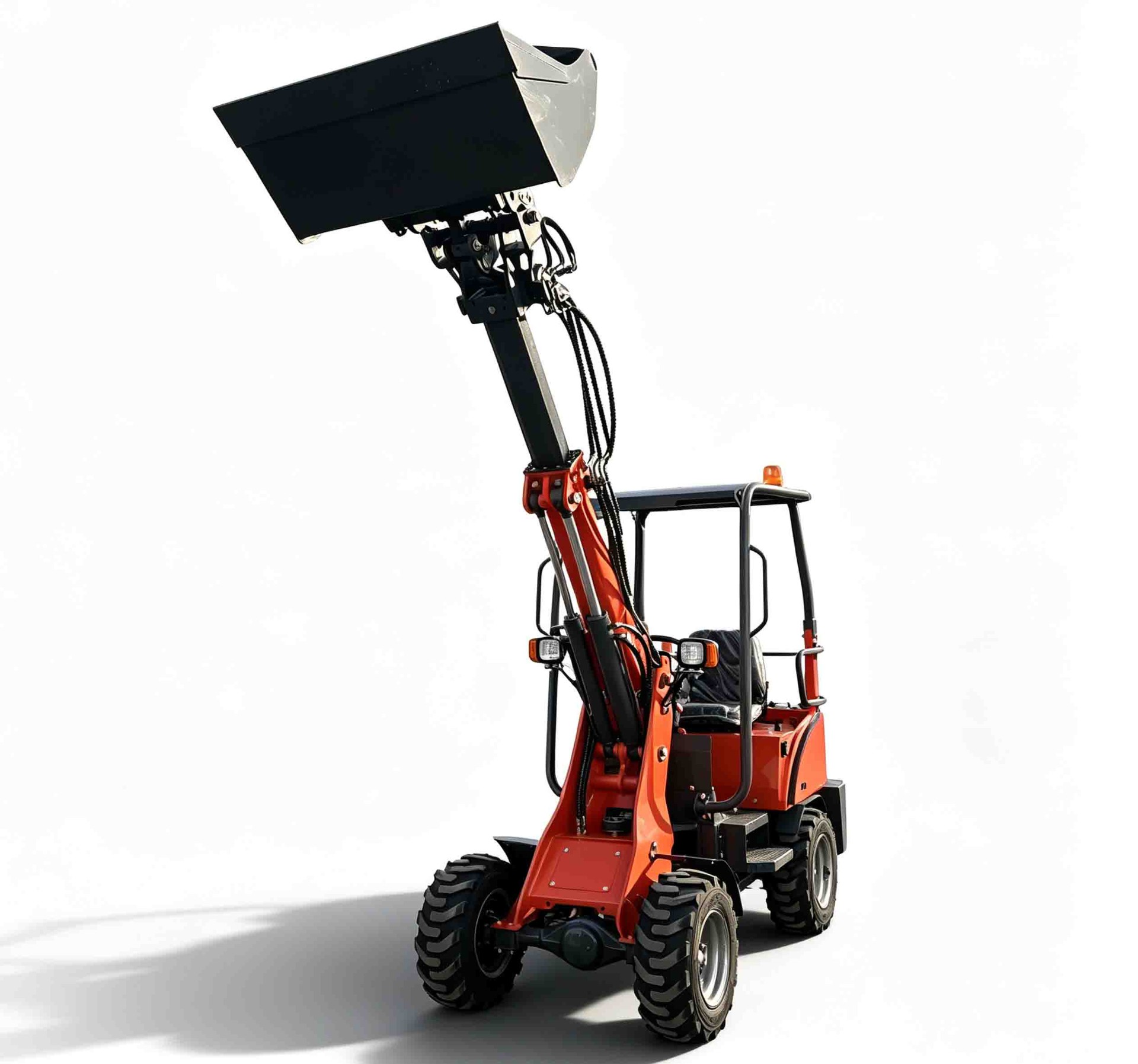
It is difficult to achieve hardened and leveled ground in temporary work areas, sand and gravel storage yards, and agricultural and pastoral areas on construction sites, where potholes, slopes, and soft soil surfaces are common. When loaders operate in such sites, they must complete material shoveling while driving, and the uneven ground constantly imposes lateral and vertical impacts on the entire machine. Equipment stability not only means not toppling over in a static state, but also maintaining controllable posture throughout the entire process of driving bumps, shoveling forces, and slope operations. Many equipment perform well in level ground tests, but when transferred to potholed sites, they are prone to problems such as large body shaking, material slipping, and center of gravity deviation during slope operations. The overall stability of the machine is a comprehensive result of the coordinated design of chassis structure, counterweight distribution, and travel power.
Operations on uneven terrain, multiple factors affecting equipment stability
When driving on uneven terrain, the tires follow the terrain undulations, and the frame bears alternating bumps and loads. If the frame rigidity and shock absorption design are insufficient, the body will shake violently, making it difficult for the bucket to maintain a horizontal position. When shoveling material, the material is prone to scattering, and the operator continuously has to counteract the shaking, leading to strong fatigue during prolonged operation. The bumps and impacts will also be transmitted to the three-electric components, with electrical connectors and battery modules continuously enduring vibration, increasing the risk of electrical failure.
The stability contradiction becomes more prominent during shoveling operations. When the bucket cuts into the material pile, the material generates a counter-resistance, which can exert backward and upward forces on the entire machine. The uneven ground conditions result in inconsistent tire contact states, with one side of the tires experiencing greater force and the other side less, which can easily lead to unilateral slipping and cause the entire machine to sway. In slope operation scenarios, the center of gravity will shift according to the slope. If the counterweight layout is not reasonable, there is a potential risk of forward tilt or rollover when lifting heavy loads.
The logic of travel power distribution also affects stability on complex terrain. When a single tire sinks into a pit and slips, conventional models continue to output power to the slipping wheel, exacerbating tire wear through idling and causing the entire machine to be unbalanced. Without proper power adjustment, it is difficult for the equipment to travel stably on alternating soft and hard, uneven terrain.
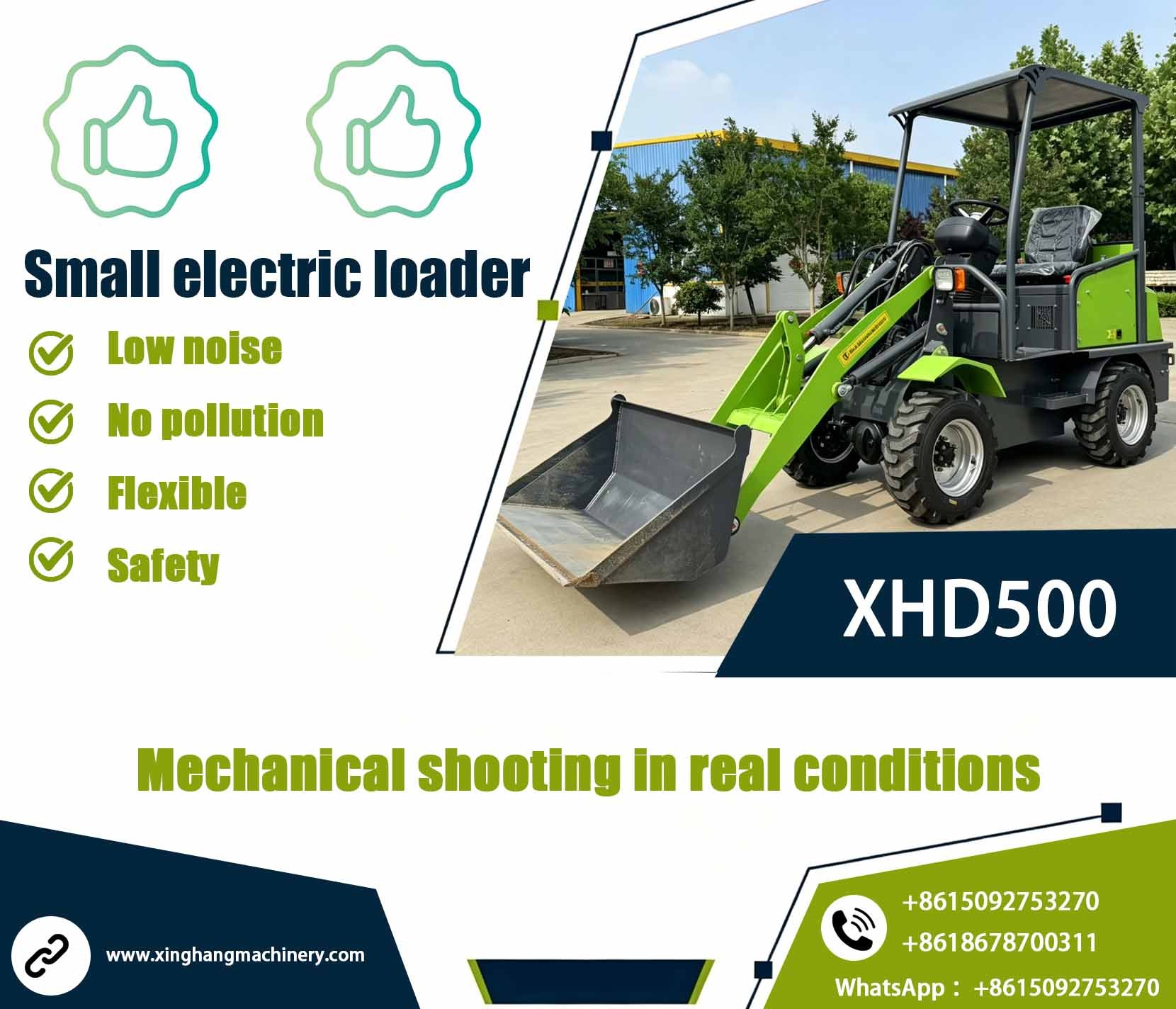
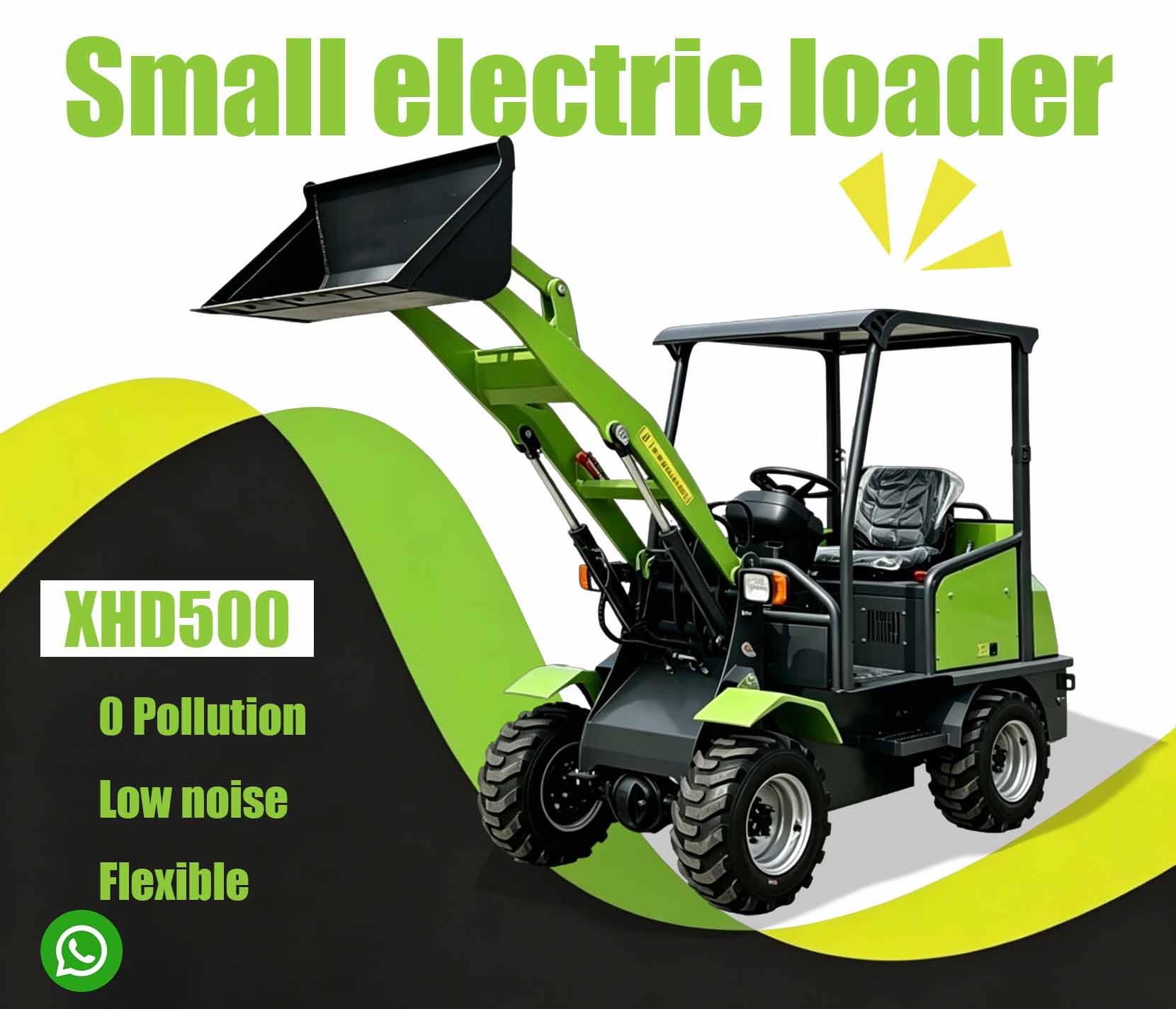
Jining Xinghang electric loader, building overall stability from multiple dimensions
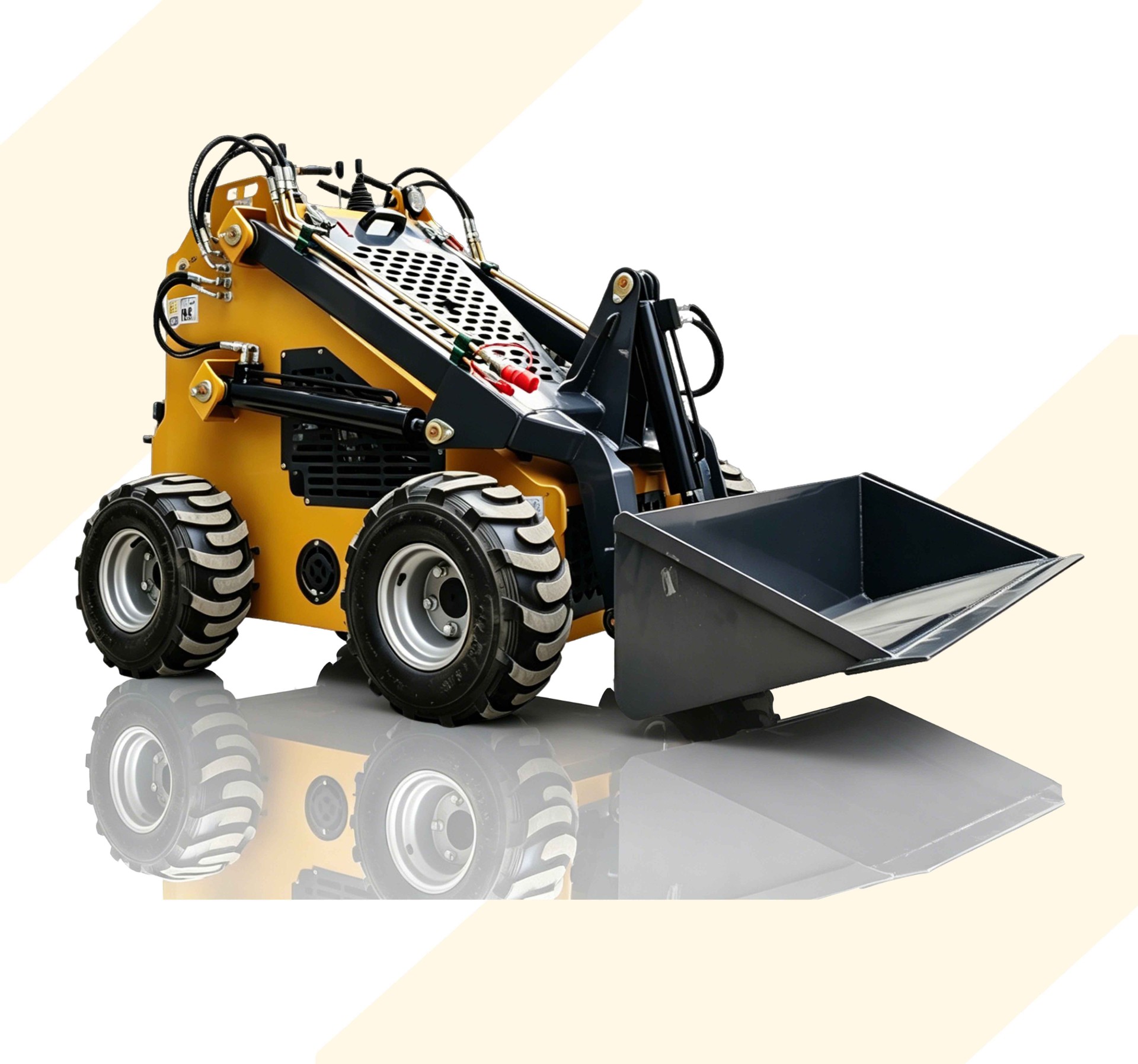
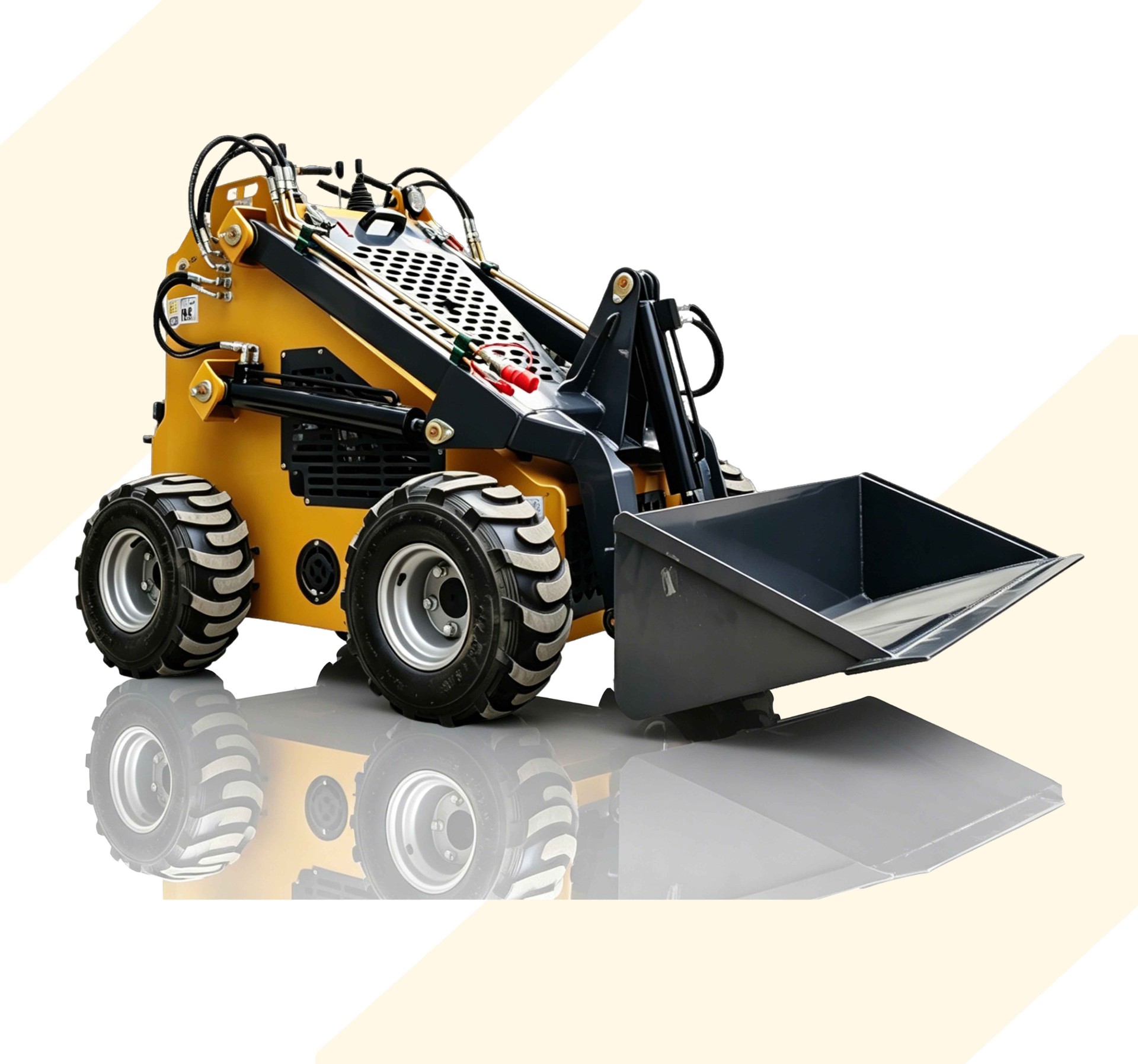
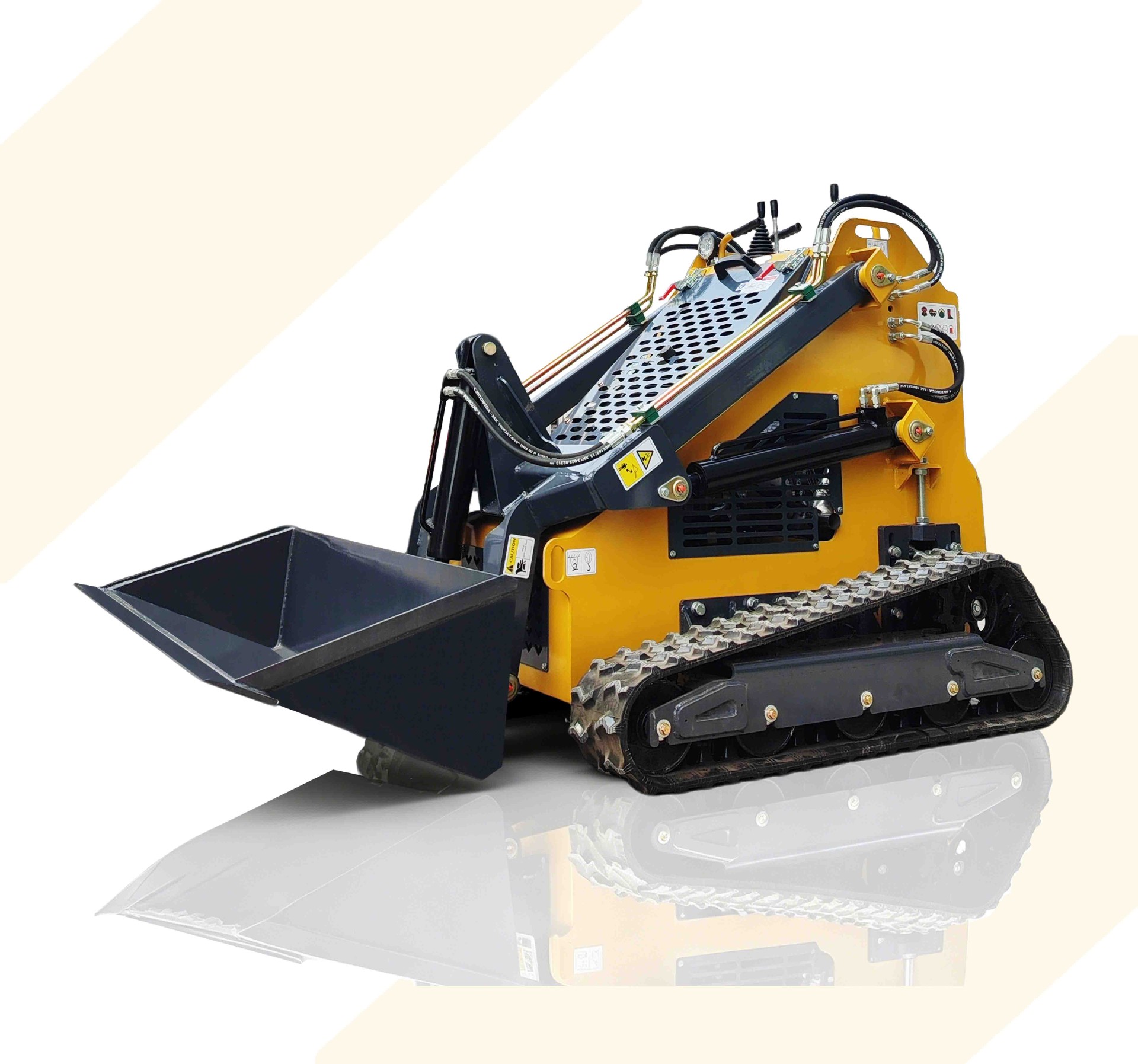
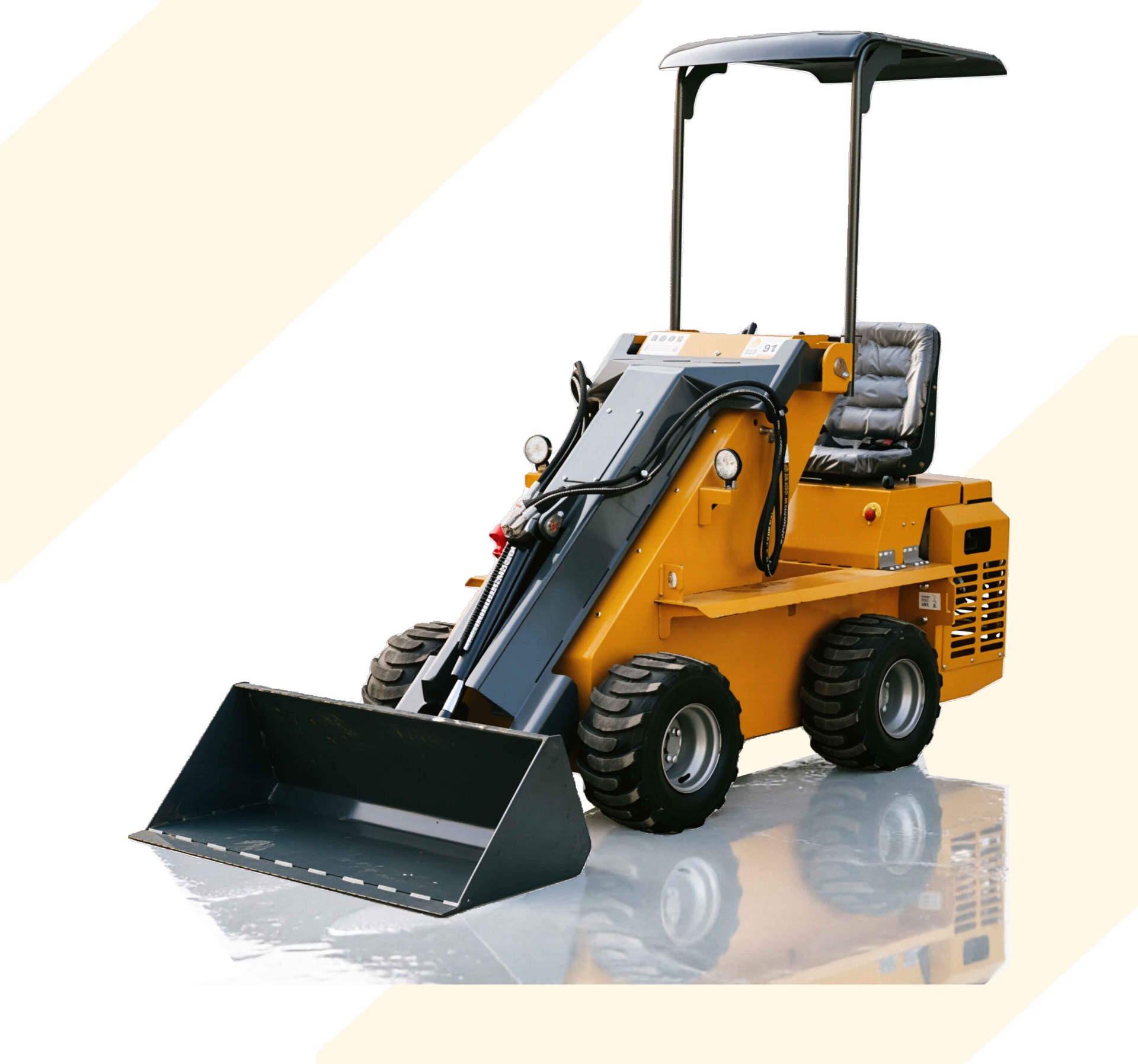
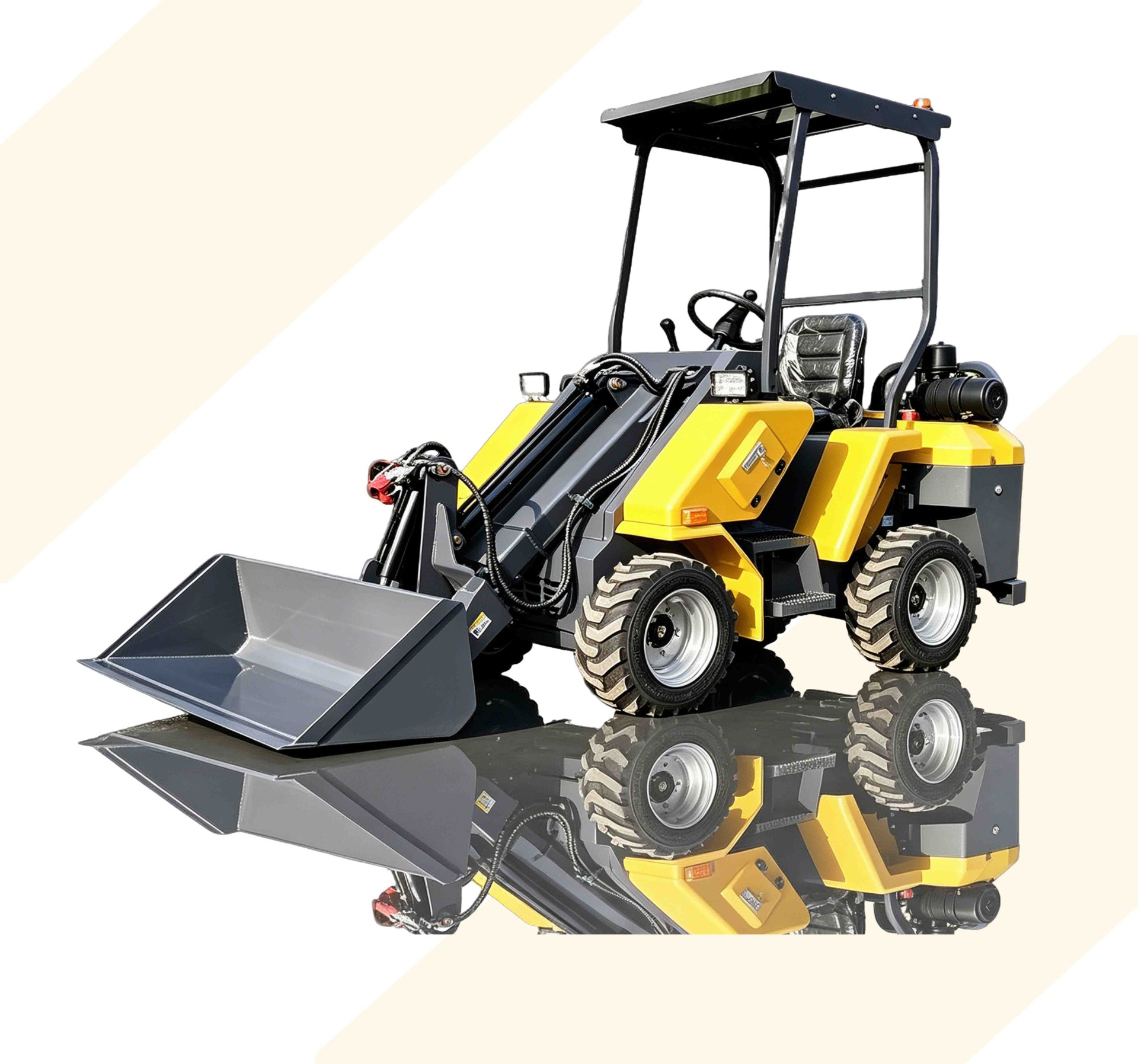
At the chassis frame level, Jining Xinghang Electric Loaders optimize chassis rigidity and enhance the frame's torsional resistance. When the tires on both sides of uneven roads are at different heights, the chassis will bear torsional loads. A high-rigidity frame can suppress frame twisting and deformation, maintain the overall structural stability, and reduce body sway. At the same time, the arrangement of articulation points is optimized to enhance the posture control ability during body sway. Under bumpy conditions, the amplitude of the boom and bucket fluctuations with the body decreases, facilitating the driver's control of the bucket posture.
The overall weight distribution scheme has undergone multi-scenario simulation and calculation, optimizing the height of the center of gravity in combination with the layout characteristics of the electric motor-type battery. If the center of gravity is too high, stability decreases during bumps and heavy lifting; if it is too low, it affects the ground clearance, and the chassis is prone to scratching on uneven ground. Jining Xinghang has found a balance between shoveling capacity, ground clearance, and overall center of gravity, reasonably arranging the positions of batteries and counterweights, and optimizing the load distribution between the front and rear axles. During the process of shoveling material into piles and lifting material on slopes, the range of center of gravity deviation is controlled to enhance operational safety redundancy.
The walking power control system is adapted to uneven ground conditions. When the equipment travels on pitted roads and one side of the tires slips, the system can identify the difference in wheel speed, adjust the power output, reduce the power supply to the slipping wheel, transfer the power to the tires with good grip, reduce the phenomenon of spinning, improve the stability of driving on soft and uneven ground, and reduce the body deflection. Protective base plates are added to key parts of the chassis to prevent the chassis from being scratched by protruding gravel on uneven ground, protecting the internal hydraulic pipelines and electrical components.
Optimization of details under bumpy working conditions, balancing stability and operational experience
In addition to structure and power, for continuous bumpy environments, all electrical components of the entire machine are designed with anti-vibration fixation, and connectors are enhanced with anti-loose structures to reduce the risk of poor circuit contact caused by continuous vibration. Damping adjustment is added to the hydraulic control of the boom and bucket, so that during bumpy travel, the bucket will not bounce significantly with ground undulations, reducing the burden on the driver to correct the bucket's posture.
The equipment operation dashboard displays the real-time status of the entire machine, and includes operation tips for slope operations to assist operators in determining the safe operation range. Many users understand stability only in terms of anti-overturning, but in actual rough terrain operations, stability encompasses multiple dimensions such as controllable driving posture, non-slip shoveling, minimal body sway, and resistance to bump damage to components. Jining Xinghang electric loaders, from chassis rigidity, center of gravity balance, travel power distribution to chassis protection, provide a comprehensive solution to handle uneven work sites, ensuring the entire machine remains stable and controllable during complex ground operations. It is suitable for non-hardened work environments such as sand and gravel yards, agricultural and pastoral fields, and temporary construction sites.