 Chinese
 English
 Russian
Common failure issues of equipment under repeated impact conditions
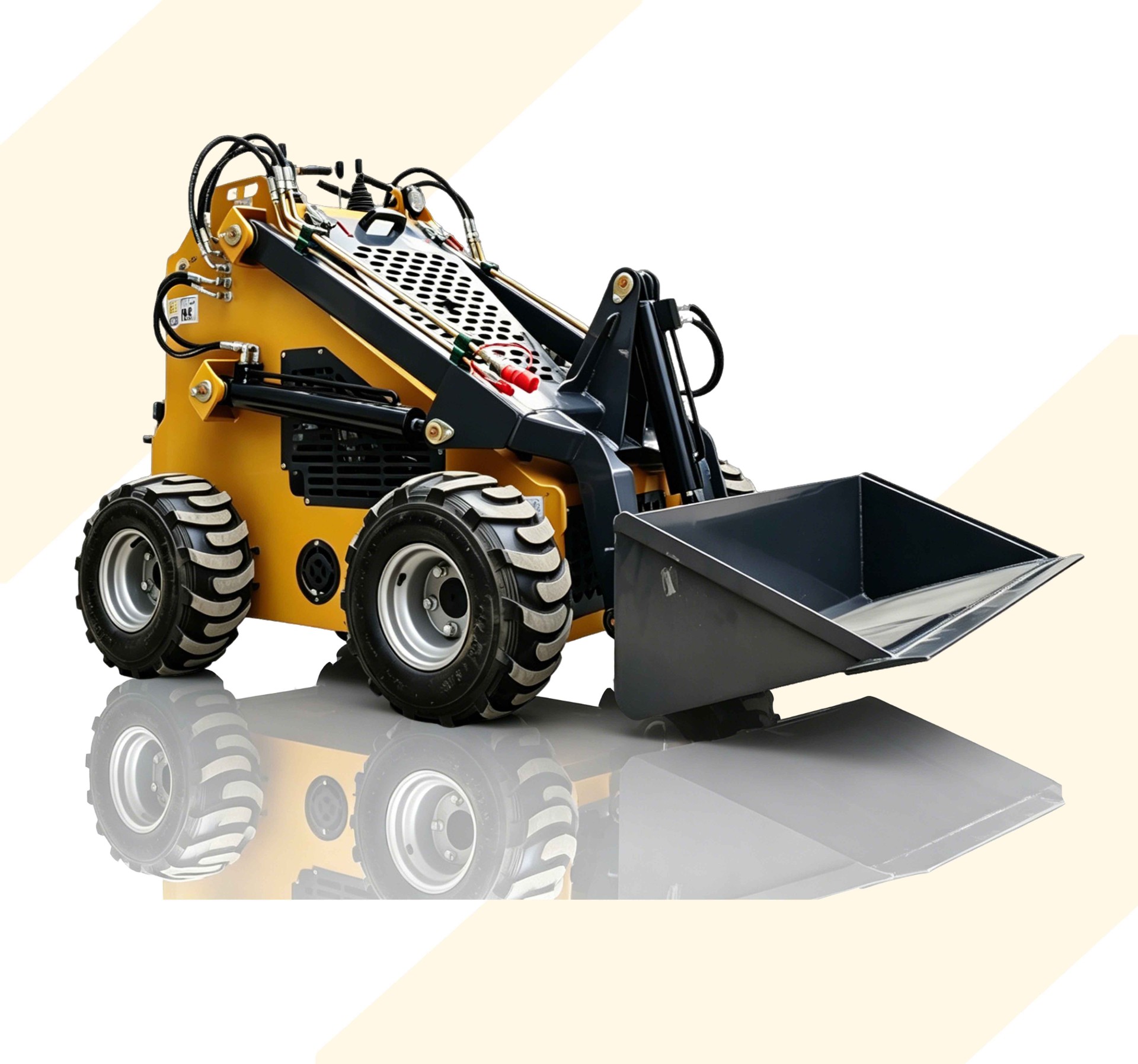
Many ordinary electric loaders are modified from fuel-powered models, with their frame structures following the design approach of fuel engines. The design benchmark is targeted at the load characteristics of internal combustion engines, without considering the impact amplification effect brought by the instantaneous high torque output of pure electric motors. When the bucket cuts into the material pile, the motor quickly outputs torque, and the huge impact force is transmitted to the articulation points of the boom and frame. Long-term cyclic operations are prone to rapid increase in pin shaft clearance, shaking at the articulation points, and fatigue cracking of the weld seam at the root of the boom.
In addition to the main structure, impact loads are transmitted to the hydraulic system. Frequent material shoveling impacts cause severe pressure fluctuations inside the hydraulic pipelines, and the joint positions continuously experience alternating pressure, making them prone to oil leakage. Under continuous impacts, bearings and bushings wear out faster, shortening the maintenance cycle. Many users have reported that after using the equipment for a period of time, the operating feel becomes loose, and the entire machine shakes significantly when shoveling material. Essentially, the problem lies in insufficient fatigue resistance design of the structural components, which cannot withstand daily repetitive impacts.
Many equipment manufacturers only consider static load-bearing parameters when selecting hardware. Just meeting static load standards does not mean that the equipment can withstand repeated dynamic impacts. Static load testing involves the equipment withstanding pressure in a static state; however, shoveling operations involve dynamic alternating loads, where the force direction changes constantly. This requires higher standards for material toughness, welding processes, and structural stress dispersion design. This is also the core reason why many equipment with impressive paper parameters have a high failure rate once put into use on construction sites.
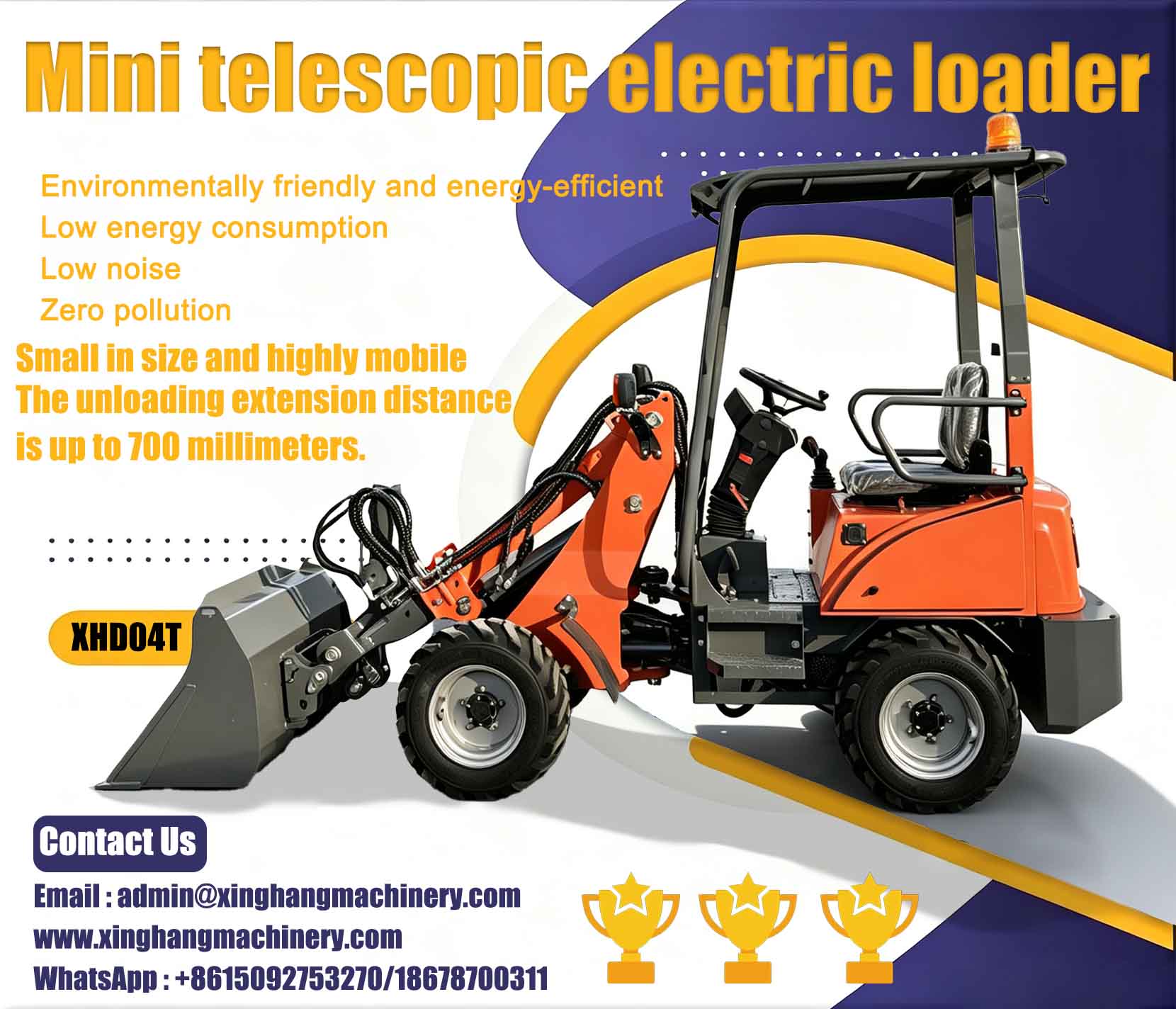
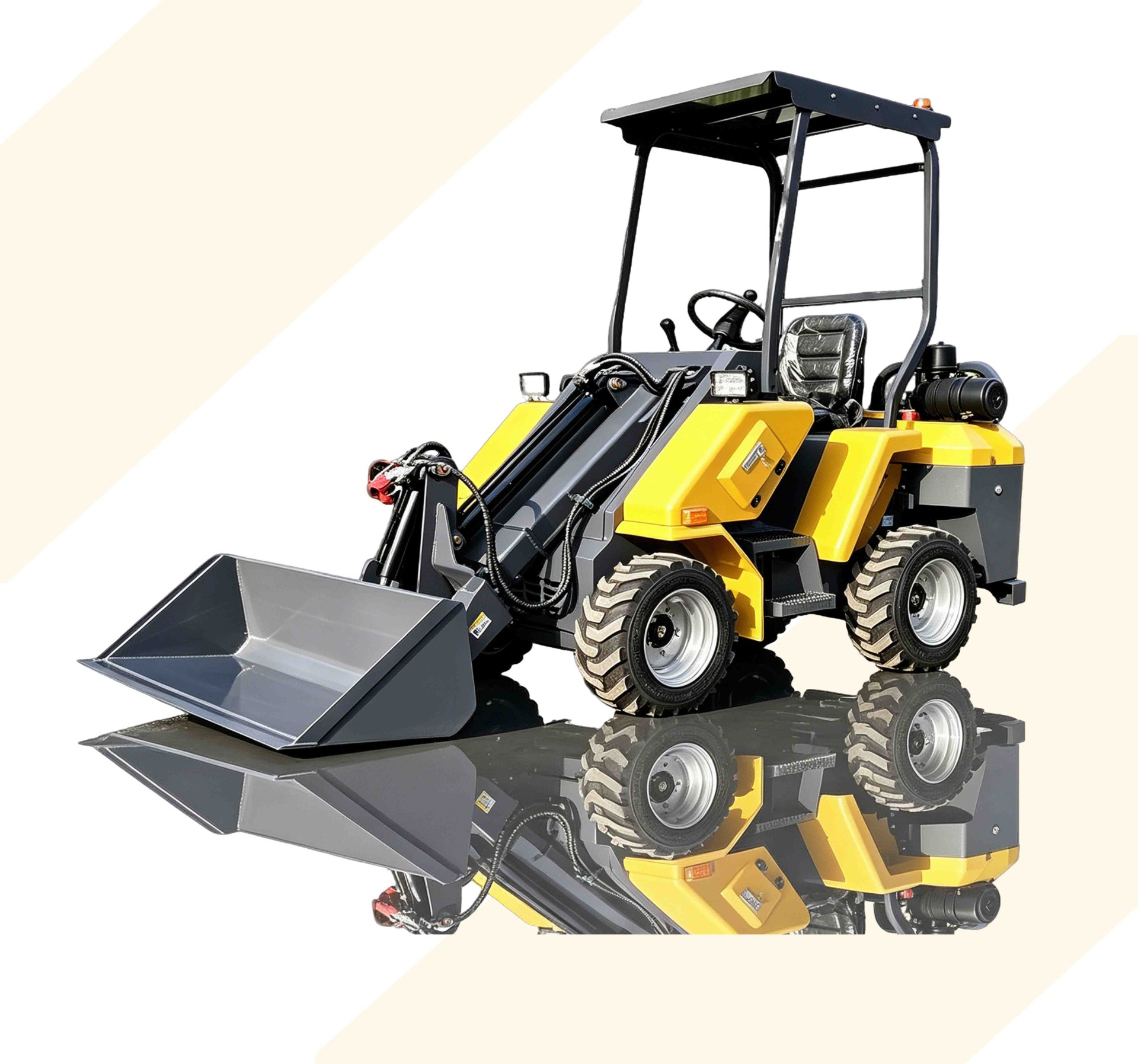
Jining Xinghang electric loader, structural optimization approach tailored for impact conditions
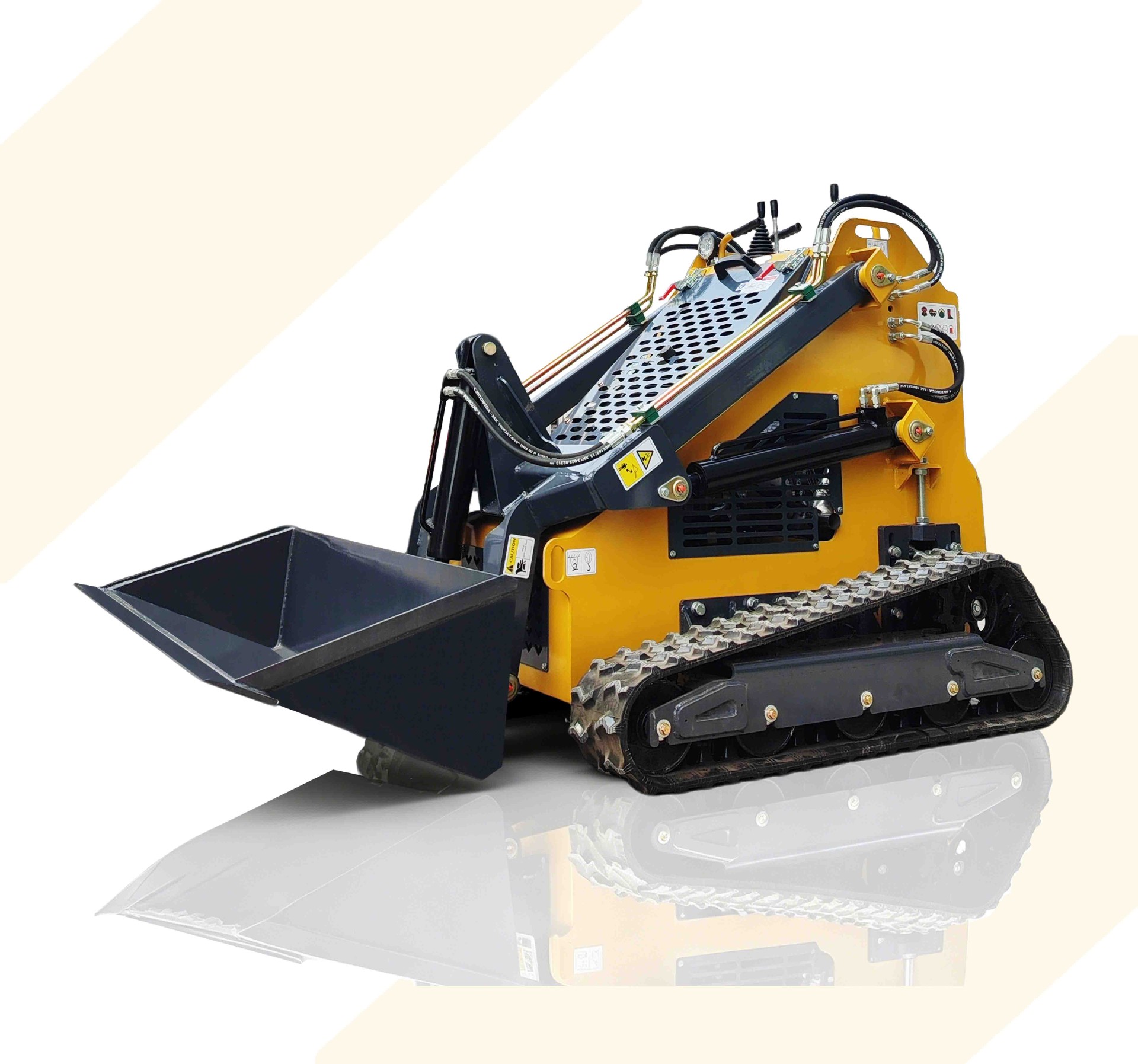
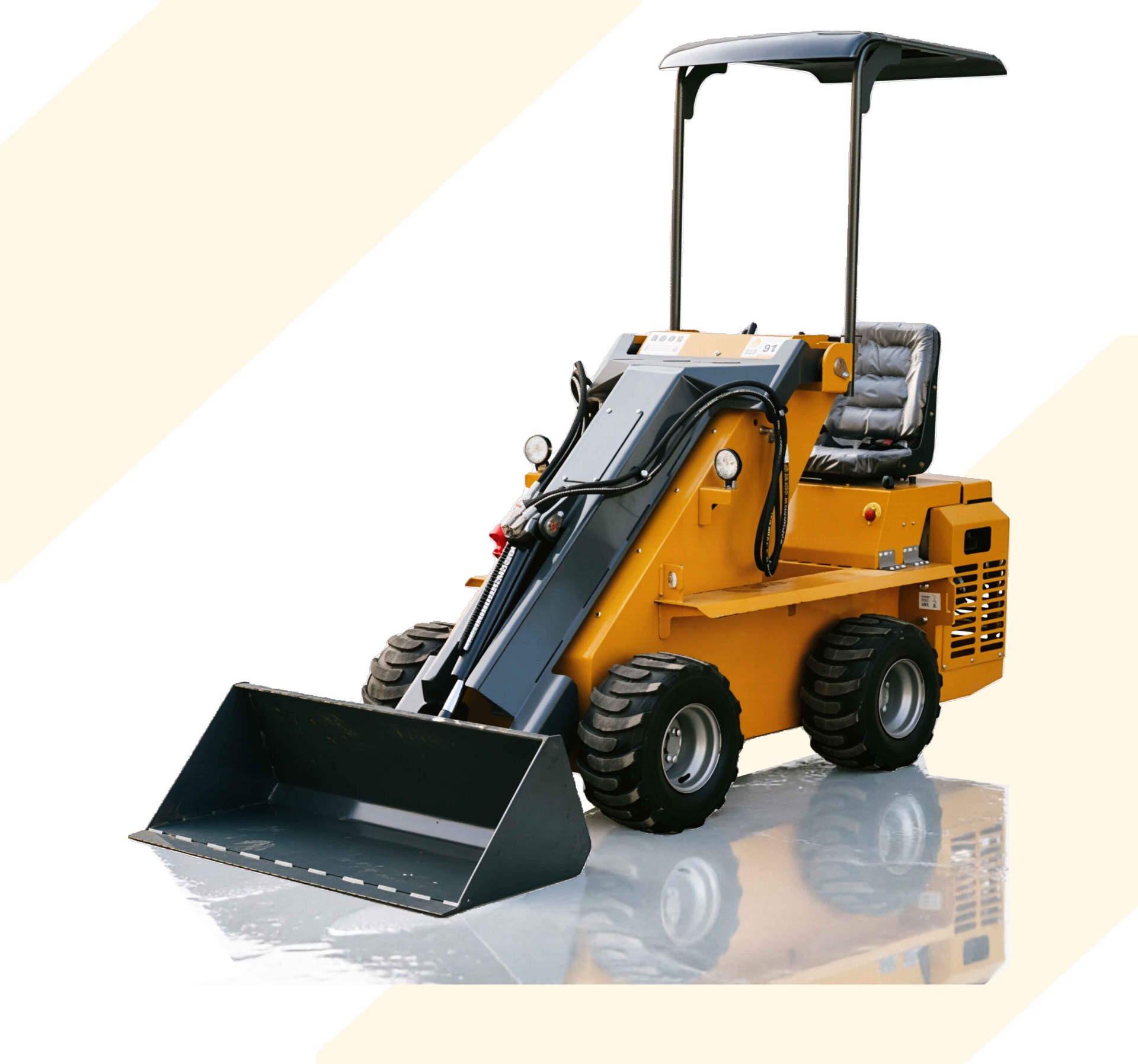
During the development phase of the original complete machine structure of Jining Xinghang electric loaders, a large amount of operational load data from sand and gravel, solid waste sorting scenarios was collected. Through multiple rounds of finite element simulation, the stress distribution of the complete machine under thousands of continuous shoveling impacts was restored. Structural reinforcement was carried out for stress concentration areas, and the plate layout of the frame, boom, and bucket support was optimized to distribute the concentrated stress over a larger area of the structure, avoiding long-term high-intensity impacts on local points and reducing the risk of fatigue cracking.
At the welding process level, key load-bearing components undergo multi-layer continuous welding, followed by stress relief treatment to eliminate the internal stress generated during the welding process. If residual stress remains inside the weld seam, under continuous impact, microcracks will continue to expand, eventually leading to fracture. The stress relief process can enhance the stability of the weld seam under alternating load conditions, thereby increasing the durability limit of core structural components such as booms and frames.
The hinge position is the core area for impact transmission in the entire machine. Jining Xinghang has enlarged the diameter of the hinge pin shaft, paired it with a thick wear-resistant bushing, and optimized the design of the lubrication channel. The pin shaft bushing bears repeated impact friction, and good lubrication can reduce the wear rate; at the same time, the structure reserves a reasonable buffer gap to absorb some of the impact from shoveling material, preventing the impact from being directly and rigidly transmitted to the main frame. As the bucket is the first part to contact the material, the blade of the bucket body is made of wear-resistant material and is thickened to withstand the impact wear from stone materials, reducing the rate of wear and deformation of the bucket body.
Under impact loading, electro-hydraulic synergy reduces the additional load on the structure
Structural durability cannot solely rely on thickening steel plates to resist impacts. Coordinated control of the electro-hydraulic system is equally crucial. When the bucket fiercely cuts into a hard material pile, the instantaneous resistance rises sharply, and the motor and hydraulic system will generate a huge reaction force. Jining Xinghang's electronic control system incorporates an impact buffering strategy. When the resistance to shoveling suddenly increases, the system intelligently adjusts torque and hydraulic pressure to prevent instantaneous peak loads from continuously impacting structural components. This control logic is equivalent to adding a layer of flexible protection to the overall machine structure, reducing unnecessary instantaneous overload and minimizing structural fatigue damage.
Long-term field value brought by durable design
The most intuitive benefit of improving the structural stability of equipment is the reduction in the frequency of downtime for maintenance. In a multi-shift continuous operation material yard, frequent maintenance of the boom and frame will directly interrupt production, resulting in downtime losses. A robust structural durability design can extend the equipment overhaul cycle and reduce maintenance costs for replacing bushings, pin shafts, and repairing welds.
At the same time, the entire machine maintains structural and positional stability during long-term operation, avoiding issues such as poor operating feel caused by loose articulation and deformed boom. Even after prolonged use, the shoveling and lifting actions remain stable, reducing material shaking and leakage. For leasing companies or those with their own material yards, the equipment's residual value is also improved. Many users only focus on power parameters when purchasing equipment, ignoring the structural fatigue resistance, only to discover shortcomings when the equipment is put into high-intensity impact conditions. Jining Xinghang electric loaders, from structural simulation, material technology to electronic control buffering, provide a comprehensive solution to handle repeated shoveling and loading impacts, adapting to high-intensity cyclic operation scenarios, and transforming the structural durability advantage into economic value for long-term operation.