 Chinese
 English
 Russian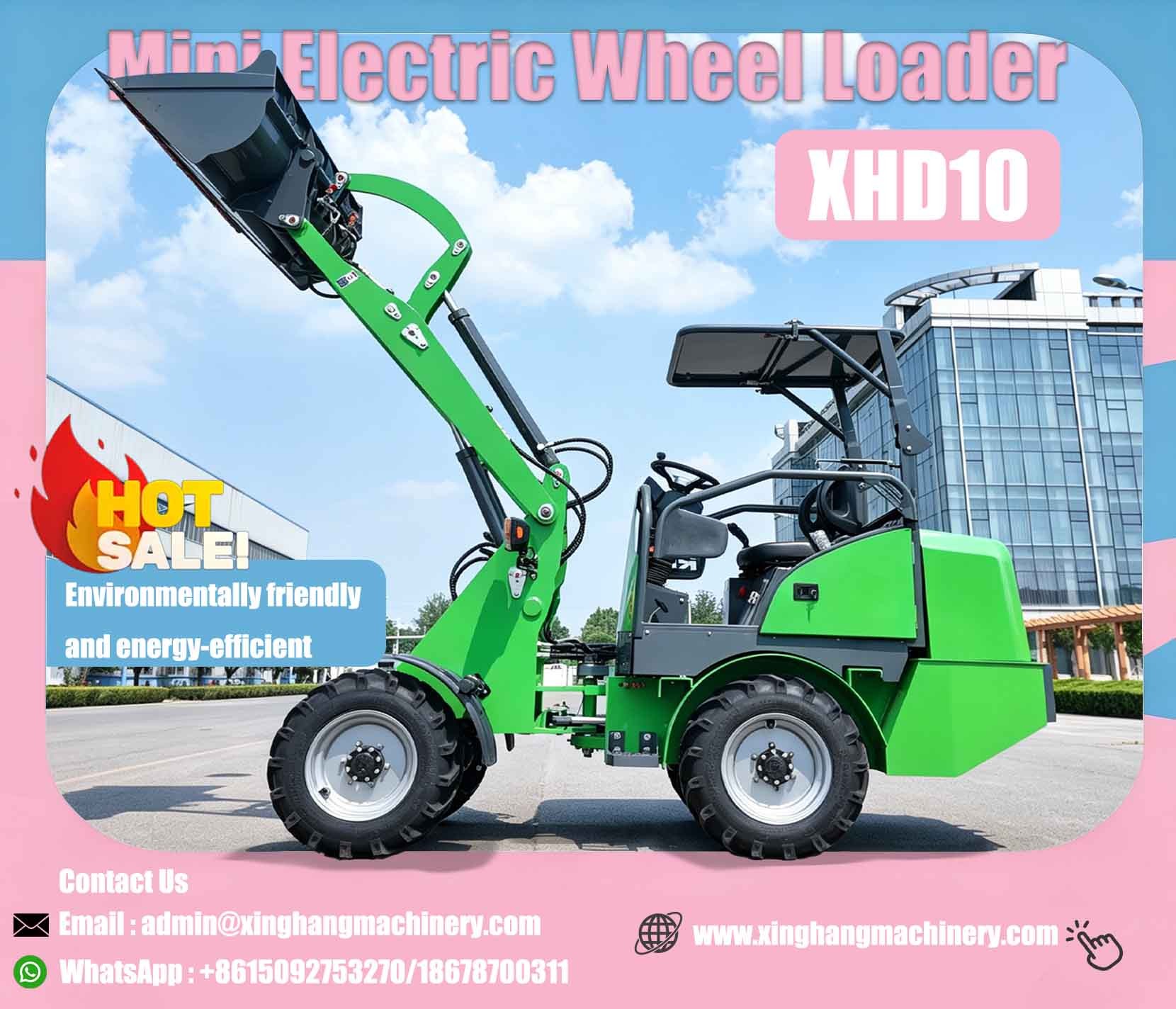
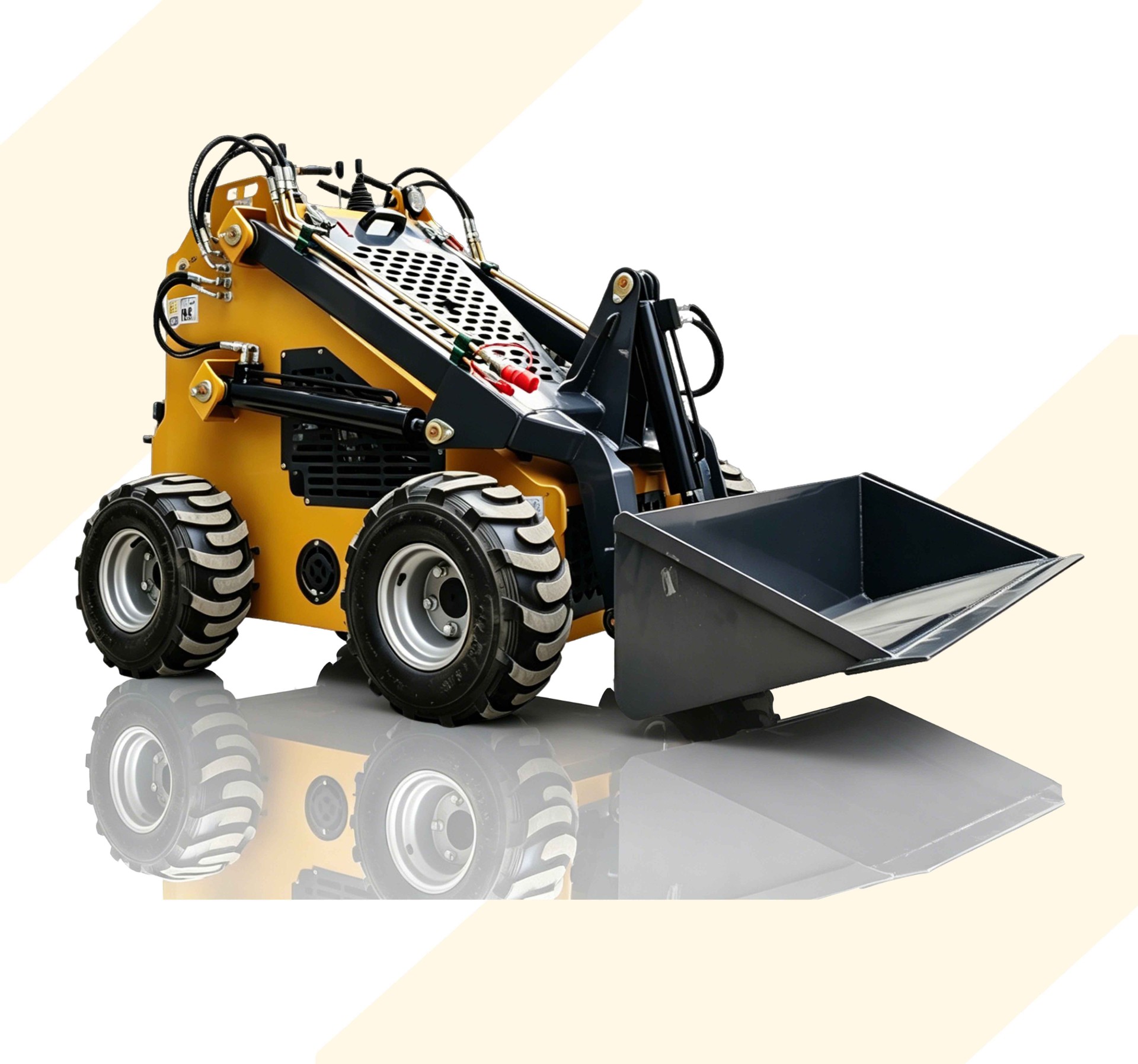
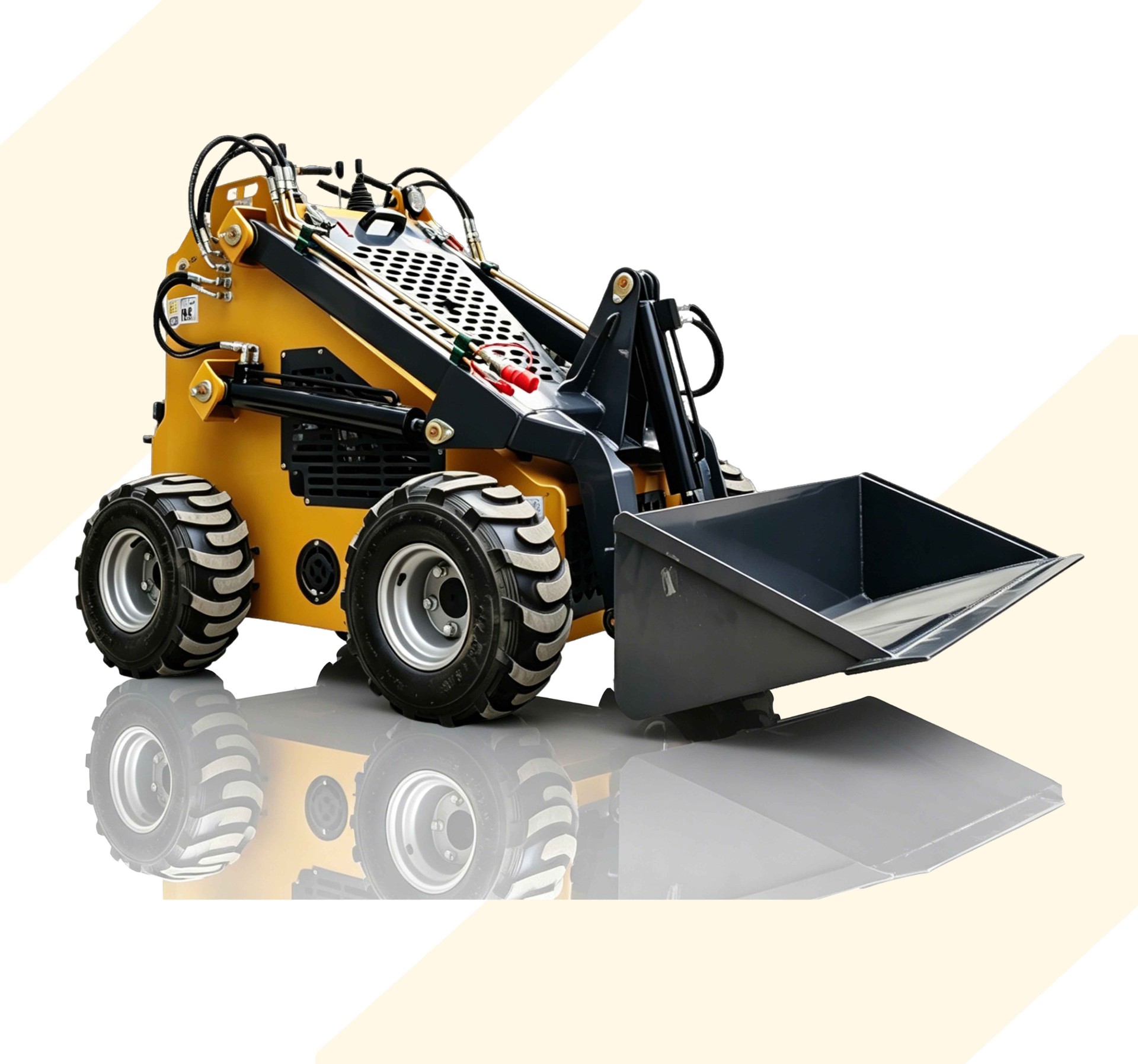
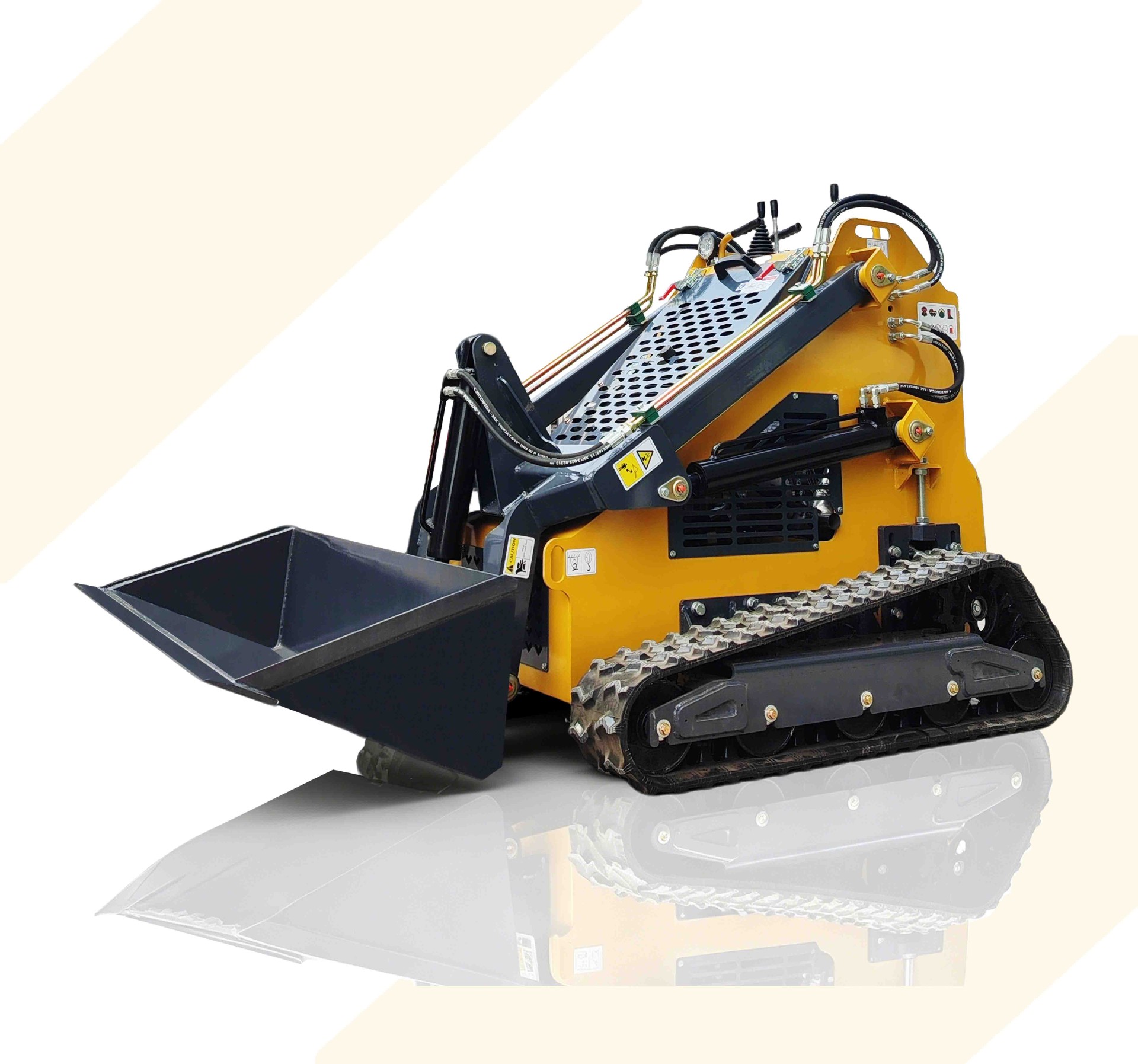
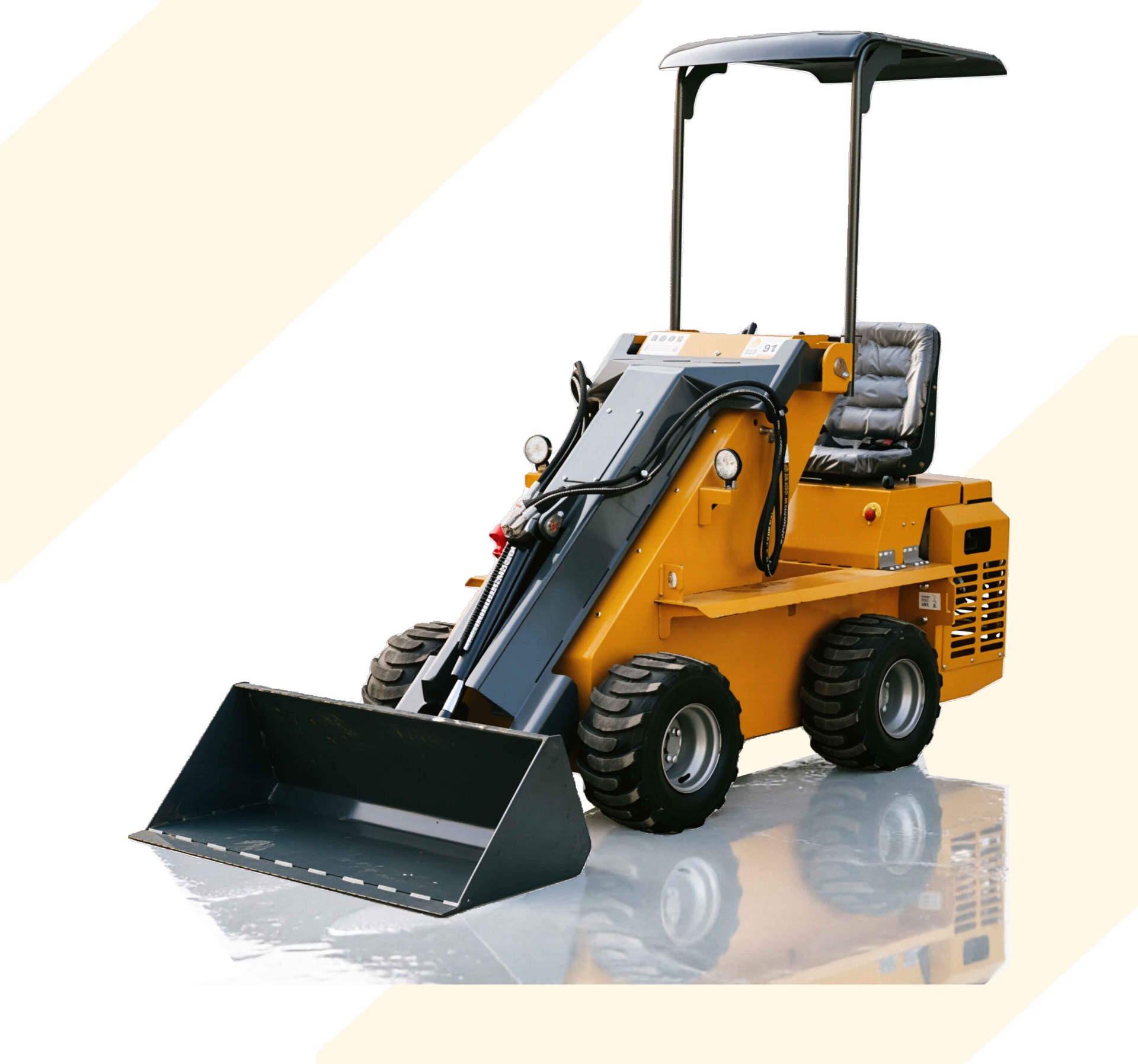
In a single operation site, small material yards, comprehensive renewable resource sorting centers, and multi-category raw material warehouses often need to handle materials with vastly different densities. Lightweight materials include wood chips, straw scraps, and expanded perlite, which have a small weight per unit volume, and the total load remains low even when the bucket is full. Heavy materials include crushed stone, slag, and wet clay, which can weigh several times as much as the light materials in the same bucket volume. Operators need to frequently switch between material types during the same day's operation, resulting in significant variations in bucket load. Conventional electric loaders have a fixed power output logic, which wastes electricity when shoveling light materials due to excess power, and lacks sufficient power supply when shoveling heavy materials, leading to weak shoveling performance. In the face of operational scenarios with large fluctuations in material density, equipment requires an electronic control scheme that can automatically adjust power output according to load changes. The Jining Xinghang electric loader is equipped with an adaptive power output system, which is suitable for alternating shoveling conditions of light and heavy materials.
The drawbacks of a fixed power output mode in scenarios with variable material loads
The traditional power strategy for electric loaders involves fixed gears, relying on the operator to manually switch power modes. When the material changes frequently, the driver needs to constantly assess the weight of the material and manually switch modes. If the driver forgets to switch, when shoveling heavy materials, the power gear may be set too low, resulting in weak shoveling force and requiring multiple attempts to shovel the material, thus reducing efficiency. If the gear is kept at a high level for continuous operation, when shoveling lightweight materials, the motor will continuously output high power, leading to significant waste of electric energy and shortening the operation time per charge.
The fixed power scheme cannot sense the real-time changes in bucket load. During the process of cutting into the material pile, the resistance changes dynamically. When the bucket first contacts the material, the resistance is low, and as it continues to penetrate deeper into the pile, the resistance continues to increase. With a fixed torque output, either all torque is released at the beginning, resulting in unnecessary impact, or the torque remains low throughout the entire process, making it impossible to shovel deep into the material pile.
Load variations also affect the matching of the hydraulic system. When the bucket is heavily loaded, a higher hydraulic pressure is required to complete the lifting and retracting of the bucket; when the load is light, the required hydraulic pressure is lower. The power output and hydraulic system are not interconnected, resulting in excessive hydraulic pressure when lifting light materials, leading to energy waste, and insufficient pressure when lifting heavy materials, causing slow movements. Long-term use under conditions of frequent load fluctuations, with a fixed power strategy, not only results in suboptimal energy consumption but also continuously imposes unnecessary shocks, accelerating the wear and tear of structural components and electronic components.
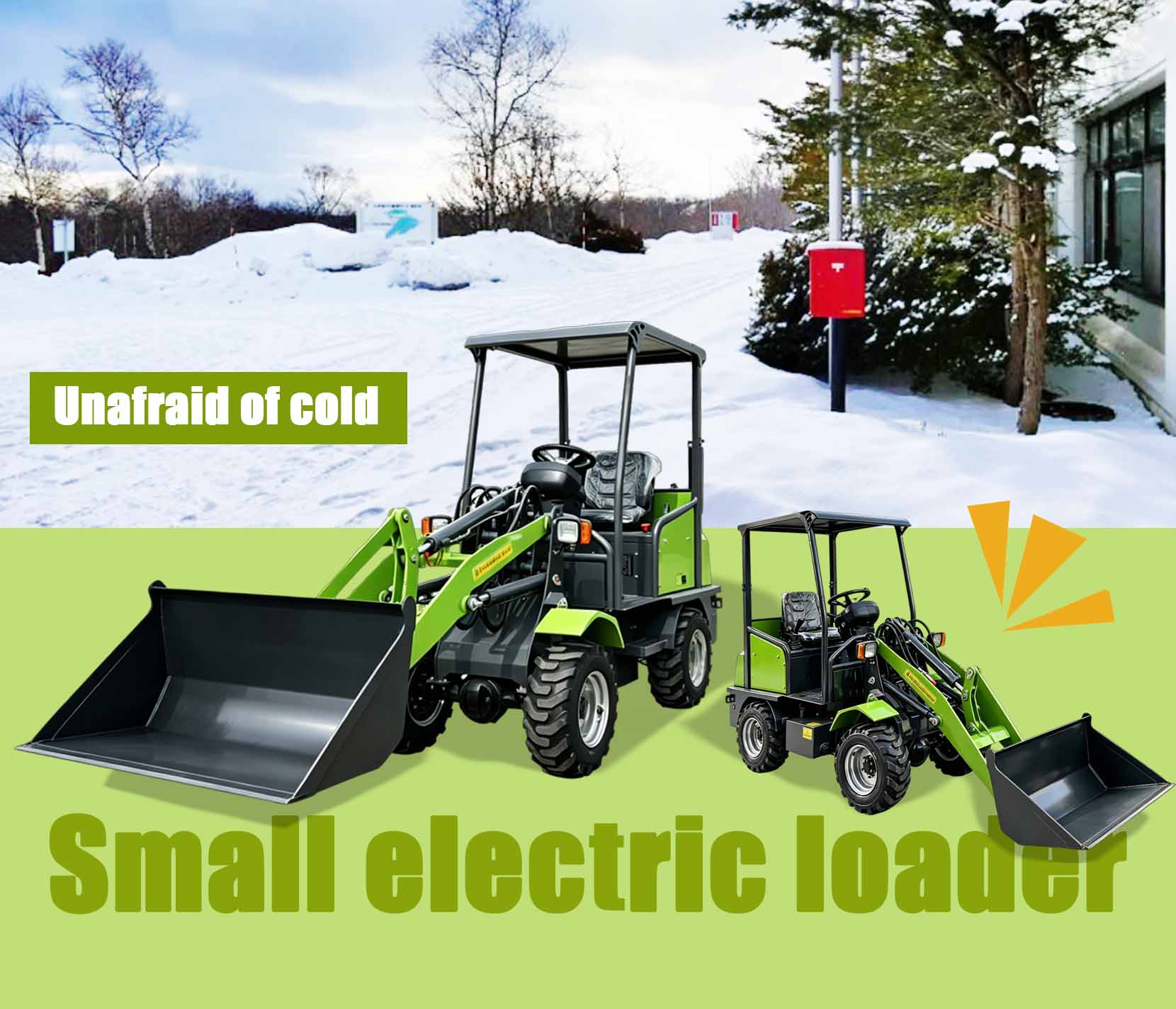
Working principle of Jining Xinghang adaptive power output system
The adaptive power output system of Jining Xinghang electric loader relies on real-time data collection from multiple sensors on the entire machine, including parameters such as shoveling resistance, hydraulic pressure, motor current, and boom lifting load. It can determine the current bucket material load in real time, dynamically adjust the motor torque output range and hydraulic system working pressure, and eliminate the need for operators to manually switch gears.
When shoveling light materials such as wood chips and straw, the system recognizes a low load and automatically adjusts the upper limit of the motor output torque downwards, reducing the working pressure of the hydraulic system. The power output just meets the shoveling and lifting requirements, without continuously outputting excess power, thus reducing electric energy consumption and improving endurance; at the same time, it reduces unnecessary impact and protects structural components.
When shoveling high-density heavy materials such as gravel and wet clay, the system detects an increase in shoveling resistance and automatically increases the torque output limit, releasing sufficient shoveling power to ensure the bucket cuts smoothly into the material pile and completes heavy lifting. During the shoveling process, resistance changes in real time, and power increases or decreases smoothly following the resistance, rather than instantly bursting out with peak torque. While ensuring shoveling force, it also suppresses severe impact loads.
In the scenario of shoveling and lifting combined actions, the system intelligently distributes power to simultaneously meet the needs of both walking and hydraulic lifting. During heavy-load lifting, priority is given to ensuring the power supply of the hydraulic system; when transitioning from light materials to walking, power is tilted towards the walking system. The entire dynamic allocation logic is designed to accommodate alternating operations with light and heavy materials, eliminating the need for frequent manual mode adjustments.
The benefits of adaptive power systems in terms of component protection and energy consumption
This adaptive power strategy, besides enhancing task adaptability, can also reduce component impact wear. When operating at a fixed high gear, each shoveling action releases maximum torque, with impact loads repeatedly acting on the articulation, boom, and three-electric system. The adaptive system only increases torque when high power is required, maintaining a reasonable power level in other working conditions, reducing the frequency of instantaneous impacts, and delaying component wear and aging.
The energy consumption benefits are equally significant. In sites where light and heavy materials are alternately handled, the continuous high-power consumption of light materials can be avoided, effectively reducing the power consumption per unit of shoveling volume, extending the operation time of a single charge, and reducing the frequency of charging. For sites with multiple shifts of continuous operations, the improved battery life directly reduces production interruptions caused by downtime for battery recharging. Operators also do not have to constantly adjust the power gear based on material weight, reducing operational burden and allowing them to focus on shoveling operations.
Key points for selection based on variable material conditions
Many factory areas have a wide variety of materials, with heavy and light materials being used interchangeably. When purchasing equipment, it is easy to overlook the load self-adaptive capability and only focus on the maximum excavation force parameter. The maximum excavation force can only represent the equipment's ultimate capability. In daily scenarios where materials change frequently, the self-adaptive power adjustment capability has a greater impact on operational efficiency, energy consumption, and component lifespan.
The adaptive power output system of Jining Xinghang electric loader can recognize the load status of the bucket in real time, dynamically adjust the power supply, and adapt to the alternating shoveling and loading scenarios of materials with significant differences in weight, such as sawdust, organic fertilizer, sand and gravel, and slag. It takes into account the shoveling capacity, energy consumption control, and overall component protection, meeting the operational needs of multi-category material handling sites.