 Chinese
 English
 Russian
I. The root cause of slow action of the cryogenic chiller: change in hydraulic oil viscosity
Hydraulic oil is the medium for power transmission in hydraulic systems, and its viscosity is directly affected by temperature. When the ambient temperature is low, the fluidity of hydraulic oil molecules decreases, and the viscosity increases sharply. In the cold state, the viscous hydraulic oil significantly increases the flow resistance inside pipelines and valve groups, making it more difficult for pumps to deliver oil, resulting in insufficient flow into the cylinder. This directly manifests as slow and weak responses in the movements of the boom and bucket after operating the joystick. Fuel loaders rely on the engine idling to drive the hydraulic pump to circulate oil, and rely on friction to generate heat to increase oil temperature, requiring long periods of idling waiting. If electric loaders continue to use this preheating method, the motor continuously drives the hydraulic pump to circulate oil under no-load conditions, continuously consuming battery power. At low temperatures, the available capacity of the battery decreases, and consuming a large amount of power for preheating will further reduce the effective operation time. In addition, low-temperature, high-viscosity oil increases wear on hydraulic pumps and valve groups. The lubrication performance of viscous oil decreases, and the oil film is established slowly at startup, increasing the risk of wear on the valve core and pump body friction pairs during the cold start phase. If the oil circuit design is not reasonable, the pressure loss in the pipeline at low temperatures will increase, the system pressure will build up slowly, and the problem of compound action stalling will become more prominent.
II. Selection and basic configuration of hydraulic medium suitable for low temperature conditions
During the hydraulic system design phase, Jining Xinghang gives priority to the use of specialized anti-wear hydraulic oil with excellent low-temperature performance. This oil has a lower pour point at low temperatures and a smaller increase in viscosity in cold environments, offering better low-temperature fluidity compared to ordinary hydraulic oil and reducing the flow resistance during cold start-up. Additionally, within the hydraulic system, oil circuit filtration protection is enhanced. Low-temperature viscous oil is more prone to entrapping impurities, and high-precision filters intercept these impurities in the oil, protecting the hydraulic valve core and pump body. In terms of hydraulic pipeline selection, the internal diameter of the pipeline is reasonably planned to reduce the flow resistance of the oil without increasing excessive volume. Unnecessary right-angle elbows are reduced in pipeline joints, as they increase the pressure loss of the oil. The resistance issue under low temperature and high viscosity conditions is magnified. The pipeline layout is optimized, the length of the main oil pipeline is shortened, the oil delivery distance is reduced, and the pressure loss in the pipeline under low temperature conditions is minimized.
III. Hydraulic oil preheating scheme to reduce power consumption due to ineffective idling
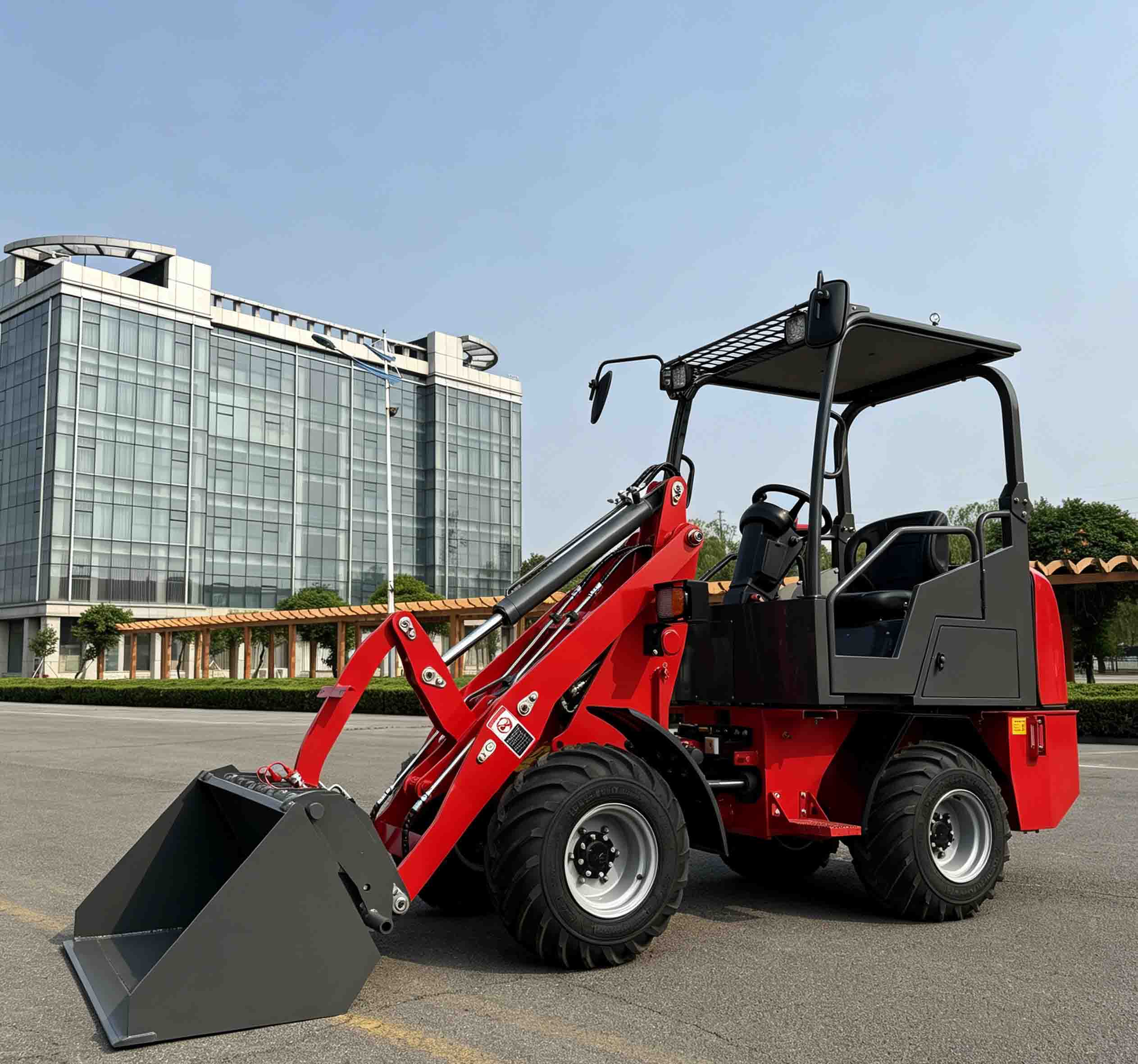
Unlike traditional continuous idling preheating, Jining Xinghang's electric loaders adopt a controllable hydraulic preheating logic. After the cold machine is turned on, the system detects the hydraulic oil temperature. When the oil temperature is below the working range, it initiates a low-power circulation preheating mode, driving the hydraulic pump at a lower speed to allow the oil to circulate and generate heat inside the hydraulic circuit, without continuously idling at full speed, significantly reducing electric energy consumption during the preheating stage. During the preheating process, the electronic control limits the output pressure of the hydraulic system and does not allow heavy-load shoveling operations, protecting the hydraulic components. At the same time, the cab prompts the operator about the oil temperature status, reminding them to wait for the preheating to complete. When the oil temperature reaches the set threshold, the system automatically removes the restrictions, the hydraulic system resumes full-power output, and the operator can perform normal shoveling operations. The entire preheating process runs automatically, without manual operation, shortening waiting time and reducing electric energy consumption during the preheating stage.
IV. Electro-hydraulic collaborative calibration optimization under low temperature conditions
In addition to the hydraulic circuit hardware, the electronic control calibration undergoes special optimization for low-temperature operating conditions. At low temperatures, the compressibility of the oil and the response characteristics of the valves change. The system adjusts the electro-hydraulic control parameters to compensate for flow losses. During the cold engine phase, the system compensates for the signals from the joystick to improve the response lag of the joystick and alleviate the subjective feeling of sluggishness. At the same time, low-temperature overload protection logic is added. When the engine oil temperature is low and the oil resistance is high, the system monitors the load on the hydraulic pump. When the load exceeds a threshold, the output power is limited to prevent overload damage to the hydraulic pump under high-resistance conditions during cold start-up. As the oil temperature gradually increases, the system dynamically adjusts the control parameters to adapt to changes in oil viscosity, ensuring a smooth transition in the feel of operation from cold engine start-up to normal operating temperature, without sudden changes in operation speed.
V. Key points for daily operation and maintenance to maintain the performance of the low-temperature oil circuit
The low-temperature performance of the hydraulic system also relies on daily maintenance. When operating in a low-temperature environment, it is necessary to select hydraulic oil suitable for low temperatures according to requirements, and it is not allowed to mix ordinary high-viscosity hydraulic oil; regularly replace the hydraulic oil and filter elements, as aging and deterioration of the oil will degrade its low-temperature fluidity. After stopping the equipment in winter, try to avoid leaving it exposed for long periods to reduce the overall temperature drop of the hydraulic system. During each maintenance check, inspect the hydraulic pipeline seals. In low-temperature environments, rubber seals may lose their elasticity, making them prone to leakage. Once oil leaks, not only is hydraulic oil lost, but air is also introduced, exacerbating the instability of operations under low-temperature conditions. If seals are found to be aging, replace them promptly to ensure the tightness of the hydraulic system.
Conclusion
The sluggish action of hydraulic chillers is a common pain point for construction machinery in low-temperature environments. Electric loaders cannot simply adopt the idle preheating approach of fuel-powered machines, as this would result in significant waste of electric energy. Jining Xinghang electric loaders address the issue from multiple dimensions, including the selection of low-temperature hydraulic oil, optimization of oil circuit layout, controllable low-power preheating strategy, and low-temperature electro-hydraulic calibration. These measures shorten the waiting time for chiller preheating, reduce the power consumption during preheating, and improve the sluggish start-up issue in low temperatures. At the same time, they reduce the wear risk of hydraulic pumps and valve groups during the cold start phase. In autumn and winter factory operations in low-temperature environments, equipment can be put into shoveling operations more quickly after startup, reducing waiting time, saving electric energy, and improving operational efficiency under low-temperature conditions.