 Chinese
 English
 Russian
I、 The essential difference between rated power and peak power, and common misconceptions in user selection
The rated power of a motor refers to the power that the motor can continuously output for a long time at a specified ambient temperature, and the temperature rise will not exceed the allowable limit. The motor operates continuously under rated power conditions, with winding temperature maintained within a safe range and controllable insulation aging rate, allowing for long-term stable operation. Peak power is the maximum power that a motor can output in a short period of time, with strict time limits that can generally only be maintained for a few seconds. It is used to cope with sudden impact loads during excavation and does not support long-term continuous output.
Batteries also distinguish between rated continuous discharge power and peak discharge power. The rated continuous power of the battery represents the power that can be discharged stably for a long time; Peak discharge power, short pulse discharge capability. The rated power of the whole machine refers to the power that can be stably output for a long time after matching the battery, motor, and electronic control, limited by the weakest rated component in the system. If the peak power of the motor is high but the rated power is too low, and the motor operates continuously for a long time, the temperature rise of the motor will exceed the standard, and the electronic control will limit the power output, resulting in continuous operation power attenuation.
Many users fall into the trap of parameter selection, only comparing the peak power size, thinking that the higher the peak, the better the device. In short-term and intermittent work scenarios, the difference in peak parameters is noticeable; But with multiple shifts of continuous shoveling and loading in the factory area, the equipment will work continuously for a long time, and the shortcomings of insufficient rated power will be completely exposed. After continuous operation for a period of time, the temperature of the motor and battery rises, the equipment enters a power limit state, the digging force decreases, and the operation efficiency decreases. Some manufacturers deliberately exaggerate peak parameter promotion and weaken rated power indicators, causing users to misjudge.
The calibration logic of a fuel loader is different from that of an electric motor type. The rated power of the engine is the continuous working power, and the short-term overload capacity is limited. Users are accustomed to selecting based on the rated power; When switching to an electric loader, it is easy to confuse the concepts of peak value and rated value, which is a high-frequency step in the selection process.

II、 Design concept of rated power matching for Jining Xinghang
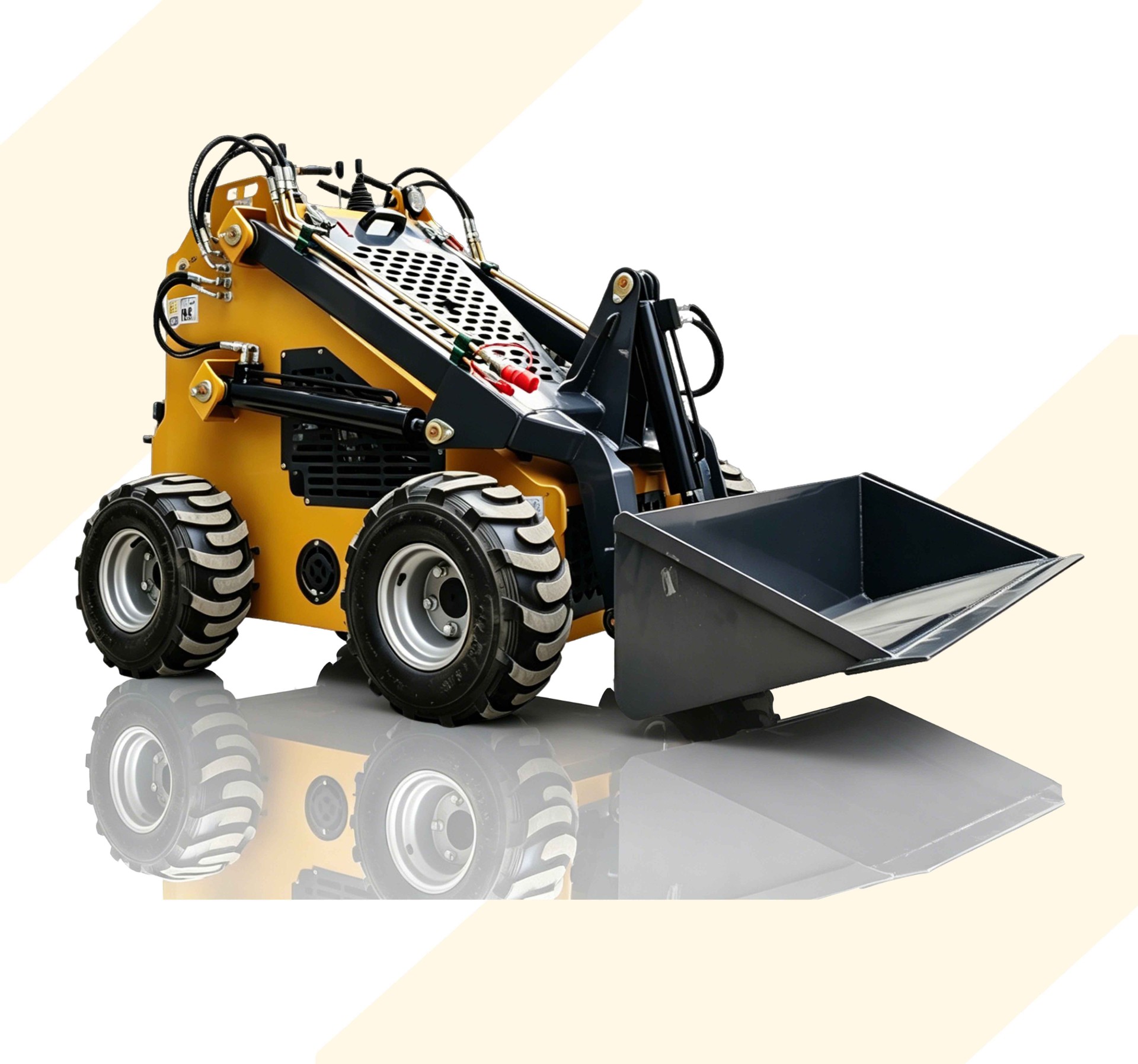
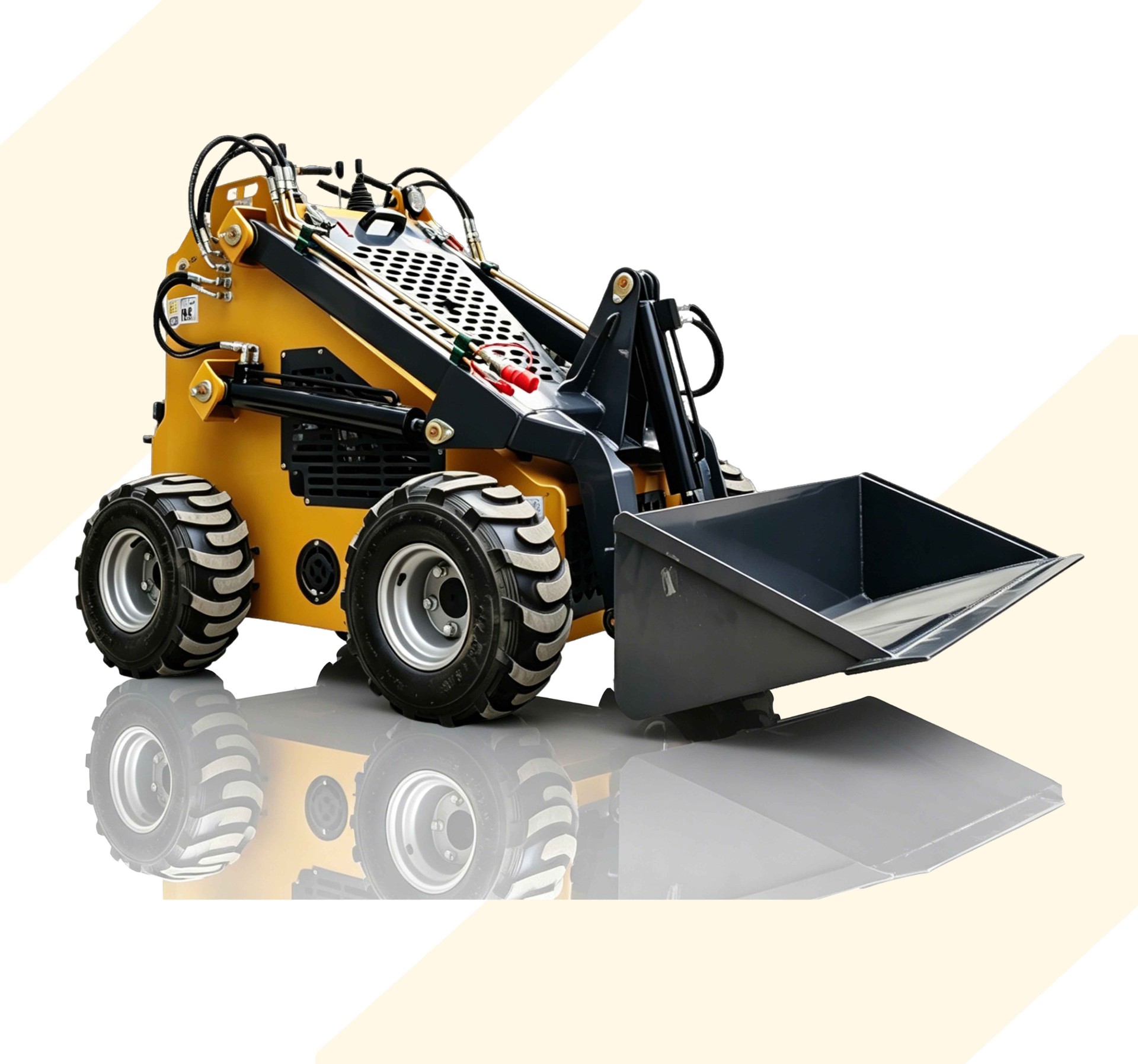
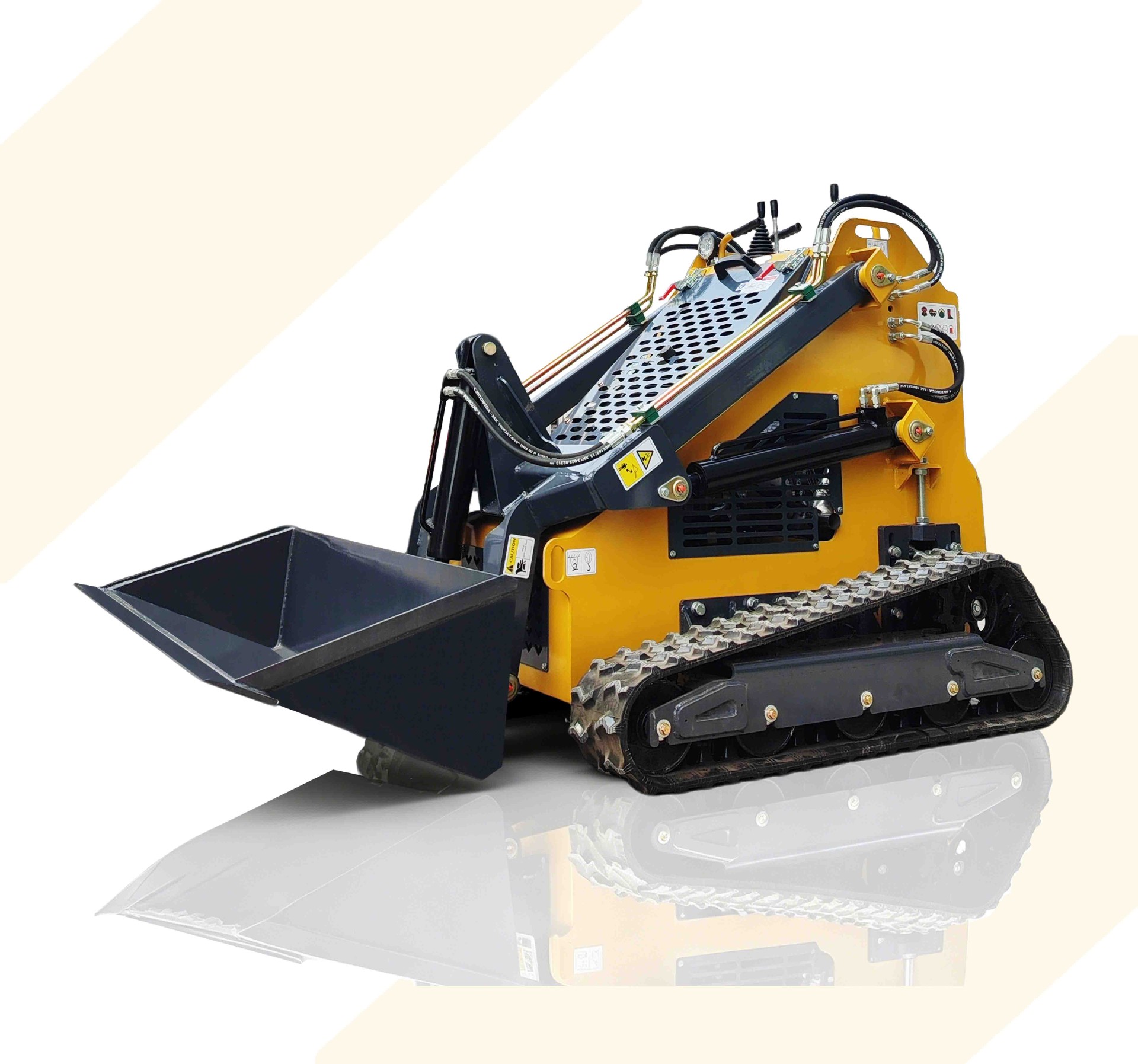
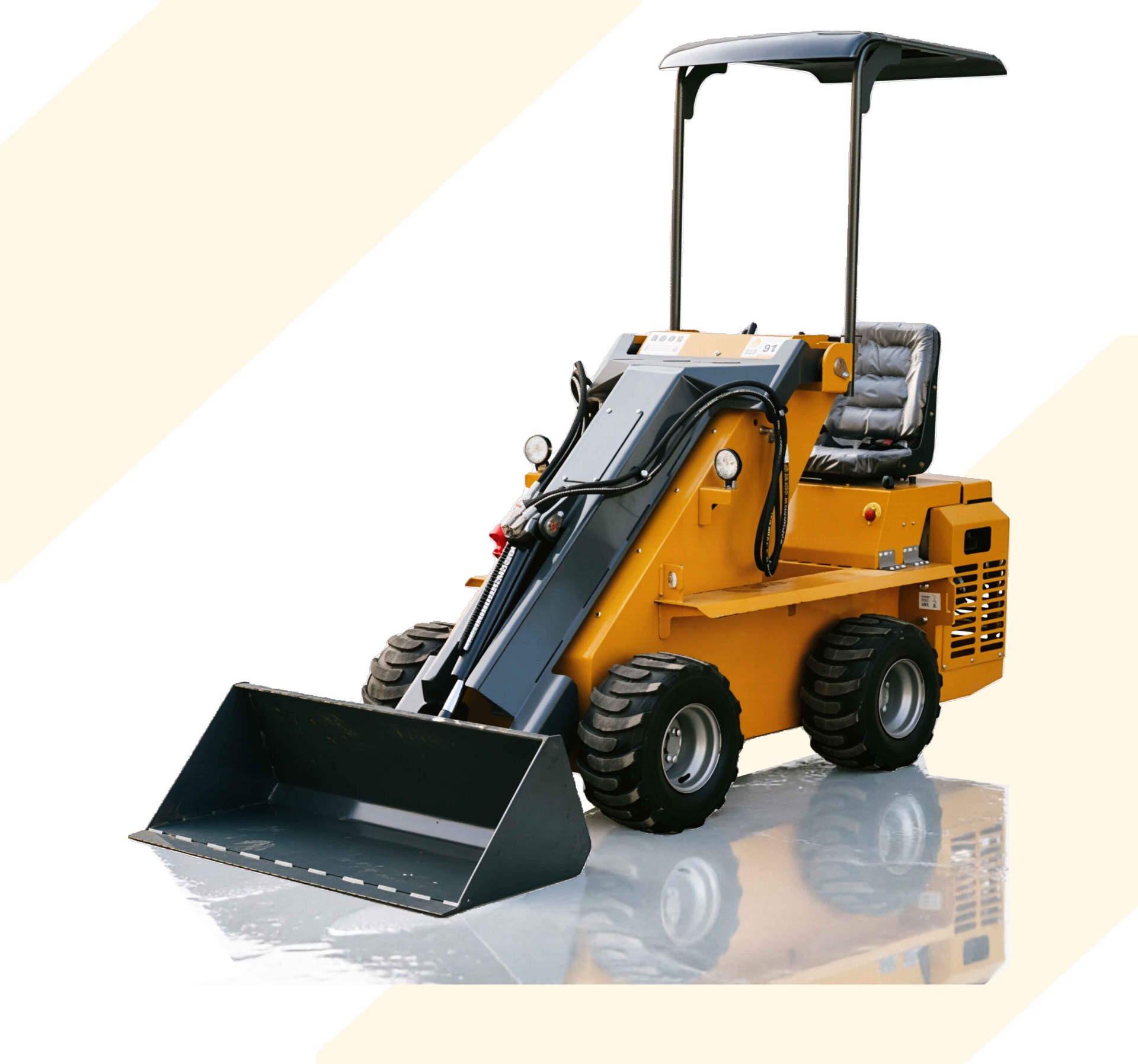
At the beginning of the overall design of the Jining Xinghang electric loader, based on the continuous operation load spectrum of the real material yard, the average power demand for long-term shovel loading operations was calculated as the basis for matching the rated power. The R&D team collects a large amount of continuous operation data from multiple shifts, distinguishes between instantaneous peak load and average continuous load, and determines the rated power index of the entire machine. Ensure that the equipment operates continuously during shoveling and loading operations, with the overall working power not exceeding the rated power range. The motor, battery, and electronic control can run for a long time, and the temperature rise is controlled within a safe range without triggering continuous power reduction.
The rated power of the whole machine is not a single component indicator, it requires the rated capacity of the motor, battery, and electronic control to match each other. The rated output power of the motor, rated continuous discharge power of the battery, and rated current carrying capacity of the electronic control are designed together, and there is no shortage in the rated capacity of any component. If the rated power of the motor is sufficient, but the continuous discharge ability of the battery is weak, the rated power of the whole machine is still limited by the battery. Jining Xinghang insists on balanced matching of the rated capacity of the three electrical systems to avoid the occurrence of "wooden barrel shortcomings".
Peak power is used as a supplement to reserve short-term peak capacity on the basis of rated power, to meet the short-term impact load of the bucket cutting into the material pile. The rated guarantee ensures long-term continuous work without attenuation, and the peak guarantee instantly excavates explosive power. Both sets of indicators perform their respective duties. The VCU control logic of the entire machine distinguishes between continuous load and instantaneous impact load. Continuous load with rated power as the upper limit; Instantaneous impact load can temporarily call peak power, while timing limits the duration of peak to prevent component overheating caused by prolonged peak operation.
The strength of structural components is also checked according to the rated continuous load, and a strength reserve is made for peak impact. Ensure stable and reliable transmission and hinge structures of the equipment during continuous output operation at rated power.
III、 Verification of rated continuous output capability under multiple consecutive operating conditions
After the scheme is finalized, continuous load testing will be carried out on the test bench, and the equipment will maintain rated power operation for a long time. The temperature of the motor winding, battery, and electronic control components will be continuously monitored to confirm that the temperature rise is stable within the design range and will not continue to rise. Afterwards, enter the factory material yard to carry out multiple consecutive real vehicle verifications, simulate uninterrupted shoveling and loading operations throughout the day, and record changes in the overall power output of the machine.
Compare the power curves of models with sufficient rated power and models with insufficient rated power reserve during the continuous operation process of the prototype. Prototype with insufficient rated power reserve, after a period of operation, the temperature rises and the power continues to decrease; The Jining Xinghang prototype maintains stable power output during long-term operation, without the phenomenon of getting weaker and weaker as it continues to work. The calibration process optimizes the heat dissipation system to match the rated power operating range, ensuring that the continuous operation heat can be dissipated in a timely manner and maintaining component temperature stability.
IV、 The actual value and selection suggestions of rated power indicators for users
The core value corresponding to rated power is stable power for multiple shifts of continuous operation. For users in the factory area who require uninterrupted shoveling and loading operations throughout the day, the continuous output capacity of the equipment directly determines the total daily output. Equipment with sufficient rated power will not experience a continuous decrease in power due to temperature rise during continuous operation, ensuring stable efficiency throughout the day. On the contrary, equipment with good peak values but insufficient ratings has strong power in the early stages of operation, but after a period of operation, the power decreases and production efficiency gradually decreases.
When choosing an electric loader, users should not only focus on peak parameters, but also pay attention to the rated power of the entire machine, the rated power of the motor, and the continuous discharge power of the battery. Based on one's own operating conditions, it can be determined that for intermittent operations and short single operation times, the rated requirements can be appropriately relaxed; Multiple shifts for long periods of continuous shoveling and loading, priority should be given to selecting models with sufficient rated power reserves.
At the same time, it is necessary to understand the boundary of rated power. Rated power is the continuous output indicator under standard operating conditions at room temperature. When operating in extreme high temperature environments, the equipment's heat dissipation conditions may deteriorate, and the electronic control will moderately limit the continuous power, which is a protective mechanism. After the aging of the equipment, the continuous discharge capacity of the battery decreases, and the rated continuous output capacity of the whole machine will slightly decline, which is a normal aging characteristic.
Conclusion
The peak power of an electric loader represents instantaneous explosive force, while the rated power is the hard power for stable output during long-term continuous operation. Many products have impressive peak parameter promotions, but their rated power reserves are insufficient. After multiple consecutive shifts of operation, the temperature rise of components exceeds the standard, and the power continues to decrease, resulting in a gradual decline in operating power. The Jining Xinghang electric loader is based on a real continuous loading load spectrum, balanced matching of the rated capacity of the motor, battery, and electronic control system. While ensuring short-term peak excavation explosive power, it relies on sufficient rated power reserves to achieve long-term stable power output, continuous operation power does not decay, and is suitable for multi shift uninterrupted loading operation scenarios in the factory area. Users should choose electric loaders, break away from the misconception of single peak parameters, and pay attention to rated power indicators in order to select equipment that is suitable for continuous operation conditions.